Your digging level
Description
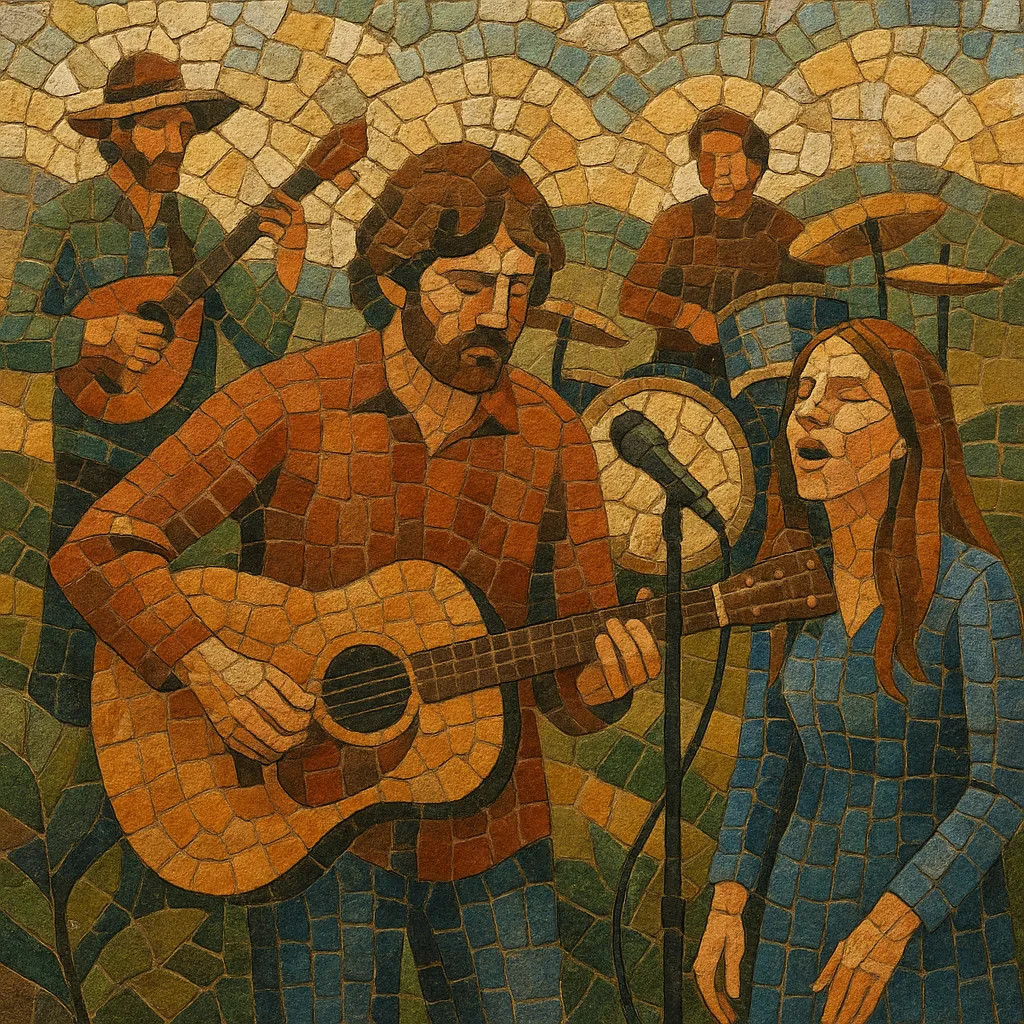
Folk rock is a fusion genre that blends the narrative lyricism, modal melodies, and acoustic timbres of traditional folk with the backbeat, amplification, and song structures of rock.
It typically pairs acoustic or traditional instruments (acoustic guitar, mandolin, fiddle) with a rock rhythm section (electric guitar, bass, drums), often featuring chiming 12‑string guitar textures, close vocal harmonies, and socially conscious or storytelling lyrics. The result ranges from intimate, reflective ballads with a steady backbeat to more anthemic, roots‑driven rock.
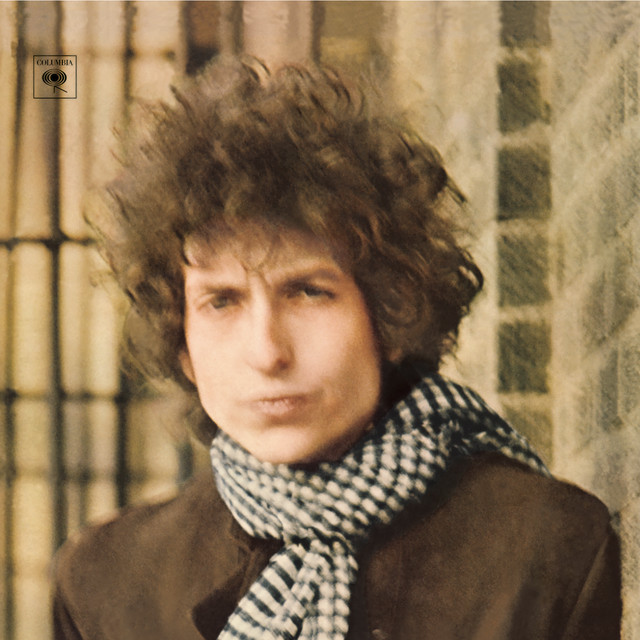
Emerging in the mid‑1960s through artists such as Bob Dylan and The Byrds, folk rock became a gateway for traditional and roots materials to enter mainstream popular music, and it seeded later movements from country rock and Americana to jangle pop and modern indie folk.
History
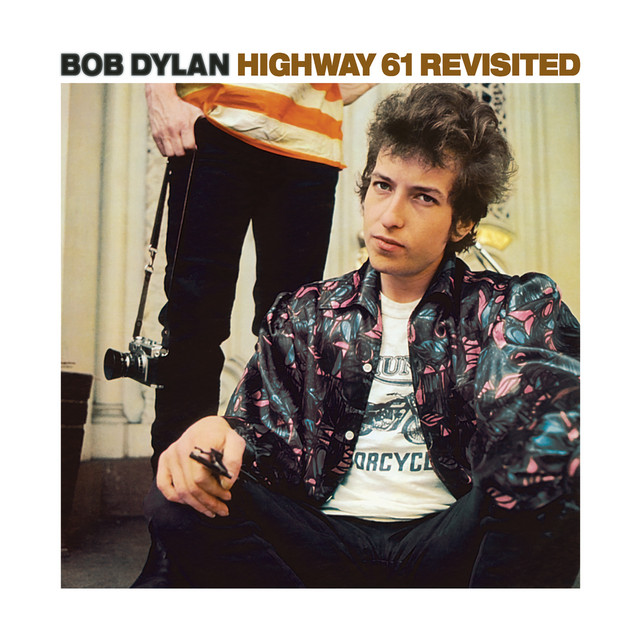
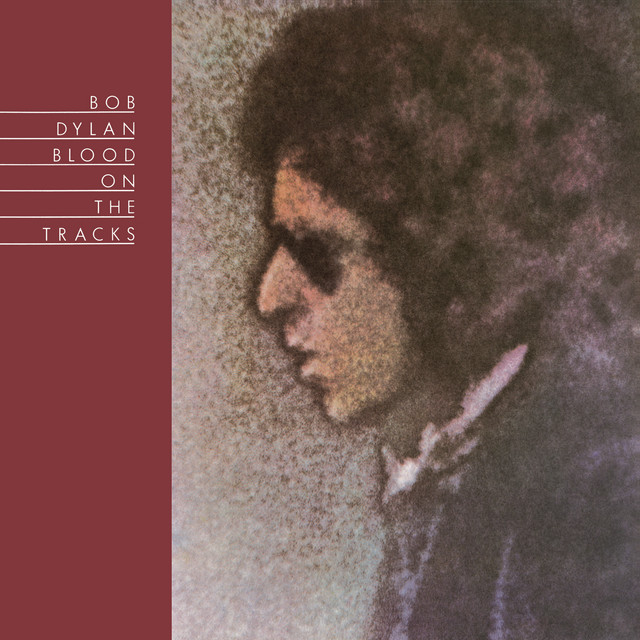
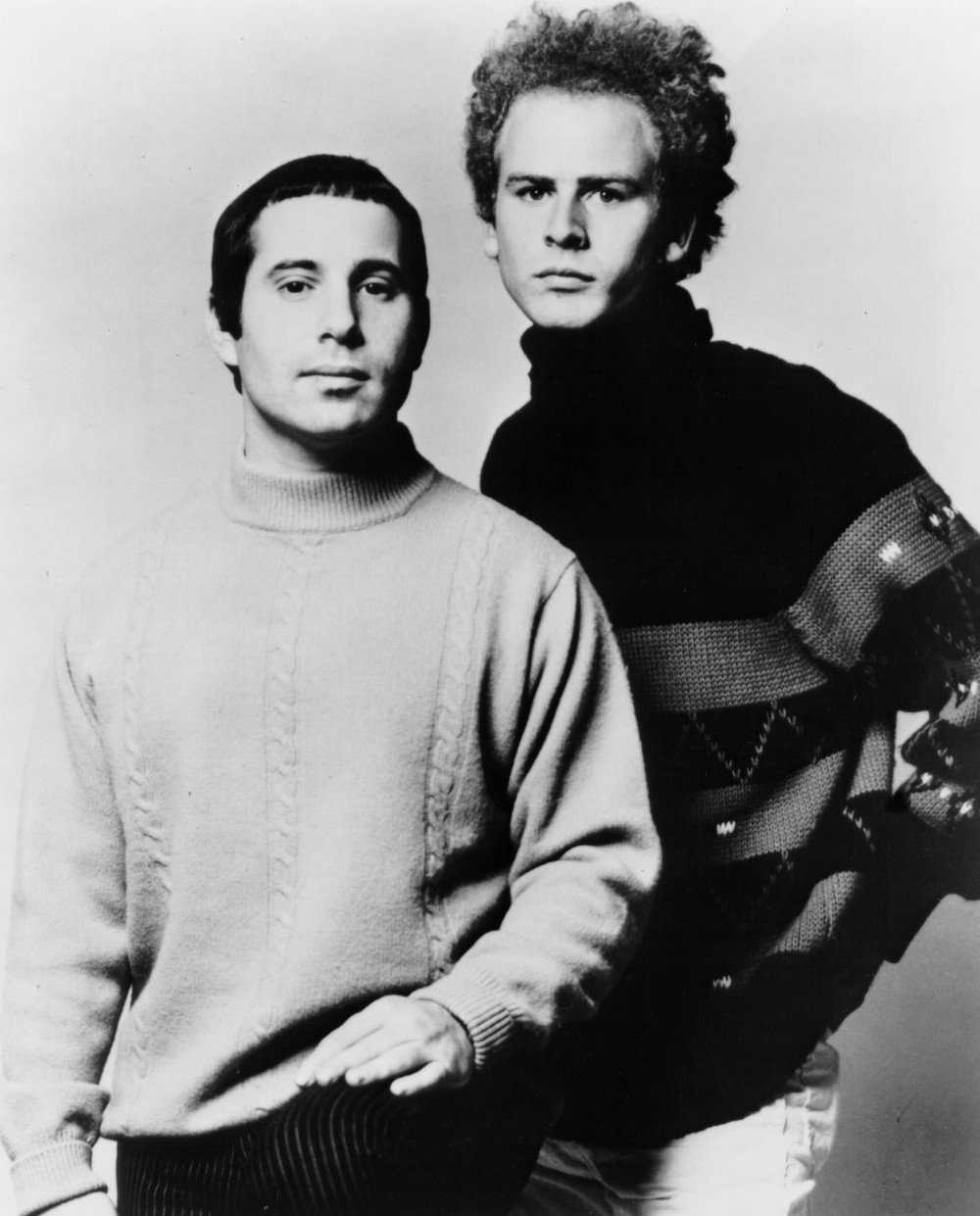
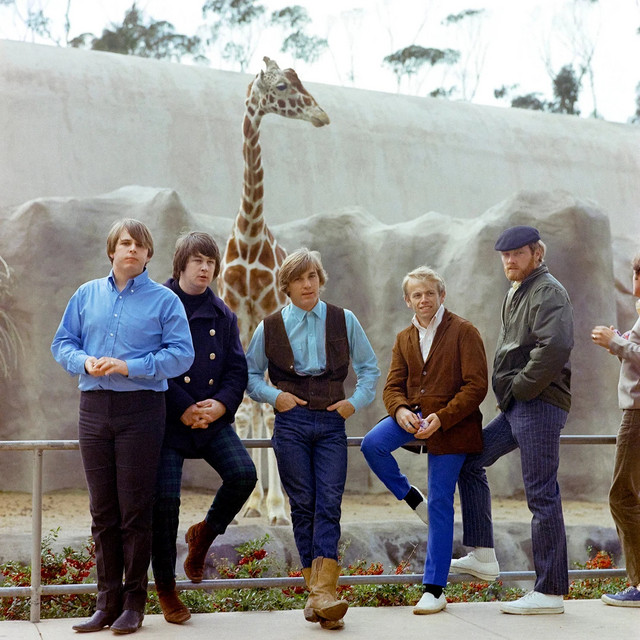
Folk rock coalesced in the United States in the mid‑1960s when singer‑songwriters and bands began amplifying folk repertoire and aesthetics. Bob Dylan’s move to electric instruments in 1965 (notably at the Newport Folk Festival) and The Byrds’ jangling, harmony‑rich hit version of “Mr. Tambourine Man” bridged traditional folk storytelling with a rock backbeat and 12‑string textures. Simon & Garfunkel, The Band, and Buffalo Springfield further broadened the sound, pulling in blues, country, and gospel currents and proving roots material could sit comfortably alongside contemporary rock.
In the UK, Fairport Convention, Steeleye Span, and Pentangle adapted native ballads and dance tunes to rock instrumentation, effectively founding British folk rock. Albums like Fairport Convention’s “Liege & Lief” (1969) created a blueprint for electrified traditional repertoire. In North America, Crosby, Stills, Nash & Young and Joni Mitchell brought intricate harmonies and confessional writing, while The Band’s rustic sound helped catalyze country rock and roots rock.
The clean, chiming guitar timbre (inspired by The Byrds) echoed through 1980s jangle pop and college rock, influencing bands like R.E.M. and The Smiths. Meanwhile, roots‑oriented scenes resurfaced in Americana and alt‑country, reaffirming folk rock’s foundational role in blending traditional songwriting with contemporary rock frameworks.
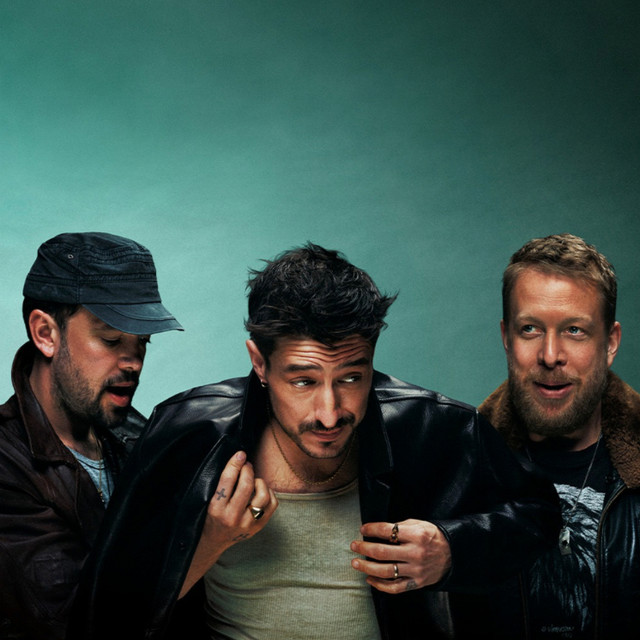
The 2000s and 2010s saw a high‑profile revival via indie folk and folk‑adjacent acts (e.g., Fleet Foxes, Mumford & Sons), reintroducing layered harmonies, acoustic textures, and anthemic arrangements to mainstream festival stages. Today, folk rock remains a flexible platform, integrating regional folk traditions worldwide with modern rock production and songwriting.