Your digging level
Description
Piedmont blues is an East Coast style of acoustic blues defined first and foremost by its guitar technique. Players use a steady, alternating-thumb bass on the lower strings while the index (and sometimes middle) finger picks syncopated melodies on the treble strings. The resulting texture imitates ragtime or stride piano: a walking/oom‑pah bass underpinning a dancing, off‑beat melody on top.
Developed in the southern Appalachian foothills and the broader U.S. East Coast, the style favors clear, song‑like melodies, buoyant rhythms, and a repertoire that ranges from blues and hokum to gospel and dance tunes. Blues researcher Peter B. Lowry coined the term “Piedmont blues,” sharing credit with folklorist Bruce Bastin, to distinguish this ragtime‑based, melodically oriented approach from the more riff‑driven, modal feel of Mississippi Delta blues.
History
Piedmont blues arose in the early 20th century in the southern Appalachian foothills and along the U.S. East Coast, from Virginia and the Carolinas down into Georgia. Street musicians, house parties, medicine shows, and dance halls fostered a hybrid style that married African American blues and spirituals to the syncopated pulse of ragtime and the song repertoire of vaudeville and old‑time fiddle/banjo traditions. The guitar became a portable “one‑man band,” with the thumb replicating a pianist’s left‑hand stride and the fingers supplying the right‑hand melody.
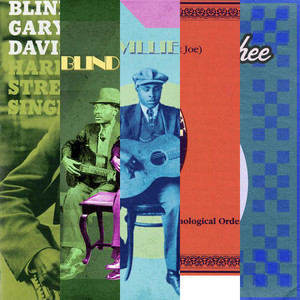
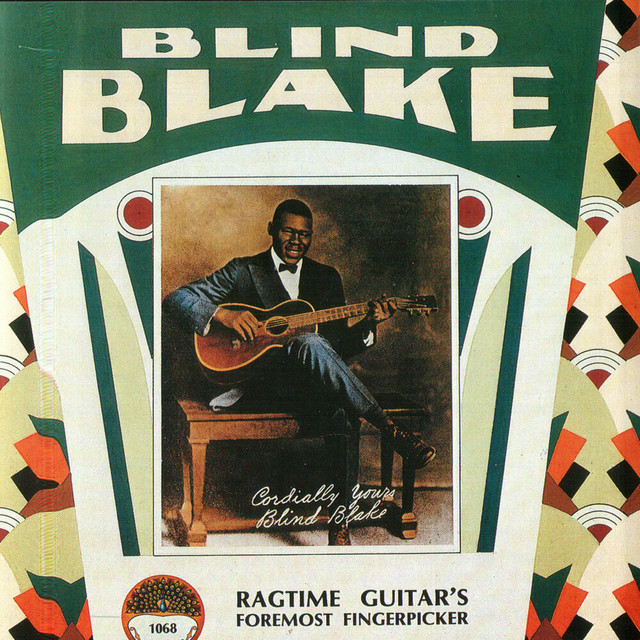
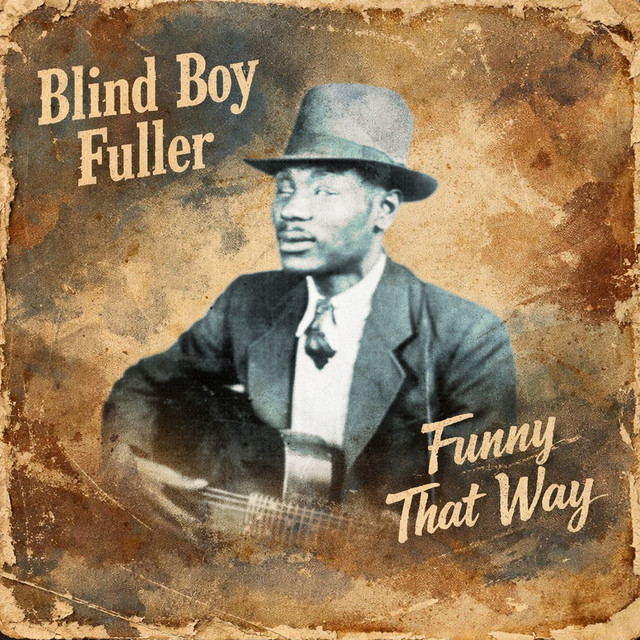
The first well‑known recordings captured the style’s rhythmic sophistication and songfulness. Artists such as Blind Blake, Blind Willie McTell, and Blind Boy Fuller popularized intricate, upbeat fingerpicking that sounded like ragtime piano on six strings. Their records—often labeled “race records”—circulated widely, shaping East Coast blues aesthetics and repertoire (including hokum, dance numbers, and gospel pieces).
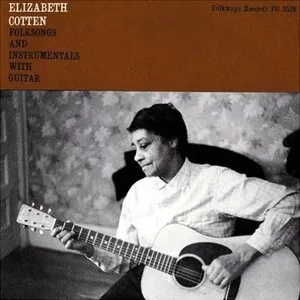
After World War II, electrified blues and urban styles eclipsed many acoustic traditions, yet Piedmont blues persisted in local scenes and in the work of influential figures like Reverend Gary Davis (whose virtuosic gospel‑blues and jazz‑inflected harmonies inspired a generation of folk revivalists). The 1950s–60s folk revival rediscovered and celebrated Etta Baker, Elizabeth Cotten, Josh White, John Jackson, and others, cementing the style’s legacy on festival stages and in the emerging singer‑songwriter movement.
The term “Piedmont blues,” coined by Peter B. Lowry with co‑credit to Bruce Bastin, helped codify the style’s identity in scholarship and liner notes. Duos like Cephas & Wiggins, as well as regional organizations and festivals, kept the tradition visible. Contemporary fingerstyle guitarists, Americana acts, and blues educators continue to teach and perform the alternating‑bass, syncopated approach, ensuring the Piedmont feel—buoyant, melodic, and ragtime‑rooted—remains a living language.