Your digging level
Description
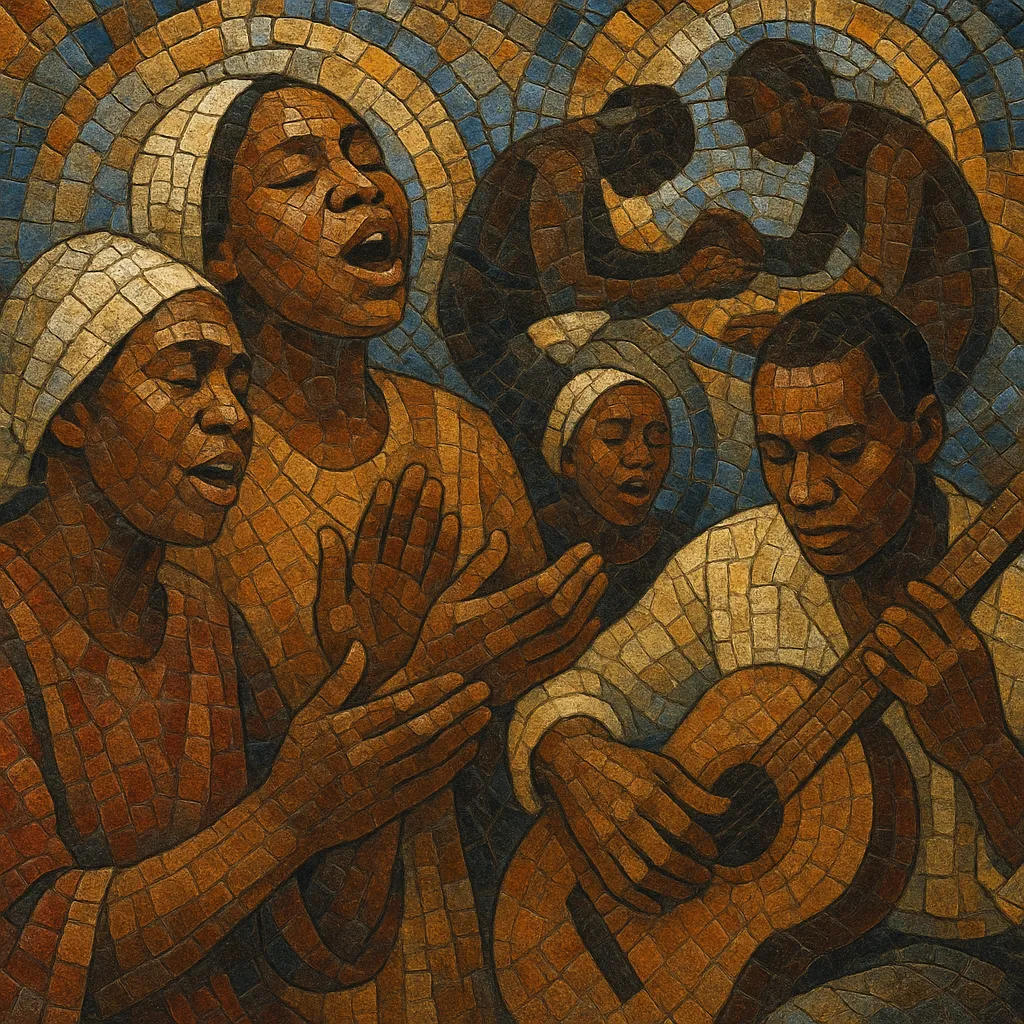
Spirituals are religious folk songs created by enslaved Africans and their descendants in the United States, blending West African musical practices with Protestant Christian hymnody. Sung primarily a cappella, they feature call-and-response, improvisation, rich timbral expression, and rhythmic drive supported by body percussion (clapping, stomping) and the ring shout.
Texts draw on Biblical narratives—especially Exodus, captivity, deliverance, and redemption—while often carrying coded meanings about resistance, escape, and communal hope. Melodies frequently use pentatonic patterns, blue-leaning inflections, and flexible meter, while group performance encourages heterophony and spontaneous variation.
Over time, spirituals moved from work fields and praise houses to concert stages through arranged choral traditions, profoundly shaping American music by influencing gospel, blues, jazz, soul, and the broader canon of U.S. folk and popular song.
History
Spirituals arose among enslaved Africans and African Americans in the United States during the 18th and especially the early 19th century. They fused West African musical elements—polyrhythm, responsorial singing, improvisation, and movement—with Protestant hymnody introduced through missionary work and camp meetings. Practices like the ring shout preserved African communal worship within a Christian context.
During and after the Second Great Awakening, spirituals flourished in praise houses and brush arbor meetings. Songs drew on Old Testament imagery (Exodus, Jordan River, Canaan) and New Testament hope, often encoding messages about freedom and solidarity. The Civil War and Emancipation catalyzed wider transmission of the repertoire.
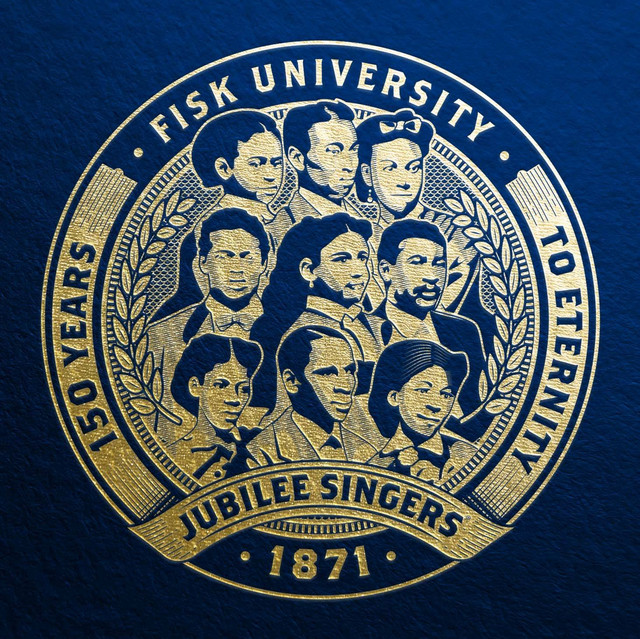
In the 1870s, the Fisk Jubilee Singers popularized spirituals globally by presenting them on concert stages, framing them as high art while preserving their emotional core. Arrangers such as Harry T. Burleigh, Hall Johnson, William L. Dawson, and later Jester Hairston and Moses Hogan created choral settings that placed spirituals within classical performance contexts, expanding their harmonic palette while maintaining stylistic hallmarks like call-and-response and expressive rubato.
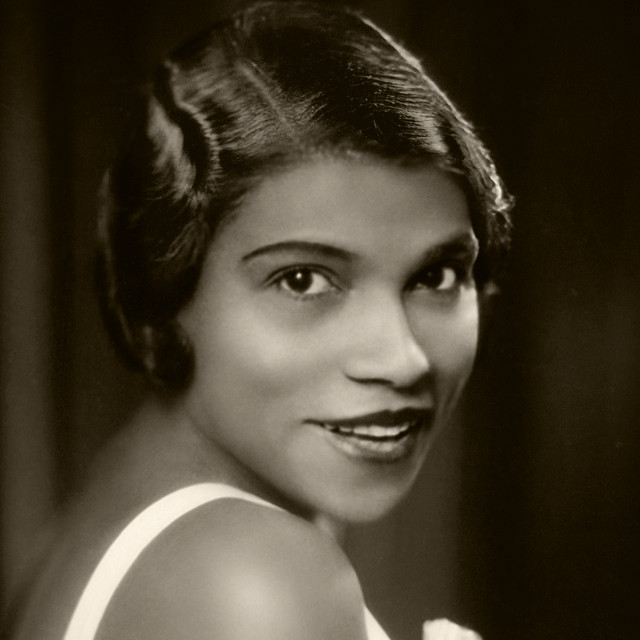
Spirituals profoundly influenced the emergence of gospel, as well as blues and jazz phrasing, harmony, and performance practice. Classical vocalists (e.g., Marian Anderson, Roland Hayes, Paul Robeson) helped canonize solo concert spirituals. The repertoire served as a foundation for civil rights freedom songs, bridging sacred tradition and social activism. Today, spirituals remain central in HBCU choirs, community choruses, and classical recitals, sustaining a living link between African diasporic aesthetics and American sacred music.