Your digging level

For this genre
0/8
🏆
Sign in, then listen to this genre to level up

Description

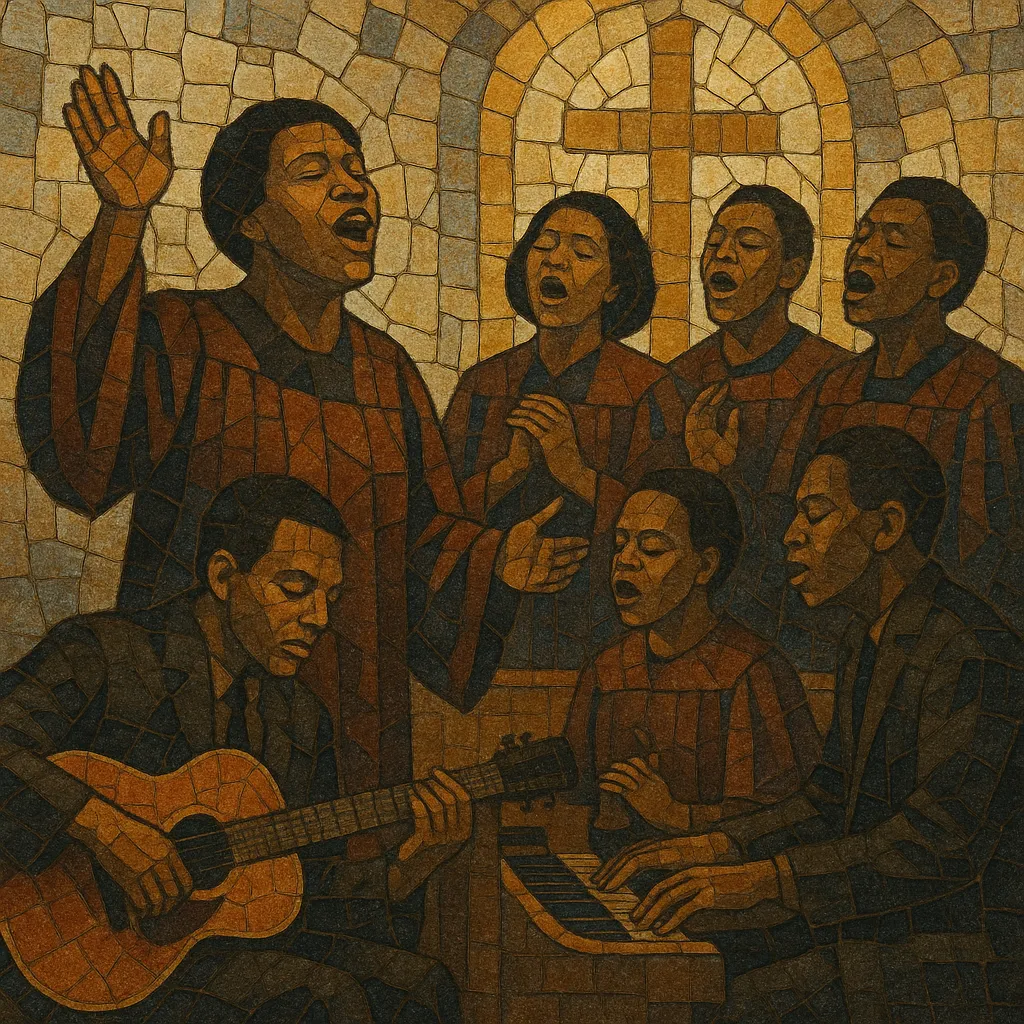
Gospel is a vocal-centered Christian genre whose lyrics explicitly express faith, salvation, hope, and communal testimony. Performances emphasize expressive lead vocals, choirs, call-and-response, and congregational participation, often supported by piano/organ, handclaps, and a rhythm section.

While the modern form coalesced in the early 20th century through urban church music and the work of composer–leaders such as Thomas A. Dorsey, its roots trace back to earlier Christian hymnody and African American sacred traditions. Across cultures and denominations, gospel functions in worship, evangelism, community celebration, and—by the late 20th century—in commercial recordings and concerts.

Stylistically, gospel spans traditional quartet and choir styles, “gospel blues,” and contemporary fusions with R&B, soul, pop, and hip hop. What unites these strands are dominant vocals, testimonial lyrics grounded in Scripture and lived experience, and a performance practice designed to move both spirit and body.

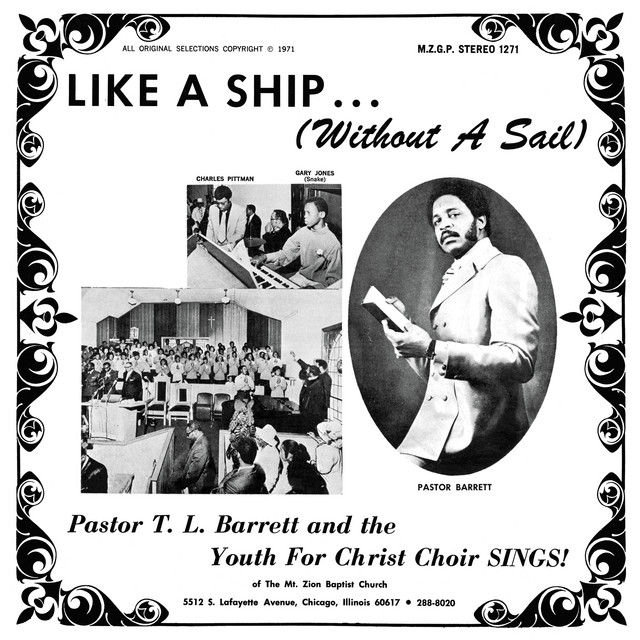
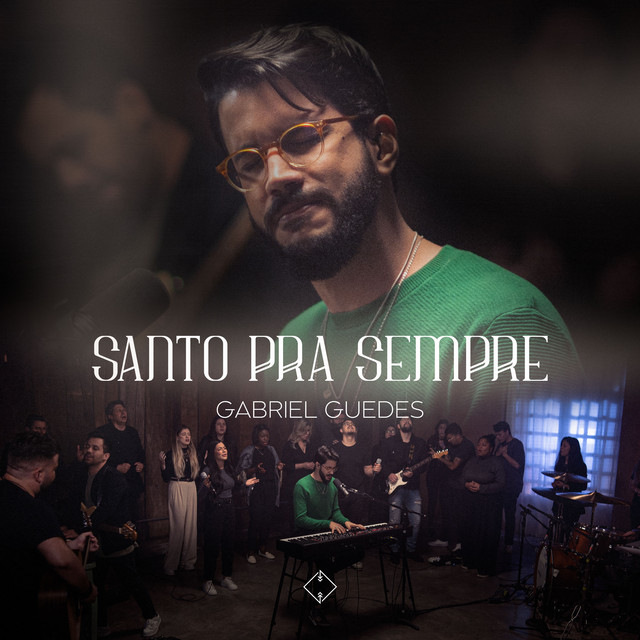
Sources: Spotify, Wikipedia, Discogs, RYM, MB, user feedback and other online sources

History

Early Roots (17th–19th centuries)
•   The antecedents of gospel lie in Christian hymnody and African American sacred traditions, including spirituals, lining-out, and ring shouts in enslaved communities. These practices blended biblical narratives with African-derived musical features such as call-and-response, polyrhythms, and communal participation. •   Post–Civil War, the rise of Black hymn writers, shape-note singing (e.g., Sacred Harp), and jubilee quartets created a foundation of repertoire and ensemble practices that prefigured modern gospel.
Formation of Modern Gospel (1900s–1940s)
•   In the early 20th century, urban Black churches fostered a new sound: impassioned soloists, responsive choirs, and blues-inflected harmonies over piano/organ. Thomas A. Dorsey—called the “Father of Gospel Music”—codified a style marrying spiritual message with the harmonic language and feel of the blues. •   Recordings and radio spread the style beyond church walls. Figures like Sallie Martin and Roberta Martin launched influential choirs and publishing ventures, while quartets traveled on the “gospel highway.”
Golden Age and Crossover (1950s–1970s)
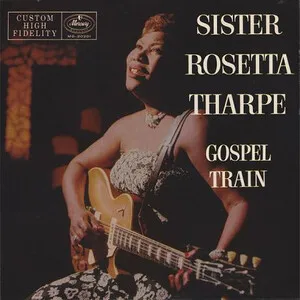
•   The 1950s–60s saw the “Golden Age,” marked by towering voices (Mahalia Jackson, Clara Ward) and mass-choir sounds that inspired and were inspired by soul and rhythm & blues. Choir directors such as James Cleveland professionalized large-ensemble gospel and founded institutions like the Gospel Music Workshop of America. •   Gospel’s phrasing, vocal agility, and harmonic vocabulary profoundly shaped secular soul and rock and roll, even as artists like Sister Rosetta Tharpe took sanctified guitar-driven gospel to broader stages.
Contemporary Diversification (1980s–present)
•   Producers and artist–directors (e.g., Andraé Crouch, Edwin Hawkins, Kirk Franklin) integrated modern R&B, hip hop, and pop aesthetics, leading to contemporary gospel and praise & worship movements. Substyles such as gospel blues, sacred steel, and gospel-inflected reggae and house reflect the genre’s adaptability. •   Today gospel thrives globally in church ministries, concert halls, and commercial recordings, remaining a cornerstone of Christian media and communal expression.

How to make a track in this genre

Core Elements
•   Start with a clear, faith-centered message: themes of praise, testimony, deliverance, and hope. Write lyrics as direct address to God or as communal exhortation, using scriptural references and personal witness. •   Feature dominant vocals: a powerful lead supported by a responsive choir (SATB) or quartet. Employ call-and-response to invite congregational participation.
Harmony & Melody
•   Use gospel’s characteristic harmonic palette: diatonic major keys with frequent IV–I plagal movement (the “Amen” cadence), I–IV–V progressions, secondary dominants, and blues-inflected tones (b3, b5, b7). Step-up modulations (often +1 or +2 semitones) heighten intensity late in the song. •   Melodies should be singable yet expressive, allowing for melisma, ad-libs, and spontaneous embellishment by the lead.
Rhythm & Groove
•   Choose grooves that support testimony and movement: 6/8 shuffles for soaring ballads; medium 4/4 with backbeat and handclaps for congregational praise; faster “shout” feels for climactic vamps. Syncopation and rhythmic drive are essential. •   Use vamps (short repeating chord/melodic cycles) to sustain energy under exhortation or call-and-response.
Instrumentation & Arrangement
•   Traditional: lead voice, choir, piano or Hammond organ, tambourine, handclaps. •   Contemporary: add drums, electric bass, electric/acoustic guitar, keyboards/synths; optional horn section or strings for climaxes. •   Arrange for dynamics: begin intimately (solo + piano), build through chorus/bridge, employ a vamp and a key change, then end with a cadence or ritard.
Production & Performance Practice
•   Capture live energy—group claps, room mics for the choir, and natural reverb. Encourage spontaneous ad-libs, spoken exhortations, and modulations that mirror a service’s arc. •   Prioritize clarity of the lead vocal and lyric intelligibility; balance the choir to support, not mask, the message.

Main artists

Top tracks

Locked
Share your favorite track to unlock other users’ top tracks

Upcoming concerts

in this genre
Influenced by
Has influenced

Download our mobile app

Get the Melodigging app and start digging for new genres on the go
© 2026 Melodigging
Melodding was created as a tribute to Every Noise at Once, which inspired us to help curious minds keep digging into music's ever-evolving genres.
Buy me a coffee for Melodigging