

Your digging level
For this genre
0/8
🏆
Sign in, then listen to this genre to level up
Description
Vocal jazz is a jazz tradition in which the human voice is treated as an instrument—matching the phrasing, articulation, and timbral nuance of horns or piano. Singers often improvise melodically and rhythmically, including using scat singing (nonsense syllables) to emulate instrumental solos.
At the same time, many vocal‑jazz performances favor traditional, pop‑leaning song structures and clear lyric delivery, reducing the overall role of extended improvisation compared with small‑group instrumental jazz. Repertoires frequently draw from Tin Pan Alley and Broadway standards (the Great American Songbook), rendered with swing, ballad, or Latin feels.
History
Origins (1920s)
• Vocal jazz coalesced during the Jazz Age in the United States as singers began to phrase like instrumentalists over syncopated rhythm sections. Louis Armstrong popularized scat singing on recordings such as "Heebie Jeebies" (1926), cementing the idea of the voice as a frontline improvising instrument.
• Early vocal stylists drew on blues and vaudeville, but also on the sophisticated harmonies of Tin Pan Alley songs, establishing a repertoire that would become the Great American Songbook.
Swing Era and Popularization (1930s–1940s)
• The big‑band era elevated the crooner and the jazz vocalist alike. Billie Holiday and Ella Fitzgerald refined behind‑the‑beat phrasing, flexible tone, and conversational storytelling; band singers like Frank Sinatra and Nat King Cole helped bring jazz‑inflected vocals to mass audiences.
• While improvisation—especially scat—remained central for some artists (e.g., Ella), many vocal hits emphasized memorable melodies and concise forms, aligning vocal jazz closely with popular songcraft.
Bebop and Postwar Developments (1940s–1950s)
• Bebop’s harmonic complexity influenced singers such as Sarah Vaughan and Carmen McRae, who navigated chromatic lines, altered dominants, and rapid ii–V cycles with instrumental precision.
• Vocalese (Eddie Jefferson, King Pleasure; later Lambert, Hendricks & Ross) set lyrics to famous jazz solos, blending virtuosic bebop language with narrative lyricism—a hallmark of the voice-as-instrument idea.
Diversification and Crossover (1960s–1990s)
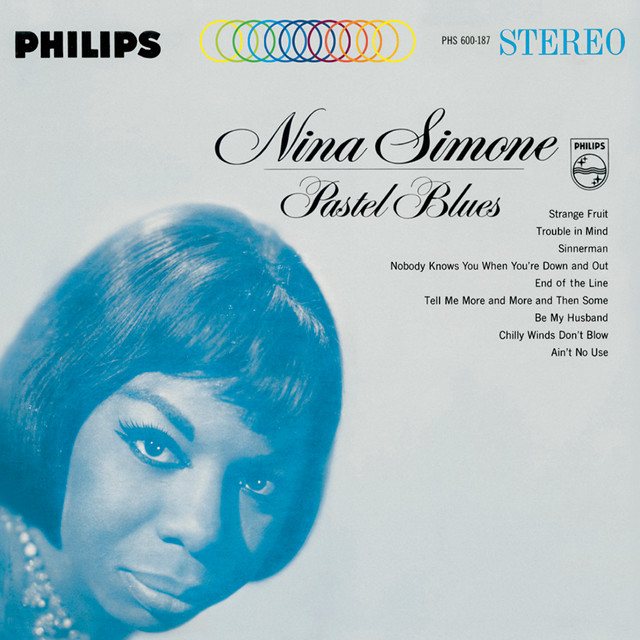
• Jazz vocals intersected with soul, folk, and classical influences (e.g., Nina Simone), and with Brazilian bossa nova (Astrud Gilberto, João Gilberto collaborations), broadening rhythmic palettes and textures.
• The later 20th century saw both traditionalists and innovators: Mel Tormé and Tony Bennett preserved swing‑era elegance; Bobby McFerrin expanded a cappella and extended‑technique possibilities; Cassandra Wilson explored intimate, blues‑rooted reinventions of standards.
Contemporary Era (2000s–present)
• Artists such as Diana Krall, Kurt Elling, and Gregory Porter reaffirm the core aesthetics—rich harmonic sensibility, elastic phrasing, and a balance between lyrical storytelling and instrumental agility.
• In parallel, vocal jazz often adopts more pop‑structured arrangements and reduced improvisation for accessibility (radio formats, soundtrack/playlist culture), while dedicated jazz settings still showcase scat, reharmonization, and open‑form interplay.
Core Materials and Forms
• Repertoire: Start with Great American Songbook standards and jazz blues (12‑bar) or classic 32‑bar AABA forms; add bossa nova and contemporary originals as desired.
• Harmony: Use extended/altered chords (maj7, 9, 11, 13; b9/#9/#11/b13), secondary dominants, tritone substitutions, and ii–V–I chains. Reharmonize with passing ii–V’s, backdoor dominants, or modal interchange to refresh familiar tunes.
Vocal Approach and Improvisation
• Treat the voice like a horn: shape phrases with dynamics, vibrato control, smears, falls, bends, and tasteful portamento. Place lines slightly behind the beat for a relaxed swing.
• Scat thoughtfully: build motifs with clear rhythmic ideas, outline chord tones on strong beats, and connect phrases with guide tones through changes. Employ syllables that articulate swing (e.g., “doo‑ba,” “bap‑doo‑dee”).
• Balance freedom and form: for pop‑leaning arrangements, keep solos concise and foreground the lyric; for jazz‑club contexts, allow more open trading with the band.
Rhythm and Feel
• Groove palette: medium/uptempo swing, walking ballads, waltz time, Latin (bossa/samba), and modern straight‑8 feels. Maintain a buoyant ride‑cymbal pattern and supportive walking bass.
• Time and space: Use rubato intros/outros, leave rests for instrumental interjections, and employ call‑and‑response with piano/horns for conversational flow.
Arranging and Ensemble
• Small combo: voice + piano (or guitar), double bass, drums; add sax/trumpet for obbligato lines and shout‑chorus effects. For ballads, consider voice + piano/bass in sparse textures.
• Big band: feature the vocalist with tight sectional backgrounds (pads, riffs) and dynamic builds; notate cues and kicks that frame lyric lines.
• Mic technique: close‑miking for intimacy; work proximity effect for warmth; use subtle reverb; avoid over‑compression to preserve micro‑dynamics and phrasing.
Lyric and Interpretation
• Prioritize storytelling: clarify consonants, shape vowels for tone color, and map emotional arcs within verses and bridges.
• Vocalese/lyrics: write text that tracks melodic contours and rhythmic accents of a known solo; ensure singable scansion and natural prosody.
Practice Tips
• Internalize changes by singing guide‑tone lines (3rds/7ths) and arpeggios through forms.
• Transcribe classic scat choruses and phrasing by masters (Fitzgerald, Vaughan) to absorb vocabulary; then develop personal motifs and syllable sets.
• Rehearse with a metronome on 2 & 4 to lock swing; record rehearsals to refine time feel and diction.

Top albums
Best playlists

Top tracks
Locked
Share your favorite track to unlock other users’ top tracks





Upcoming concerts
in this genre
