Your digging level
Description
Jazz pop blends the melodic immediacy and song structures of pop with the harmonic richness, phrasing, and instrumentation of jazz.
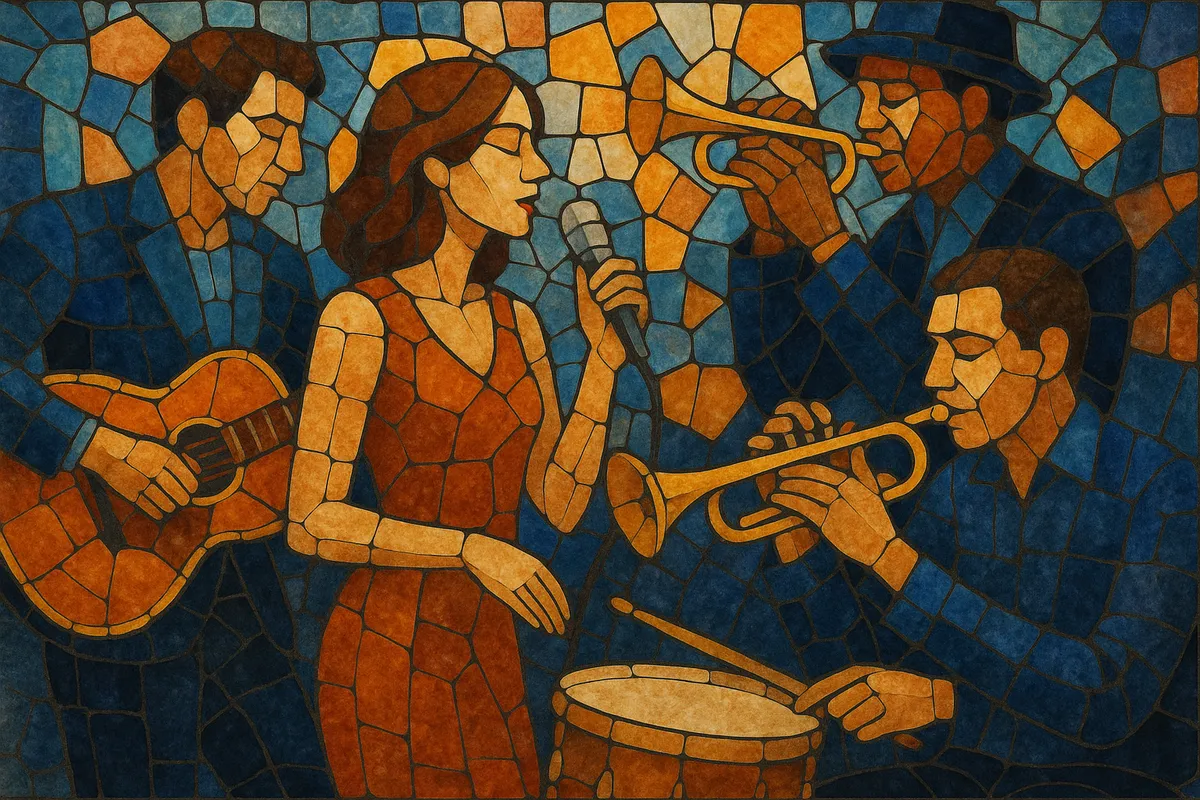
Typical arrangements feature piano or guitar-led rhythm sections, upright or electric bass, light drum kits (often with brushes), and tasteful horns or strings. Harmonically it favors extended chords (maj7, 9ths, 13ths), ii–V–I cadences, and sophisticated substitutions, while rhythms range from gentle swing and bossa nova to straight pop backbeats. Vocals usually emphasize warm timbres, nuanced crooning, and elastic, behind-the-beat phrasing.
The result is urbane, approachable music that keeps pop’s hooks and forms while carrying jazz’s color and elegance, making it a perennial crossover sound for radio, lounges, and contemporary singer‑songwriters.
History
Jazz pop coalesced in the 1950s United States as pop singers and bandleaders absorbed jazz’s harmony and swing feel into radio-friendly singles. Crooners and vocal stylists—often backed by big band or small jazz combos—translated jazz standards and new material into concise, chart-ready performances. This era built on traditional pop and swing while smoothing edges for broader audiences.
The 1960s brought bossa nova’s gentle syncopations and cool-jazz harmonies into the pop mainstream, further cementing the style’s suave, cosmopolitan character. Arrangers fused lush strings, woodwinds, and subtle horn charts with catchy pop writing, refining the balance between accessibility and jazz nuance.
High-fidelity studio craft and AOR sensibilities helped jazz-inflected pop flourish. Some artists leaned toward smooth textures and adult-oriented radio formats, while others folded in light funk or soft-rock grooves. This period directly prefigured sophisti-pop and provided a template for later lounge and smooth jazz crossovers.
A revival of classic crooning and standards interpretation intersected with new singer-songwriters who wrote original material using jazz chords and phrasing. Contemporary production—warm microphones, intimate mixing, and tasteful dynamics—kept the sound current while honoring mid-century elegance.
Streaming-era artists blend jazz pop with soul, indie, and electronic textures. The core traits remain—extended harmony, supple vocals, and refined arrangements—while rhythms and production borrow freely from modern pop and global styles. The genre continues to serve as a bridge between jazz literacy and mainstream appeal.