Your digging level

For this genre
0/8
🏆
Sign in, then listen to this genre to level up

Description

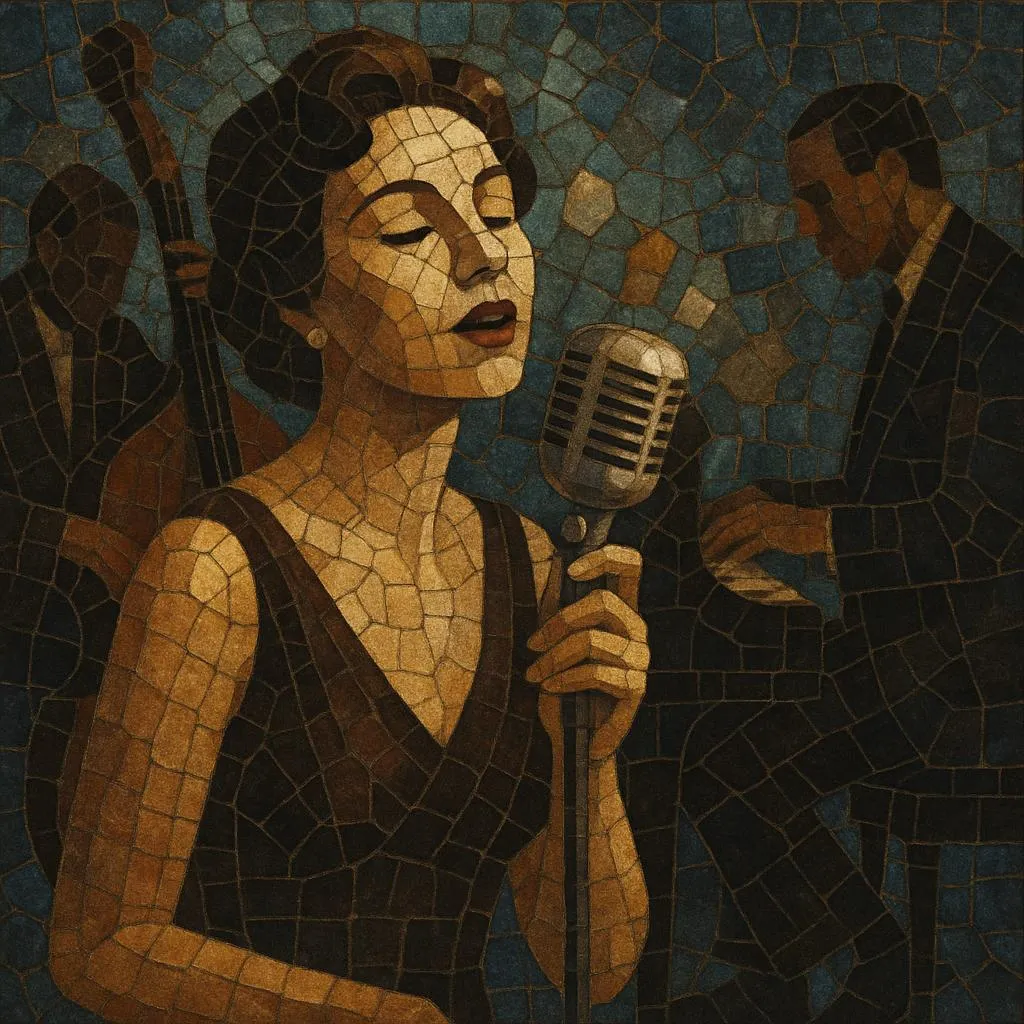
Deep adult standards is a crate‑digging, repertoire‑focused take on mid‑20th‑century “adult standards” — the lush, crooner‑led popular songs associated with the Great American Songbook and the pre‑rock era. “Deep” signals an emphasis on lesser‑known singles, B‑sides, regional hits, and forgotten arrangements alongside the canon of elegant ballads and medium‑swing numbers.

The style centers on polished vocal performances, romantic storytelling, and sophisticated arrangements for orchestra or big band rhythm sections. Harmonies draw on jazz practice, while forms often follow 32‑bar AABA or classic verse–chorus designs. The overall sound is warm, urbane, and intimate — music for lounges, supper clubs, and living‑room hi‑fi systems — with the spotlight firmly on phrased, conversational singing over refined accompaniment.


Sources: Spotify, Wikipedia, Discogs, RYM, MB, user feedback and other online sources

History

Early roots (1930s–1940s)

Adult standards grows out of the nightclub and radio ecosystems of the swing era. Popular composers and lyricists tied to Tin Pan Alley and Broadway supplied sophisticated songs, while band singers and emerging solo stars turned these into enduring “pop standards.” Orchestras and big bands provided the template: brushed drums, walking bass, rich woodwinds, and strings supporting crooning vocalists.

Golden age and consolidation (1950s–1960s)

Postwar prosperity and advances in recording (better microphones, magnetic tape, LPs) produced the classic crooner sound: intimate, close‑miked vocals and elegant orchestral arrangements. Songbooks by composers such as George & Ira Gershwin, Cole Porter, and Rodgers & Hart were repeatedly interpreted by leading vocalists, turning individual tunes into evergreen repertoire. Lounge culture, supper clubs, and television variety shows amplified the style’s reach.

The “deep” perspective and radio formats (1970s–1990s)

As rock and soul dominated mainstream charts, standards lived on through MOR/easy‑listening and later “adult standards” radio. Archivists, collectors, and specialty programmers began to dig deeper than the obvious anthems, surfacing overlooked sides, regional pressings, and one‑off studio projects that still fit the format’s refined aesthetics.

Revivals and curation era (2000s–present)

Digital reissues, playlists, and specialty stations nurtured a “deep” adult standards sensibility: not merely replaying the most famous ballads, but curating breadth — obscure vocalists, alternate takes, and forgotten label catalogs — while reaffirming the genre’s hallmarks of romantic eloquence, impeccable phrasing, and plush arrangements.

How to make a track in this genre

Core songcraft
•   Favor 32‑bar AABA forms, or classic verse–refrain designs. Aim for singable, conversational melodies that leave room for rubato pickups and held notes. •   Write lyrics with clear narrative arcs about love, yearning, wistfulness, and urbane wit. Use vivid but economical imagery and internal rhymes.
Harmony and melody
•   Use jazz‑informed tonal harmony: ii–V–I cycles, secondary dominants, tritone substitutions, deceptive cadences, and tasteful modulations (often a late half‑step lift for the final refrain). •   Melodies should outline chord changes gracefully, mixing stepwise motion with expressive leaps (6ths and 9ths), leaving space for vocal inflection.
Rhythm and feel
•   Tempos range from torch‑song ballads (~60–72 BPM) to medium swing (~100–140 BPM). Ballads often use light rubato intros before settling into time. •   For swing feels, use brushed drums and walking bass; for ballads, use sustained bass, soft mallet cymbals, and subtle arpeggiated piano or guitar.
Instrumentation and arranging
•   Canonical palette: rhythm section (piano, upright bass, brushed kit, sometimes guitar) plus strings, woodwinds, and muted brass. Add harp and vibraphone for extra sheen. •   Orchestrate with counter‑melodies in winds, warm string pads, and sparing brass punctuations. Use classic rehearsal marks: short intro, 8‑bar tag, and button endings. •   Introduce a brief instrumental chorus (winds or muted trumpet) before the final vocal return to showcase arrangement color.
Vocal delivery and production
•   Prioritize diction, legato phrasing, and micro‑timing behind the beat for intimacy. Employ tasteful melisma sparingly — clarity and story come first. •   Record with close miking and gentle tape‑style compression; add natural plate or chamber reverb for a period sheen.
The “deep” curatorial lens
•   When selecting repertoire or writing new material, look beyond the most canonical titles. Embrace lesser‑known standards, regional label arrangements, or under‑recorded composers whose songs carry the same harmonic polish and lyrical poise.

Top tracks

Locked
Share your favorite track to unlock other users’ top tracks

Upcoming concerts

in this genre
Influenced by
Has influenced

Download our mobile app

Get the Melodigging app and start digging for new genres on the go
© 2026 Melodigging
Melodding was created as a tribute to Every Noise at Once, which inspired us to help curious minds keep digging into music's ever-evolving genres.
Buy me a coffee for Melodigging