Your digging level for this genre

0/8
🏆
Sign in, then listen to this genre to level up

Description

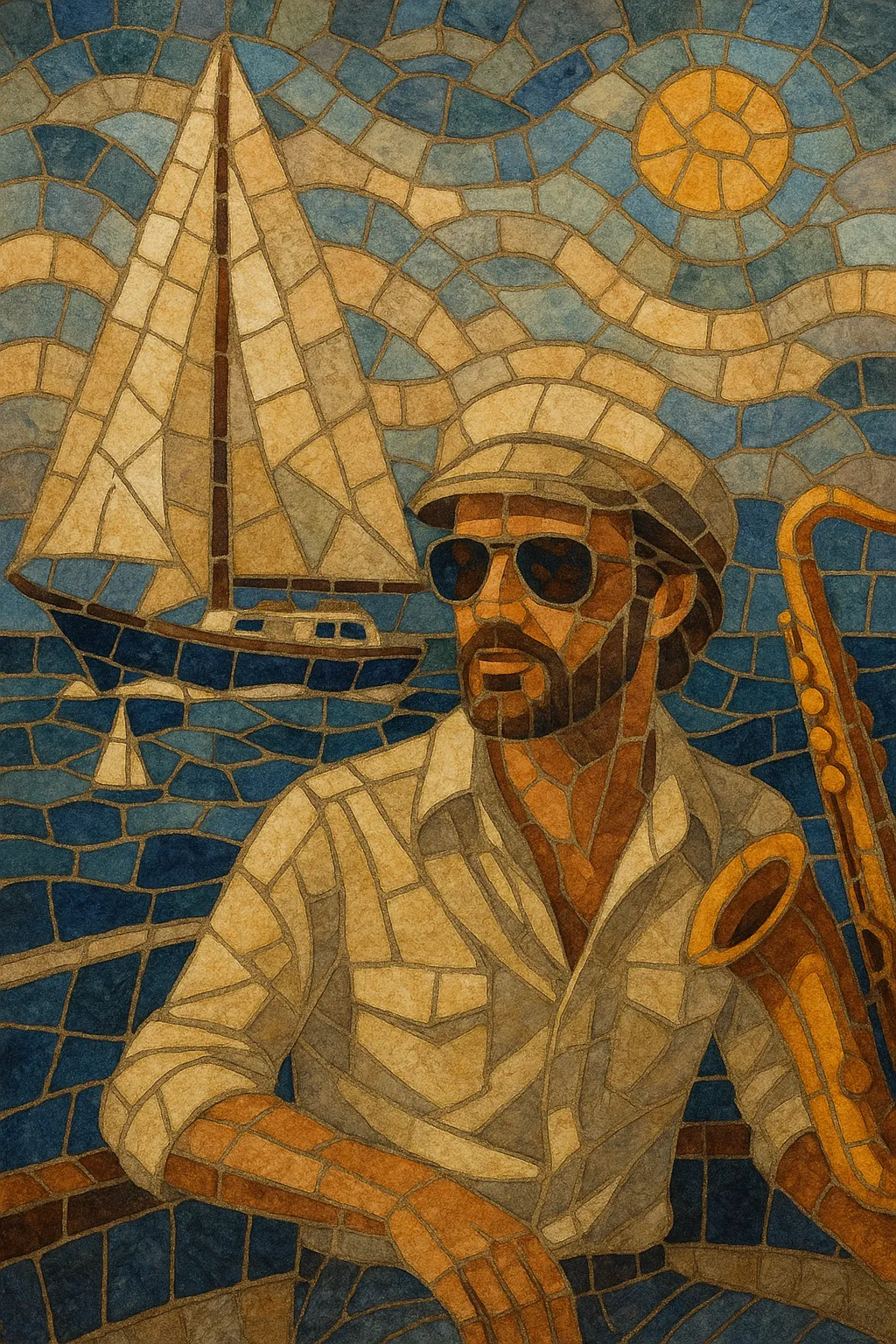
Yacht rock is a polished, jazz-tinged strain of late-1970s and early-1980s soft rock characterized by sophisticated chord changes, silky vocal harmonies, immaculate studio production, and a smooth, midtempo groove.

It blends elements of blue-eyed soul, R&B, jazz fusion, and pop rock, often featuring electric piano (Fender Rhodes), clean chorus-laden guitars, saxophone leads, and glossy backing vocals. Lyrically, it tends toward romantic longing, aspirational lifestyles, and breezy coastal imagery—all delivered with understated cool.

History

Origins (mid–late 1970s)

Yacht rock coalesced on the U.S. West Coast in the mid-to-late 1970s as Los Angeles studio culture embraced jazz-influenced harmony and ultra-professional session players. Artists like Steely Dan, Boz Scaggs, and the Doobie Brothers (with Michael McDonald) fused soft rock and blue-eyed soul with R&B feel, introducing extended chords, slick arrangements, and pristine production values.

Peak era (circa 1978–1984)

By the turn of the 1980s, the sound reached mainstream prominence through acts such as Toto, Christopher Cross, Kenny Loggins, and Hall & Oates. Radio formats like Adult Contemporary amplified its reach, while elite L.A. session musicians (e.g., members of Toto, the "Wrecking Crew" successors) defined its hallmark precision and polish. Signature grooves (like Jeff Porcaro’s half‑time shuffle) and the widespread use of Rhodes piano, layered backing vocals, and sax solos became synonymous with the style.

Decline and reappraisal

As MTV-era new wave, harder rock, and emerging hip-hop reshaped pop landscapes after 1984, yacht rock’s chart dominance waned. In the 2000s, the web series “Yacht Rock” (2005) canonized the term and codified its stylistic boundaries, spurring themed DJ nights, tribute bands, and dedicated radio programming. This reappraisal elevated the music from a nostalgic curiosity to a respected craft of studio excellence.

Legacy

Yacht rock’s lush harmony, smooth grooves, and sonic sheen echo through sophisti-pop, Japanese city pop, chillwave, and sample-based internet movements (e.g., vaporwave). Its revival era also encouraged contemporary pop and indie acts to revisit West Coast AOR textures and refined, jazz-aware songwriting.

How to make a track in this genre

Instrumentation and sound
•   Use Fender Rhodes or Wurlitzer electric piano as a harmonic bed; add clean, chorus-tinged electric guitars and warm analog polysynth pads (e.g., Prophet-5) for sheen. •   Favor tight, midtempo drums (≈85–110 BPM) with light groove or half‑time shuffle; add tasteful percussion (congas, shakers) and melodic bass lines that lock with kick. •   Arrange with layered backing vocals, occasional horn or sax leads, and subtle string or synth‑string textures. Keep everything impeccably tight and polished.
Harmony and melody
•   Employ extended chords (maj7, min7, 9ths, 11ths), slash chords, and smooth voice-leading. Use ii–V–I movements and secondary dominants borrowed from jazz and R&B. •   Write melodies that glide over chord tensions, emphasizing stepwise motion and elegant leaps; use call-and-response with backing vocals.
Rhythm and groove
•   Aim for pocket and restraint rather than aggression. Consider a half‑time shuffle or gently syncopated 16ths on hats/percussion. •   Keep bass melodic but supportive; favor syncopation that outlines chord tones and tensions.
Lyrics and themes
•   Focus on sophisticated romance, wistful reflection, and aspirational coastal or urban imagery (harbors, highways, night drives, skyline bars). •   Maintain a cool, understated tone; avoid melodrama. Clever metaphors and adult, conversational phrasing fit the aesthetic.
Production
•   Prioritize immaculate tracking and mixing: tight edits, controlled dynamics, tasteful plate/room reverbs, and subtle chorus/delay. •   Feature virtuosic but economical solos (guitar, keys, or sax) and ensure every part serves the song’s smooth, luxurious feel.

Top tracks

Locked
Share your favorite track to unlock other users’ top tracks
Influenced by
Has influenced
Challenges
Digger Battle
Let's see who can find the best track in this genre
© 2025 Melodigging
Melodding was created as a tribute to Every Noise at Once, which inspired us to help curious minds keep digging into music's ever-evolving genres.
Buy me a coffee for Melodigging