Your digging level
Description
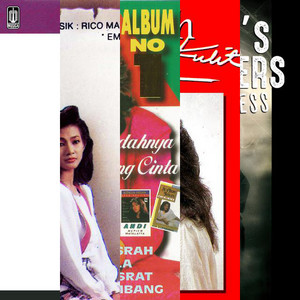
Indonesian city pop is a sleek, urban strain of Indonesian popular music that blends the smooth harmonies and polished studio craft of Japanese city pop with local 1980s pop, jazz-funk, AOR, disco, and soft rock aesthetics.
Characterized by silky major 7th chords, buoyant basslines, crisp drum machines, glossy synths (e.g., DX7/Juno), electric piano (Rhodes), and sax or guitar solos, the style evokes neon-lit nightlife, coastal drives, and metropolitan romance. Lyrically, it gravitates toward love, longing, and aspirational urban lifestyles, delivered with urbane, radio-friendly melodies in Bahasa Indonesia.
After its original peak in the 1980s, the sound re-emerged in the late 2010s through reissues, online discovery, and a new generation of Indonesian artists and producers who revived and modernized its feel for contemporary audiences.
History
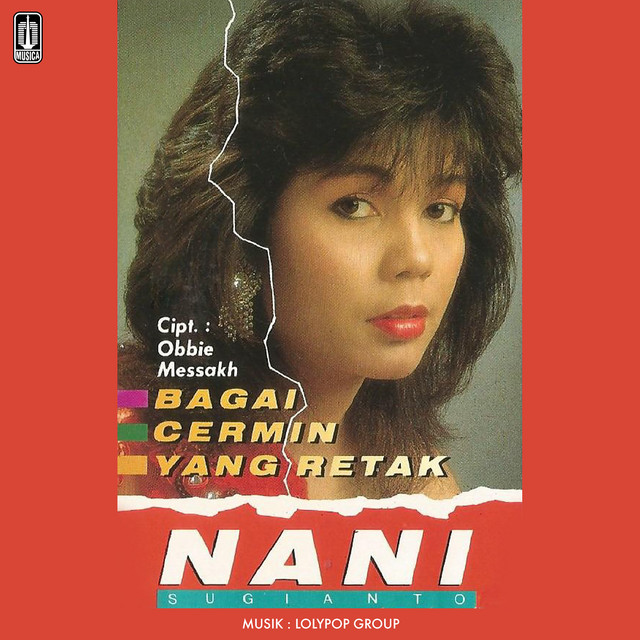
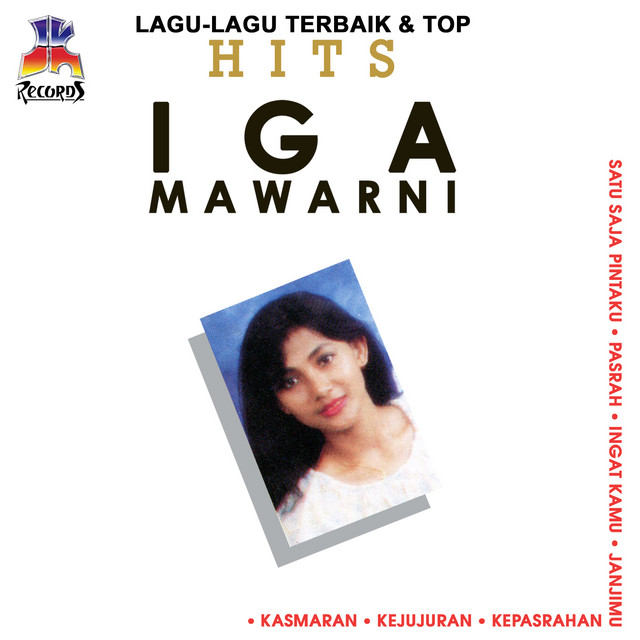
Indonesia’s city pop took shape in the 1980s as major-label studio culture, FM radio, and urban middle-class tastes converged. Drawing directly from Japanese city pop’s sophisticated songwriting and production, Indonesian musicians blended AOR, jazz-funk, disco, and soft rock into a cosmopolitan sound. Pioneers such as Chrisye, Fariz RM, Vina Panduwinata, Utha Likumahuwa, Dian Pramana Poetra, and bands like KLa Project and Karimata established the template: polished arrangements, refined harmonic language, and sleek performances aimed at radio and television variety shows.
By the 1990s and 2000s, broader pop, rock, and R&B trends took the mainstream spotlight, yet the 1980s catalog remained influential. Record collectors and crate-diggers preserved the music’s legacy, and its studio craft continued to inform Indonesian easy listening, jazz-pop, and adult contemporary sounds.
The global rediscovery of city pop—amplified by YouTube algorithms, vinyl reissues, and online archiving initiatives—sparked a local renaissance. Indonesian DJs, selectors, and producers surfaced rare 1980s gems, while new artists adopted the aesthetic with contemporary production values. Acts like Diskoria popularized the revival via collaborations that honored classic songwriting while updating grooves and sound design; contemporary singer-songwriters and arrangers (e.g., Mondo Gascaro) refined the approach with cinematic orchestration and hi-fi mixing.
Indonesian city pop now bridges eras: vintage hits coexist with new singles on streaming platforms and at live events. The style’s timeless harmony, tasteful musicianship, and relatable romantic imagery have influenced modern Indonesian pop and R&B, inspiring a wave of retro-modern tracks that keep the city pop sensibility alive for new audiences.
Aim for an elegant, urbane mood: romantic, nocturnal, and lightly danceable. Tempos often sit around 90–120 BPM, with either a gentle four-on-the-floor disco pulse or a boogie shuffle.