Your digging level
Description
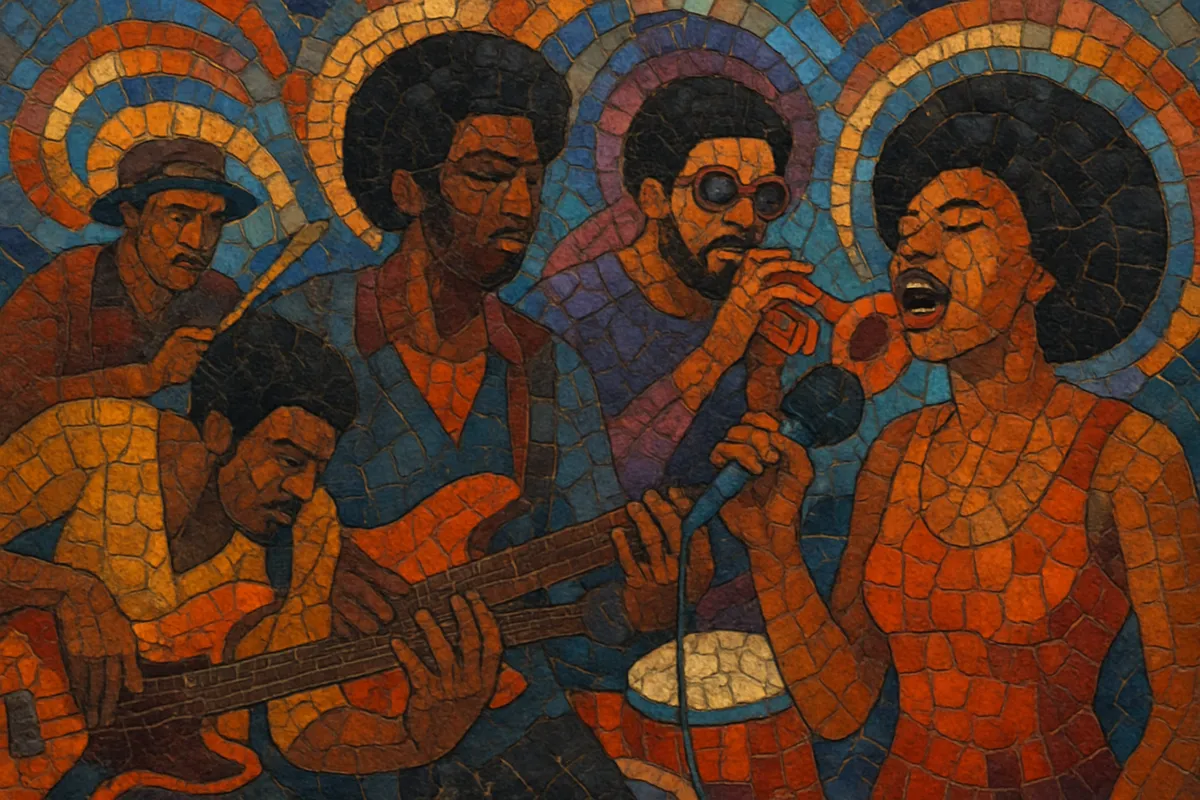
Funk is a rhythm-forward African American popular music style that centers on groove, syncopation, and interlocking parts. Rather than emphasizing complex chord progressions, funk builds tight, repetitive vamps that highlight the rhythm section and create an irresistible dance feel.
The genre is marked by syncopated drum patterns, melodic yet percussive bass lines, choppy guitar "chanks," punchy horn stabs, call‑and‑response vocals, and a strong backbeat. Funk’s stripped-down harmony, prominent use of the one (accenting the downbeat), and polyrhythmic layering draw deeply from soul, rhythm and blues, jazz, gospel, and African rhythmic traditions.
From James Brown’s late-1960s innovations through the expansive P-Funk universe and the slicker sounds of the 1970s and 1980s, funk has continually evolved while seeding countless other genres, from disco and hip hop to house and modern R&B.
History
Funk coalesced in the mid-to-late 1960s in the United States, with James Brown crystallizing the form by foregrounding rhythm over harmony. Tracks like "Papa’s Got a Brand New Bag" (1965) and "Cold Sweat" (1967) codified the emphasis on the one (downbeat), vamp-based structures, and interlocking instrumental parts. The Meters in New Orleans and Sly & The Family Stone on the West Coast advanced the sound with sparse harmonies, syncopated bass lines, and communal vocal interplay.
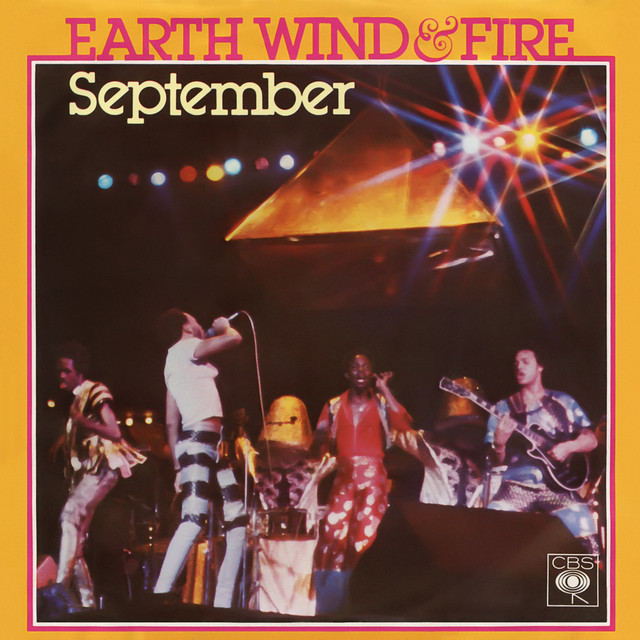
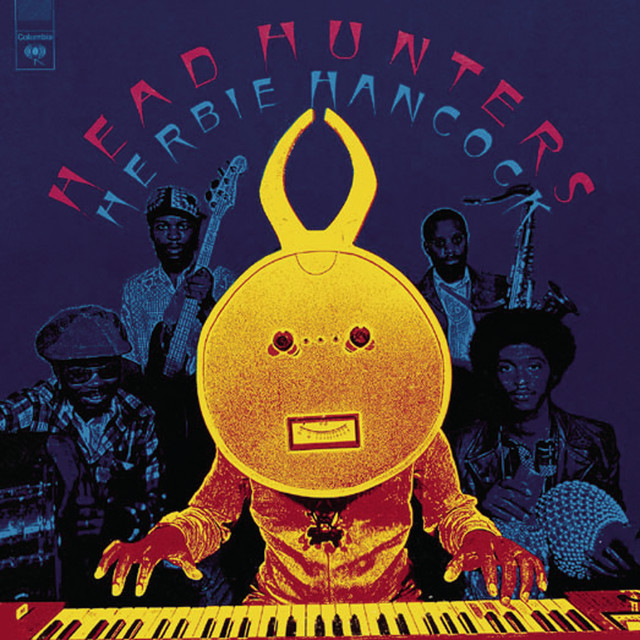
The 1970s saw funk explode stylistically and commercially. George Clinton’s Parliament-Funkadelic created a cosmic, psychedelic strain (P-Funk) with expansive arrangements, synthesizers, and theatrical concepts. Bands such as Earth, Wind & Fire, Kool & The Gang, Tower of Power, and Ohio Players popularized horn-driven grooves and sophisticated arrangements. Funk’s dance-floor power fed directly into disco, while jazz musicians fused funk rhythms with extended harmony in jazz-funk.
As disco and later hip hop rose, funk’s influence deepened. Rick James, Prince, and the Minneapolis sound brought synths, drum machines, and pop hooks to funk aesthetics. Go-go in Washington, D.C. sustained live, percussive funk traditions, while electro-funk informed early hip hop and Miami bass. Sampling of classic funk breaks (e.g., The Winstons’ "Amen, Brother") underpinned breakbeat, hip hop, and jungle. Today, funk’s DNA is audible in neo-soul, house, nu-disco, and global scenes from Brit funk to Afro-funk, affirming funk’s foundational role in modern groove-based music.
Start with a strong, steady tempo (often 90–115 BPM) and lock into the downbeat (the one). Use syncopation and ghost notes on drums, emphasizing the kick on the one, tight snares on two and four, and busy hi‑hat patterns. Keep parts interlocking: each instrument should contribute a rhythmic cell that fits like puzzle pieces with others.
Write a melodic bass line that is rhythmic, percussive, and repetitive. Favor pentatonic or Dorian note choices and rhythmic motifs that answer or propel the drums. Drums should be crisp and dry; prioritize tight mic’ing or samples with minimal reverb to preserve punch.
Use staccato, percussive guitar "chanks" on 16th‑note rhythms, often with light chorus or wah. On keys, play clavinet, Rhodes, or synth comping with short stabs and riffs. Keep harmony simple (one- or two-chord vamps), focusing on rhythmic variation and call‑and‑response.
Write concise horn lines that accent syncopations and mark sectional transitions. Arrange in layers: rhythm section lays the groove, guitars/keys add rhythmic color, horns punctuate, and vocals ride above with hooks and responses.
Use call‑and‑response, group chants, and catchy refrains. Lyrics often celebrate dance, community, swagger, social commentary, or playful storytelling. Keep phrasing rhythmic; let the voice act like another percussion instrument.
Aim for dryness and clarity; prioritize transients and pocket. Quantize lightly (or not at all) to preserve human feel. Leave space in the mix so each interlocking part is audible, and carve frequencies to keep kick, bass, and snare dominant.