Your digging level
Description
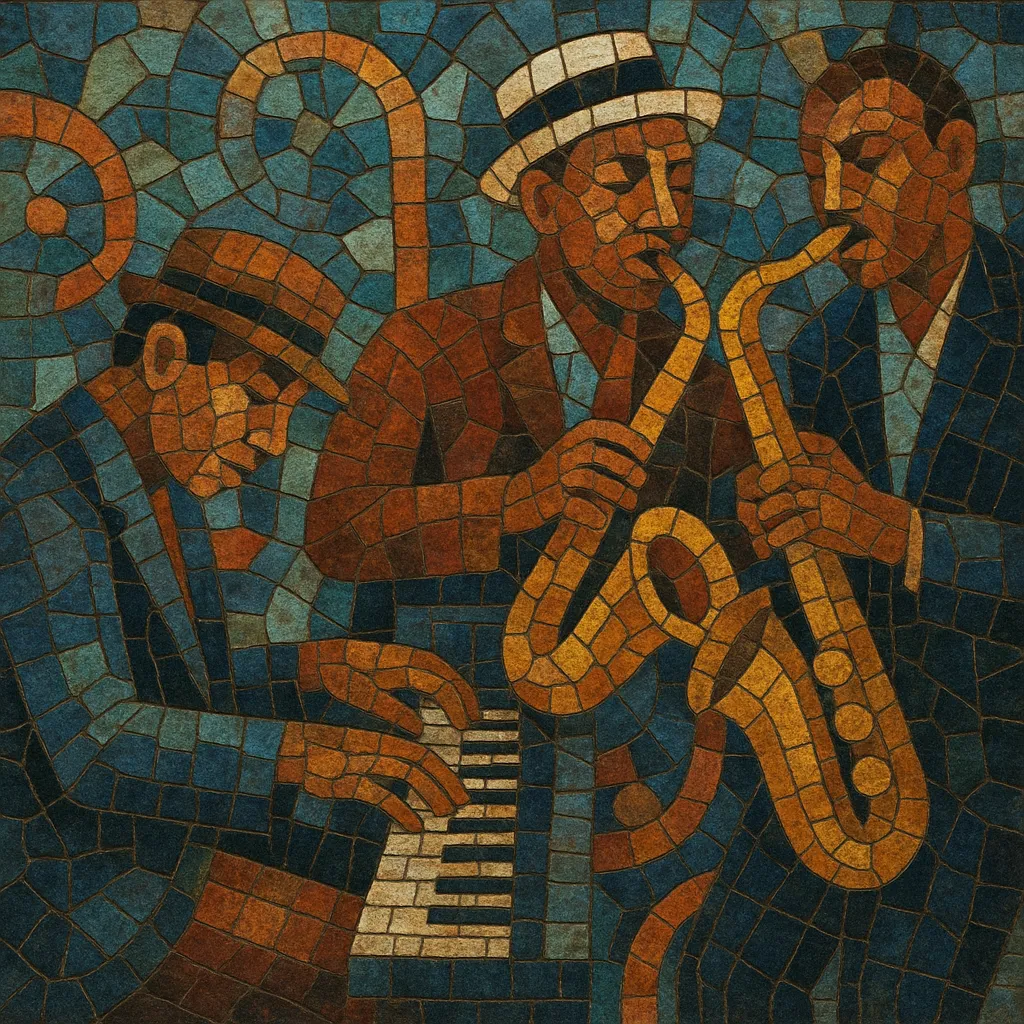
New Orleans blues is a piano- and horn-driven branch of postwar blues that developed in the clubs and studios of New Orleans. It blends the city’s brass-band and parade traditions with the relaxed swing of jazz, the rolling left-hand figures of boogie-woogie, and the clipped, syncopated “second‑line” feel rooted in Afro-Caribbean rhythms.
Characterized by lilting triplet feels, tresillo/habanera accents, and a light yet insistent backbeat, the style favors catchy horn riffs, rolling piano patterns, and conversational, good-natured vocals. Compared with harsher urban blues styles, New Orleans blues feels breezier and more danceable, often straddling an early rhythm-and-blues sound that directly fed rock and roll.
History
New Orleans blues coalesced in the 1940s as local pianists and bands absorbed boogie‑woogie and jump‑blues energy into the city’s longstanding jazz and brass‑band culture. The tresillo/habanera pulse—long present in New Orleans through Caribbean exchange—mixed with swing rhythm to produce a relaxed yet danceable feel. Clubs, bars, and parades provided the performance ecosystem, while early radio exposure helped circulate the sound.
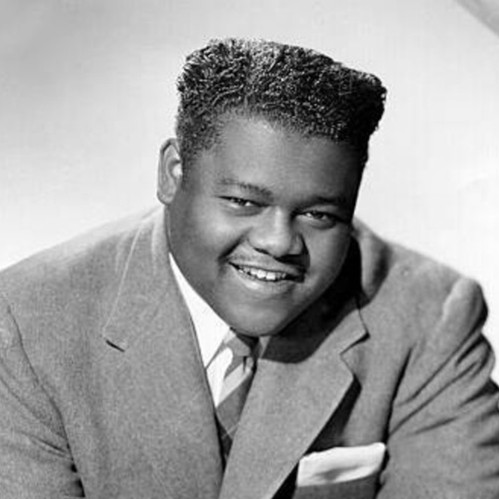
The postwar recording boom cemented the style. At Cosimo Matassa’s J&M studio, producer/arranger Dave Bartholomew helped craft crisp horn charts and fat rhythm sections that defined the city’s sound. Pianists like Professor Longhair distilled second‑line rhythms into rolling, idiosyncratic grooves, while artists such as Fats Domino smoothed the style into crossover hits that still retained its piano-forward, triplet feel.
By the early 1950s, New Orleans blues overlapped with what became known as rhythm and blues. The city’s records—hooky, mid‑tempo, and horn‑punctuated—were foundational to early rock and roll. The buoyant rhythmic profile and approachable songwriting bridged barroom blues, radio‑friendly R&B, and the burgeoning rock sound heard nationwide.
Even as rock, soul, and funk rose, New Orleans musicians carried the city’s blues DNA forward—into swamp pop, New Orleans R&B, and the groove‑centric funk that later defined the city in the late 1960s and 1970s. Periodic revivals, festivals, and the continued prominence of local pianists and bands have kept the tradition audible in contemporary roots, Americana, and blues contexts.
Use a piano-centric rhythm section (piano, upright/electric bass, drums) with guitar for rhythm fills and small horn sections (tenor/alto sax, trumpet) for riffs and responses. Keep amplification warm and punchy; aim for tight, disciplined horn stabs rather than long solos.
Build grooves around a triplet feel with second‑line syncopation. Emphasize tresillo/habanera accents (e.g., long–short–short) within a swung 4/4. Drums should balance a light shuffle or backbeat with syncopated snare/hi‑hat ghost notes; bass locks into walking or two‑feel patterns that support the piano’s left hand.
Let the piano lead: rolling boogie‑woogie left‑hand figures and right‑hand triplet licks are central. Favor 12‑bar blues or 8/16‑bar variants using I–IV–V with frequent dominant extensions (9ths, 13ths) and occasional secondary dominants. Keep voicings bright and percussive to blend with horns.
Write concise vocal hooks and call‑and‑response lines between voice, piano, and horns. Horns should play punchy, memorable riffs, often outlining blues tones (flat 3rd, flat 5th, flat 7th) and reinforcing turnarounds.
Use conversational, good‑humored storytelling focused on everyday life, love, neighborhoods, and nightlife. Aim for relaxed, personable delivery with clear phrasing that rides the groove.