Your digging level
Description
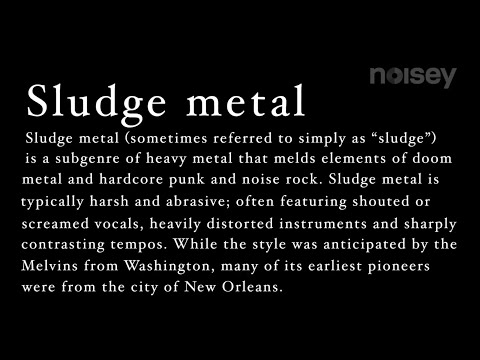
NOLA sludge is a regional strain of sludge metal rooted in New Orleans, Louisiana ("NOLA"). It fuses the crawling weight of doom metal with the feral urgency of hardcore punk, then soaks it in humid, blues-drenched Southern grit. The result is a sound that feels both swampy and abrasive: thick, downtuned guitars, blown‑out bass, and drums that lurch between half‑time trudges and sudden, violent bursts.
Characteristically, NOLA sludge leans into feedback, dissonant blues riffs, and a raw, live-in-the-room production aesthetic. Vocals tend toward caustic shouts or anguished bellows, with lyrics that often reflect addiction, poverty, spirituality, and the hard realities of Gulf Coast life. While sharing DNA with stoner and Southern metal, NOLA sludge is generally nastier, more misanthropic, and more indebted to local blues and New Orleans’ musical undercurrents.
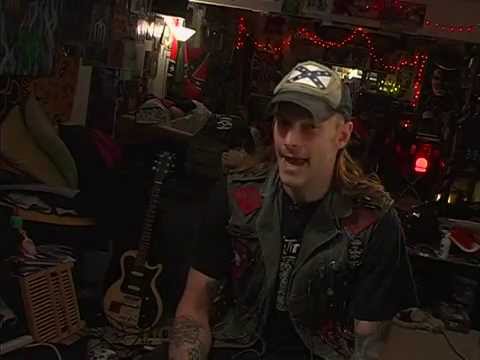
![NOLA Underground Music Documentary (Down, Crowbar, Acid Bath, Soilent Green) [1995]](https://i.ytimg.com/vi/xpsA4En1MAk/hqdefault.jpg)
History
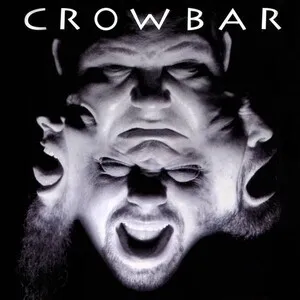
New Orleans’ metal underground coalesced around a shared love for doom’s weight and hardcore’s volatility. Bands like Eyehategod (formed 1988) and Crowbar (evolving from earlier local acts in the late ’80s) distilled a uniquely Gulf Coast heaviness—combining blues-descended riffs, noisy dissonance, and street-level aggression—into what became known as the NOLA sound.
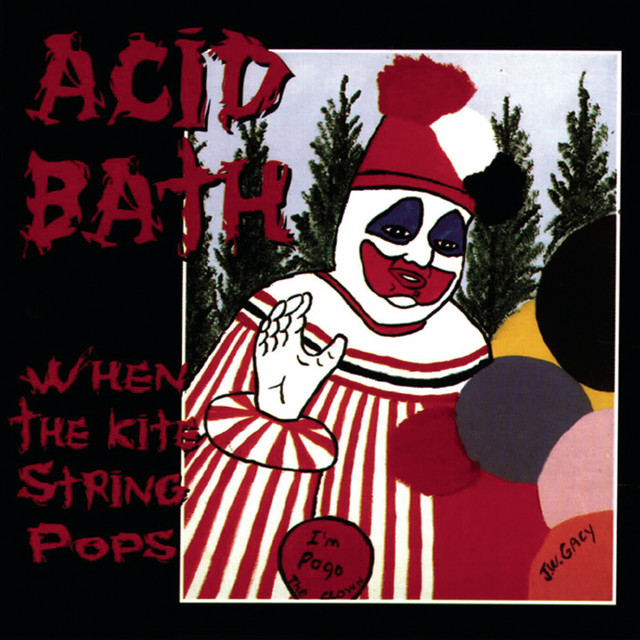
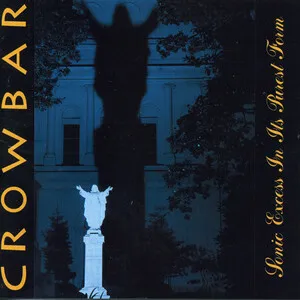
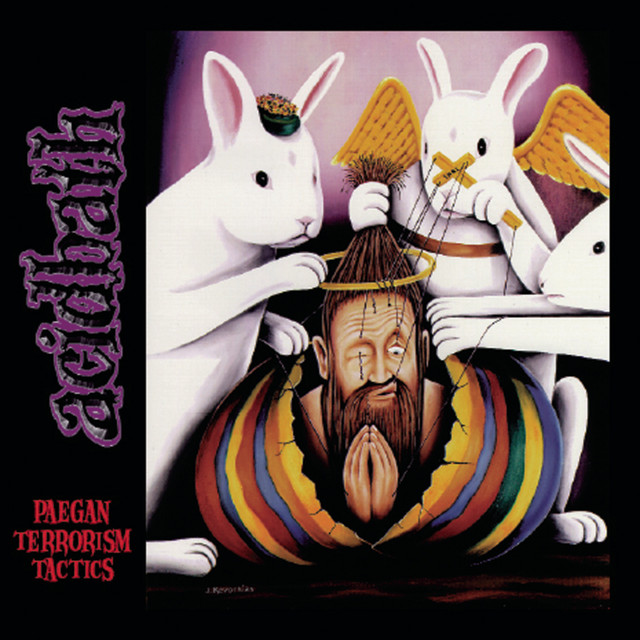
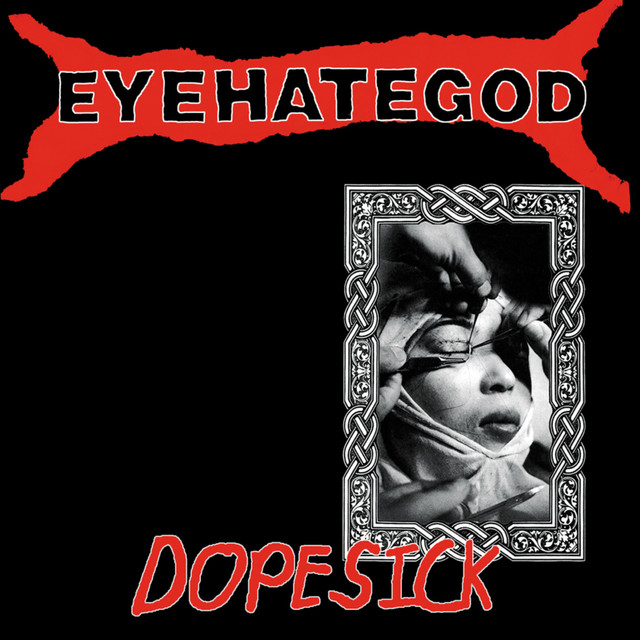
The early–mid ’90s crystallized the style. Eyehategod’s In the Name of Suffering (1990) and Take as Needed for Pain (1993) set a template of feedback-scarred, bluesy violence. Crowbar’s self-titled (1993) and later Odd Fellows Rest (1998) pushed a sorrowful, sledgehammer groove. Acid Bath’s When the Kite String Pops (1994) and Paegan Terrorism Tactics (1996) added psychedelic unease and Southern gothic lyricism. Down’s NOLA (1995) brought broader attention, threading sludge with Southern metal swagger, while Soilent Green injected grindcore ferocity into the regional mix.
The scene endured personal tragedies and the devastation of Hurricane Katrina (2005), which displaced musicians and venues. Even so, core bands regrouped, new acts emerged, and small labels, DIY venues, and touring networks kept NOLA sludge alive. The period underscored the music’s themes—survival, grief, and defiance—while the sound remained raw and unvarnished.
A new generation (e.g., Thou) carried the torch with slower, bleaker permutations, while veterans (Eyehategod, Crowbar, Down) continued to record and tour. Internationally, the NOLA approach—blues-rooted doom with hardcore bite—shaped strands of Southern metal, stoner/doom, and heavier offshoots of post‑metal and drone. The term “NOLA sludge” now denotes both a place and an ethos: humid, grim, and unflinchingly real.