Your digging level
Description
Grindcore is an extremely fast, abrasive fusion of hardcore punk and extreme metal characterized by blast-beat drumming, highly distorted down-tuned guitars, and a mix of guttural growls and high-pitched screams. Songs are typically very short—often under two minutes and sometimes just seconds—favoring intensity over traditional verse–chorus structures.
Lyrically, grindcore spans politically charged and socially conscious themes (war, capitalism, animal rights) as well as gore and body horror (particularly in goregrind). Production ranges from raw, live-in-the-room ferocity to tight, modern clarity. The style is defined by relentless speed, dissonant or chromatic riffing, and sudden start–stop shifts that create a feeling of controlled chaos.


History
Grindcore coalesced in the mid-1980s in the United Kingdom, with Birmingham serving as a key nexus. Napalm Death’s early work, particularly the 1987 debut "Scum" (Earache Records), defined the template: ultra-short songs, blast beats, and politicized lyrics. Drummer Mick Harris is widely credited with coining the term "grindcore" to describe the music’s grinding, relentless feel. Parallel developments occurred in the United States—Repulsion’s material (recorded in 1986, released as "Horrified" in 1989) and Terrorizer’s "World Downfall" (1989) were pivotal transatlantic statements.
BBC Radio 1’s John Peel championed Napalm Death with multiple Peel Sessions, bringing unprecedented underground exposure (e.g., the micro-song "You Suffer"). Early UK peers like Extreme Noise Terror merged crust punk ferocity with grind’s velocity, further cementing the sound.
Earache Records (UK) provided an early home for grind and adjacent extreme metal, releasing seminal albums and the scene-defining compilation "Grindcrusher" (1989). In the U.S., Relapse Records (founded 1990) became a major hub, nurturing American grind and its offshoots. DIY networks, tape trading, and international fanzines knit together scenes from the UK, US, and Japan (e.g., S.O.B.), enabling rapid stylistic cross-pollination.
The 1990s saw refinement and expansion. Brutal Truth’s "Extreme Conditions Demand Extreme Responses" (1992) and "Need to Control" (1994) pushed technicality and sonic experimentation. Sweden’s Nasum ("Inhale/Exhale," 1998) and Finland’s Rotten Sound helped codify a crisp, modern Scandinavian grind sound. Meanwhile, Carcass’s early gore-saturated grind influenced the goregrind offshoot, while bands like Agathocles helped crystallize mincecore’s more d-beat-leaning, politically charged approach.
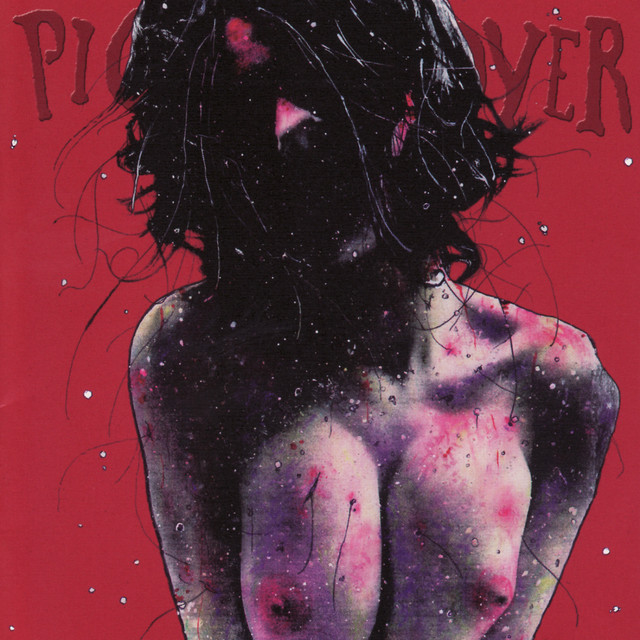
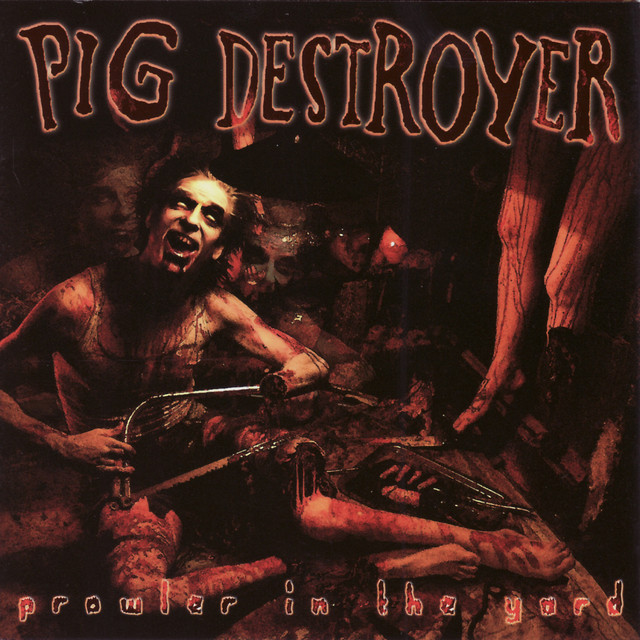
The 2000s delivered both studio sophistication and experimental extremity: Pig Destroyer’s "Prowler in the Yard" (2001) explored narrative horror with razor-sharp production, while Agoraphobic Nosebleed and other acts pioneered cybergrind’s drum-programmed velocity. In Asia, Singapore’s Wormrot spotlighted a new generation of concise, hook-sharp grind. The genre remains globally distributed, sustained by DIY ethics, boutique festivals, and a steady flow of micro-releases, splits, and EPs.
Grindcore’s blast beats, micro-song aesthetics, and political urgency reshaped extreme music. It directly seeded substyles like goregrind, pornogrind, cybergrind, and mincecore, and its rhythmic extremity and dissonant language influenced powerviolence and facets of mathcore. Its cultural footprint endures through persistent underground networks and the continued innovation of new waves of bands.