Your digging level
Description
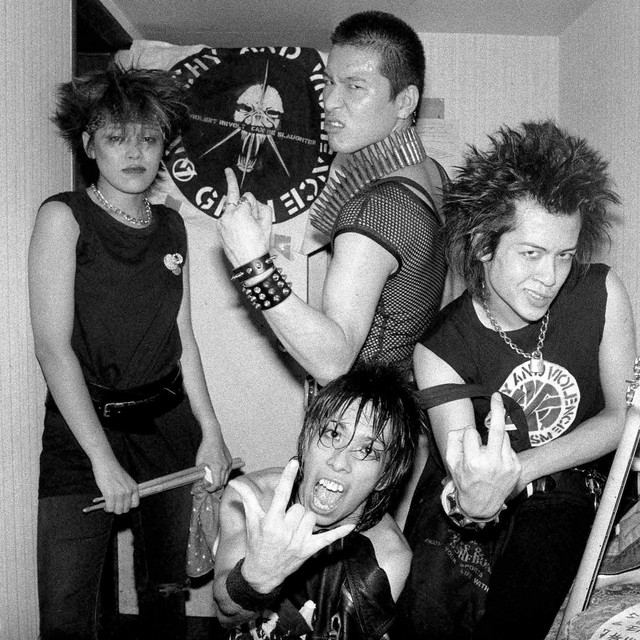
Japanese hardcore (often nicknamed "Japcore") is a blisteringly fast, highly disciplined strain of hardcore punk that emerged in Japan in the early 1980s.
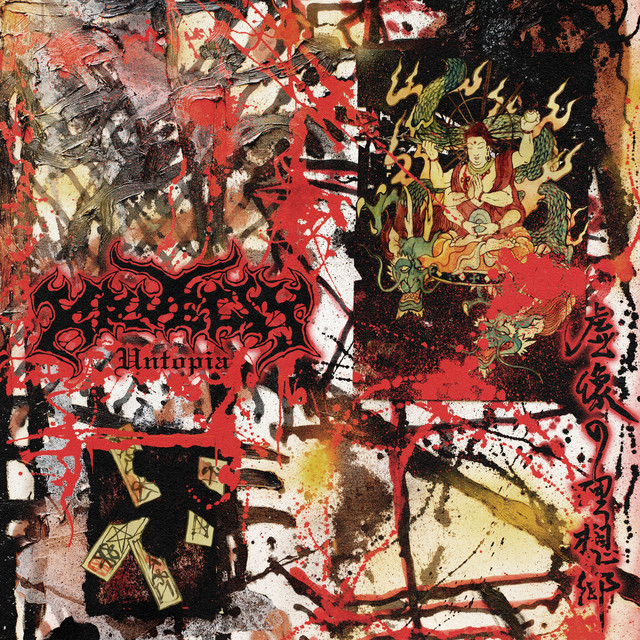
It blends the velocity and political bite of UK82 and D‑beat with an aggressive, razor‑edged guitar sound, ferocious drumming, and shouted Japanese vocals. Within the umbrella are distinct currents: a chaotic, noise‑soaked approach (exemplified by Kyushu acts like Confuse) and the melodic, triumphant lead‑guitar style often called the "Burning Spirits" sound (Death Side, Forward, Paintbox). DIY ethics, underground live houses, flexi‑disc culture, stark collage artwork, and a relentless live intensity define the scene.
Lyrically, it ranges from anti‑authoritarian and anti‑war themes (often referencing nuclear anxiety) to personal struggle and communal resilience. The result is hardcore that is simultaneously raw, disciplined, and emotionally cathartic.


History
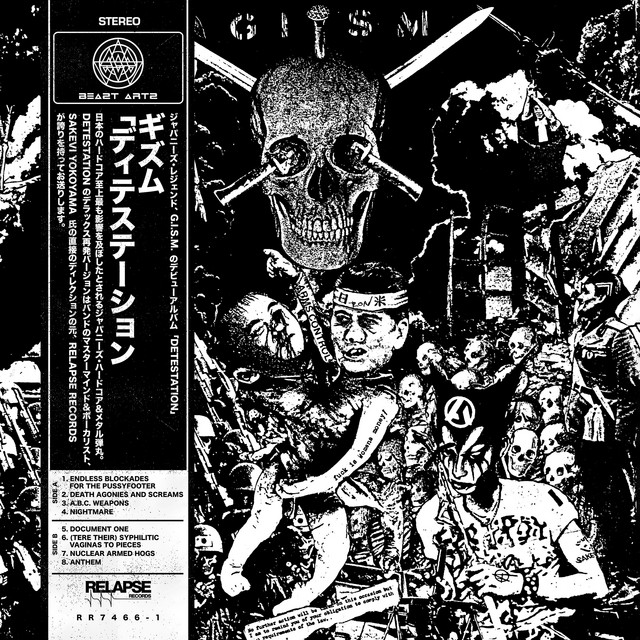
Japanese hardcore coalesced in the early 1980s as Japanese punks absorbed the speed and urgency of UK82, Discharge‑style D‑beat, and the raw edge of Oi! and anarcho‑punk. Bands like Gauze (formed 1981), GISM (1981), and Lip Cream set the template: breakneck tempos, scathing guitars, and disciplined tightness. Small labels (e.g., ADK/Dogma, Selfish Records) and zines fostered a tight DIY network, while flexi‑discs and 7" EPs became key formats for rapid scene communication.
Regional flavors multiplied. The Kyushu “noise” strain (Confuse, Kuro, Gai) embraced extreme treble‑heavy distortion and chaotic textures, a blueprint for later crasher‑crust and noisegrind aesthetics. Simultaneously, Tokyo’s emerging “Burning Spirits” axis pushed soaring, anthemic guitar leads without sacrificing speed (the roots of what many abroad identify as the distinct Japanese hardcore feel). International split EPs and tours connected the scene to global punk networks.
The 1990s produced canonical recordings and a durable live infrastructure in Tokyo and Osaka live houses. Death Side, Bastard, and Systematic Death influenced a generation with hyper‑tight playing, granite‑hard rhythm sections, and melodic twin‑guitar motifs. Labels like MCR Company and HG Fact helped document the era. S.O.B. bridged into grindcore and crossover thrash, while Disclose codified an ultra‑raw D‑beat worship sound that later fueled a worldwide revival.
Veterans (Forward, Paintbox) and newer acts (Framtid, Crude, Warhead) kept the flame with relentless gigging and meticulous musicianship. International recognition grew via reissues, festival slots, and discography LPs, while collectors and younger bands worldwide embraced Japanese aesthetics—from sleeve art and flexis to the treble‑bitten guitar tone and precise drumming. Today, Japanese hardcore remains a benchmark for intensity, tightness, and sincerity in global punk.



Top albums