Your digging level
Description
Anarcho-punk is a politically charged strand of punk that explicitly promotes anarchist and anti-authoritarian ideas. Emerging in the late 1970s United Kingdom, it fused the speed and abrasion of punk with an uncompromising DIY ethic, collective organization, and a culture of zines, benefit gigs, and independent labels.
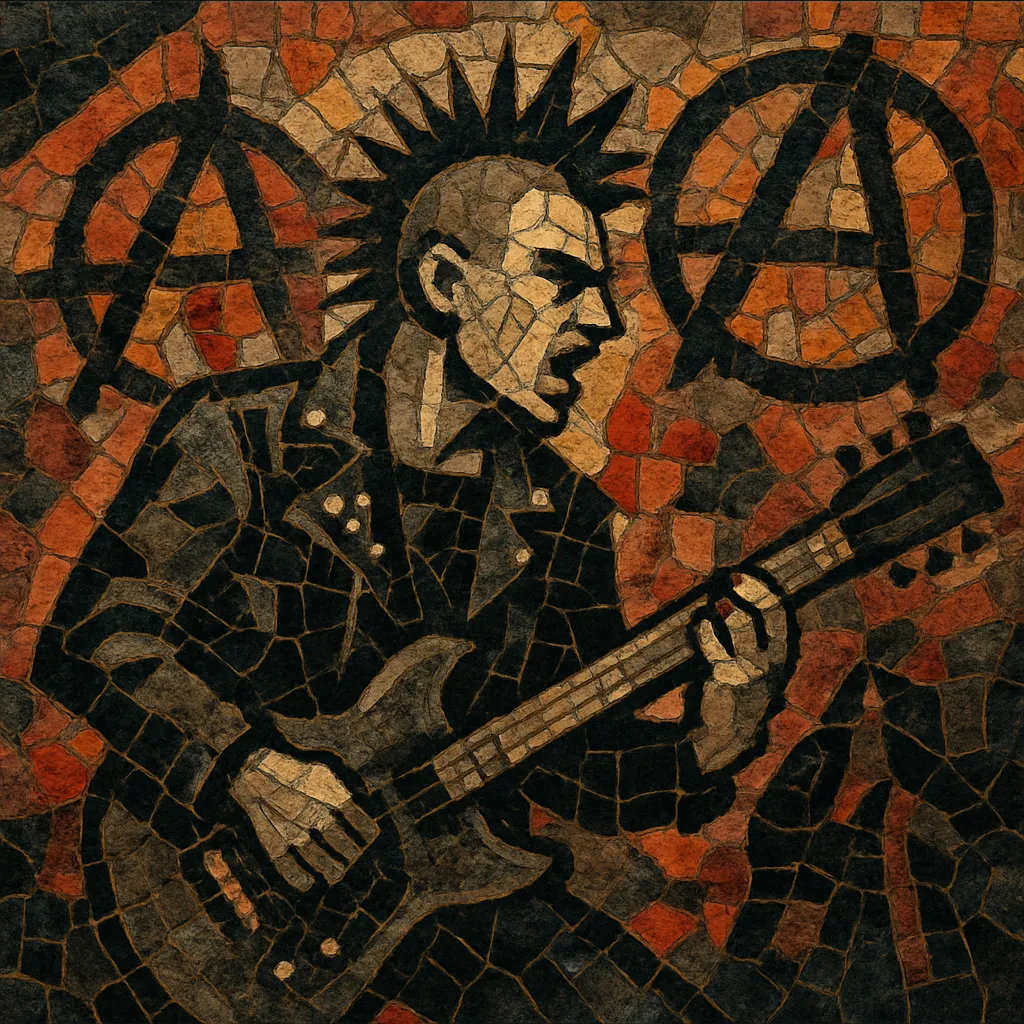
Musically, anarcho-punk leans on raw guitars, driving 4/4 rhythms, shouted or chant-like vocals, and concise song forms, but it often incorporates spoken-word, noise, sound collage, and experimental interludes to underscore its messages. Lyrically, it addresses anti-war and anti-nuclear activism, animal liberation, environmentalism, anti-capitalism, feminism, and social justice. Its stark black-and-white stencil aesthetic—iconic in sleeves, patches, and posters—became as recognizable as its sound.
History
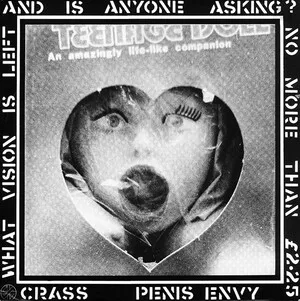
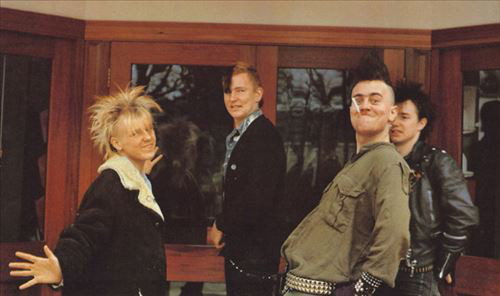
Anarcho-punk crystallized in the United Kingdom at the end of the 1970s, with Crass as a catalytic force. Based at the Dial House collective, Crass combined abrasive punk with poetry, sound collage, and stark visual art (Gee Vaucher), releasing The Feeding of the 5000 (1978) and Stations of the Crass (1979). Crass Records, run on strict DIY, not-for-profit principles, became a hub for like-minded bands and set the template for zine culture, benefit compilations, and autonomous organization.
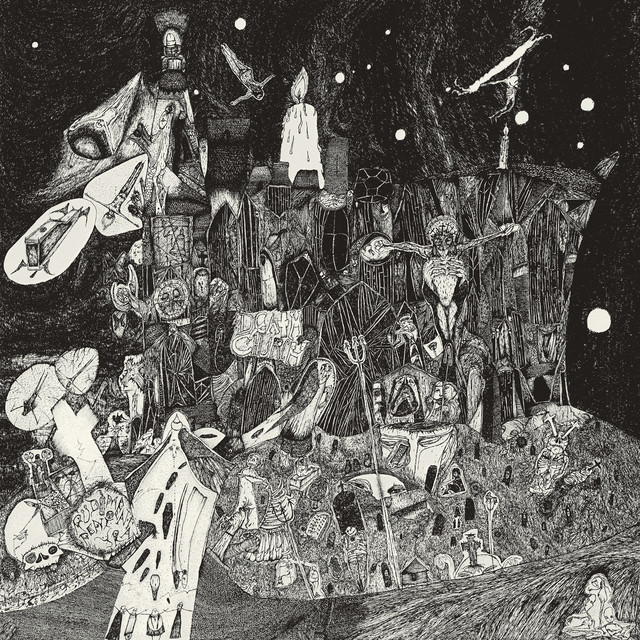
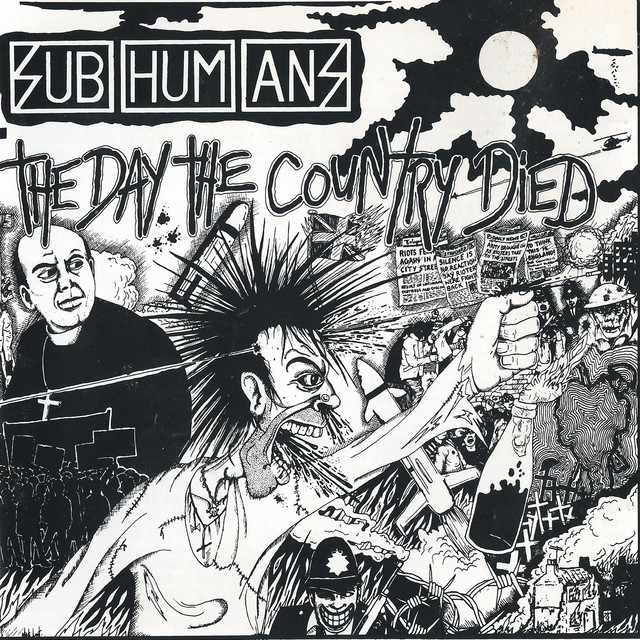
A wave of groups—Poison Girls, Flux of Pink Indians, Subhumans, Zounds, The Mob, Rudimentary Peni, and Antisect—helped define the scene’s sound and politics. Bands were tightly connected to peace and anti-nuclear movements (e.g., Greenham Common Women’s Peace Camp), anti-war activism, animal rights, squatting culture, and direct action (e.g., Stop The City protests). Discharge’s ferocious, militaristic rhythms (later dubbed d-beat) intersected with anarcho-punk’s politics, while Amebix and Antisect pushed a heavier, darker direction that foreshadowed crust punk.
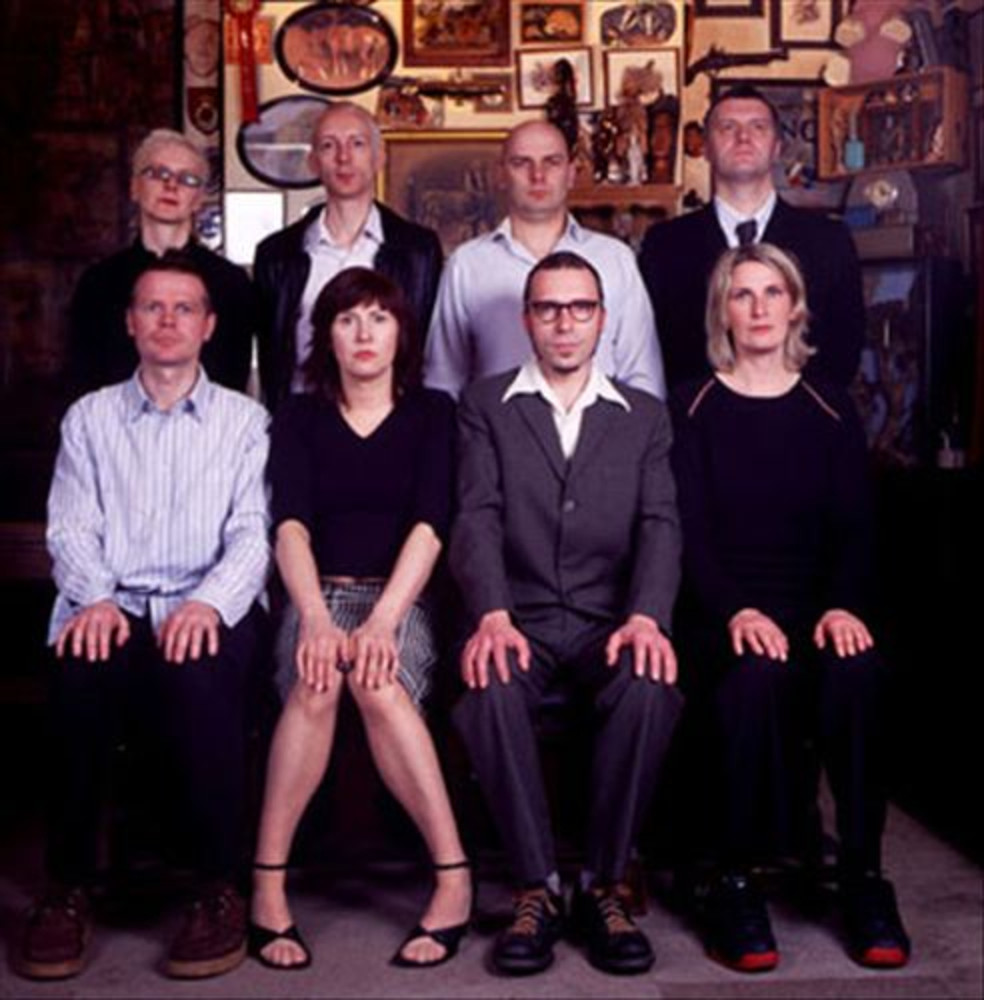
As some original bands dissolved, the ethos spread internationally. The scene influenced and intertwined with crust punk, grindcore, and later political DIY movements across Europe, North America, and Latin America. Chumbawamba’s trajectory—from anarcho-collective roots to mainstream visibility—illustrated strategic debates about engagement versus independence while maintaining a strong activist lineage.
Anarcho-punk’s practices—DIY labels, autonomous spaces, benefit compilations, and open-access distribution—anticipated contemporary independent ecosystems. Newer bands continue the tradition, leveraging digital platforms while retaining zines, patches, and benefit shows. Its political toolkit (mutual aid, anti-fascism, environmental justice, animal liberation, queer and feminist punk) remains a living practice as much as a sound.