Your digging level
Description
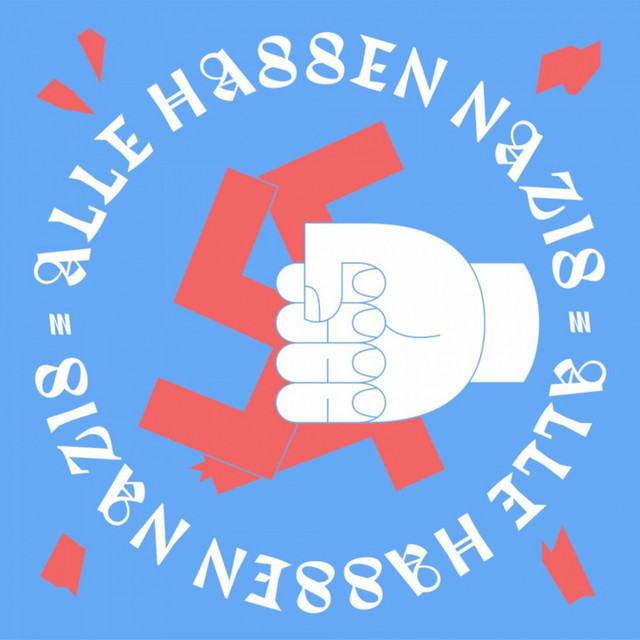
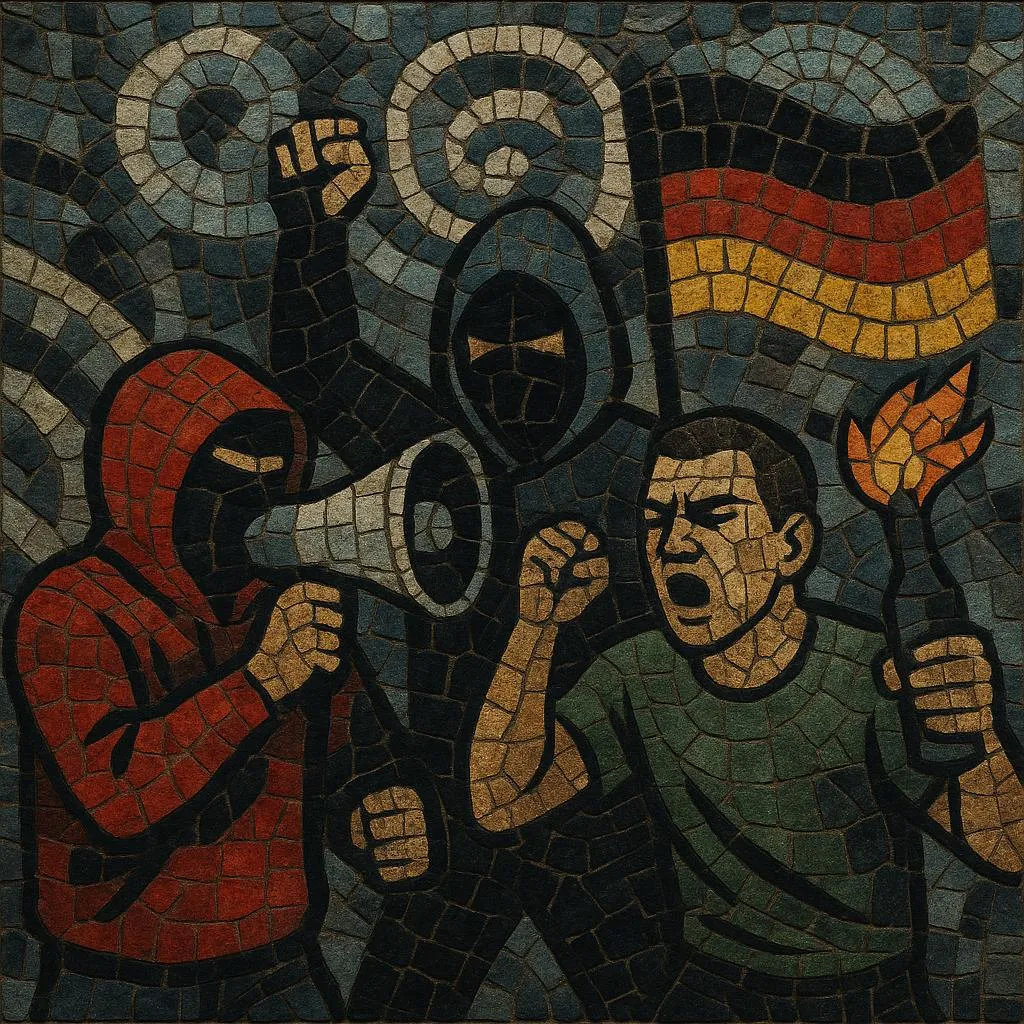
Antideutsche is less a fixed musical style than a German scene and lyrical current associated with the "Anti-German" (anti-nationalist) tendency of the radical left that took shape after reunification.
Across punk, electropunk, indie rock and German-language hip hop, it privileges explicitly anti-fascist, anti-nationalist, anti-antisemitic, and cosmopolitan themes. Texts often critique chauvinism, conspiracy thinking, and left-nationalist reflexes, while expressing solidarity with minorities and a pro-Israel stance. Musically, it swings between high-energy punk backbeats and four-on-the-floor drum-machine patterns, distorted synth bass and noisy guitars, chant-like hooks, and talk-sung or rapped verses that keep political messaging front and center.
Production aesthetics range from raw DIY punk to club-forward electropunk with saturated drums, clipped vocal shouts, and sample-based interludes (news bites, slogans), aiming for immediacy, confrontation, and dance-floor momentum.
History
The Antideutsche current emerged in Germany’s post-reunification left as a reaction to rising nationalism, xenophobic violence, and the persistence of antisemitism. In youth culture and indie/punk circuits, bands and DIY spaces began to articulate this stance in lyrics, zines, and shows. Early touchpoints came from German punk and the intellectual Hamburg School (Hamburger Schule), which framed critical, anti-national discourse in pop and rock.
In the early 2000s, the scene became strongly audible in electropunk and indie-electronic circles—especially around DIY nights and labels that fused punk’s oppositional ethos with dance-floor pragmatism. The mix of four-on-the-floor kicks, shouted slogans, and rap-adjacent delivery shaped a club-ready yet politically pointed sound that spread from Berlin and Hamburg to other German-speaking hubs.
German underground rap and alternative hip hop increasingly absorbed Antideutsche themes: anti-authoritarian lyrics, critique of nationalist narratives, and solidarity politics. Cross-genre collaborations (punk bands with MCs, indie acts with beatmakers) normalized a hybrid sound: distorted synths and guitars undergirding chantable, slogan-heavy hooks.
Today, “antideutsche” remains a scene descriptor and lyrical/political orientation more than a strict sonic rulebook. It continues to animate pockets of punk, indie, and club culture, prioritizing anti-fascist organizing, critical memory politics, and cosmopolitanism. Musically, it retains its split DNA: raw punk energy and dance-oriented electropunk/hip hop hybrids designed for both pit and floor.