Your digging level
Description
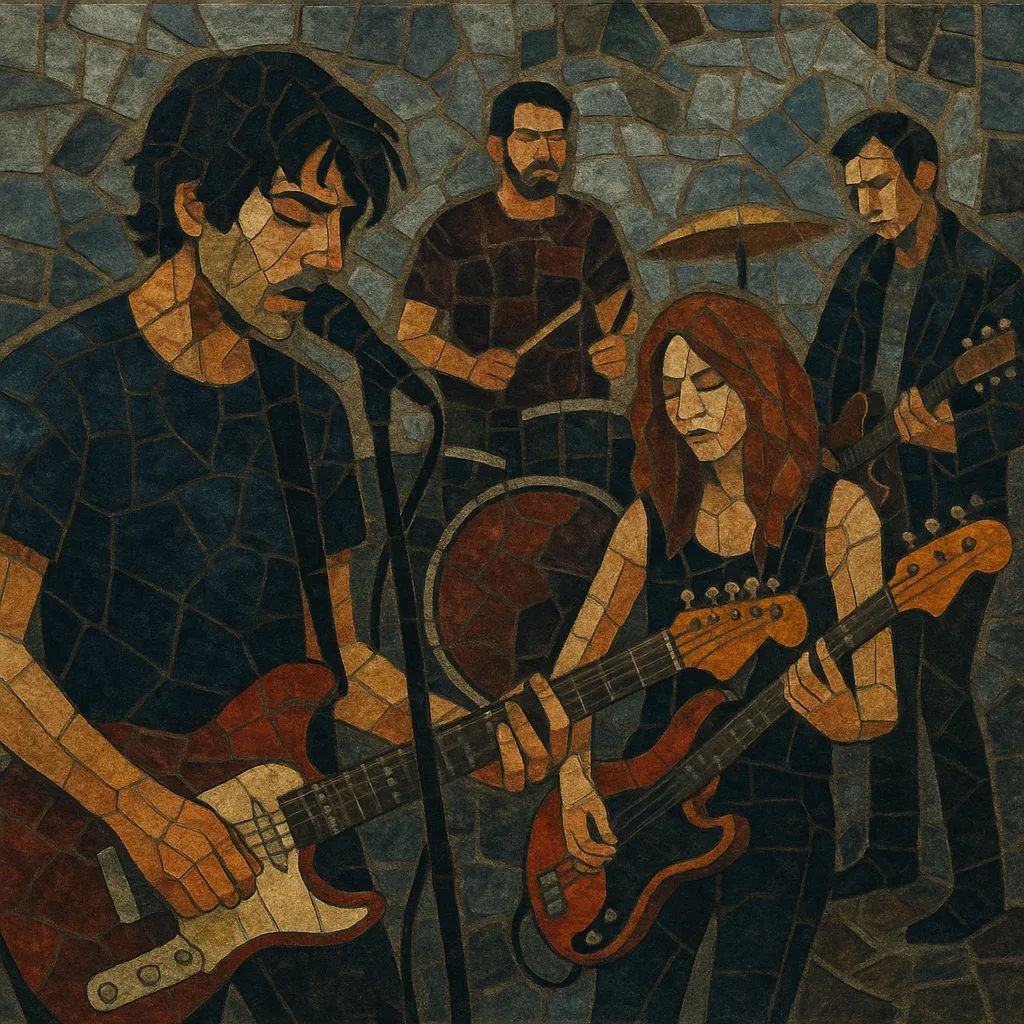
Indie rock is a subgenre of rock and a branch of alternative rock that coalesced in the early–mid 1980s around independent labels and DIY practices in the United Kingdom, the United States, and New Zealand.
Defined less by a single sound than by an ethos, indie rock favors non‑mainstream approaches, self‑recording and small‑label distribution, and an interest in pop‑informed melody and eclectic experimentation. Hallmarks include jangly or fuzzed guitars, intimate or deadpan vocals, off‑kilter song structures, and production that often preserves a raw, “authentic” feel rather than glossy studio polish.


History
Indie rock emerged simultaneously in several Anglophone scenes as bands chose independent labels and low‑budget recording over the mainstream industry. In the UK, post‑punk’s experimental spirit, the C86 cassette culture, and labels like Rough Trade and 4AD nurtured a jangly, literate strain. In the US, college‑radio “college rock,” SST/Matador/Merge networks, and a DIY touring circuit linked regional scenes. In New Zealand, the “Dunedin Sound” around Flying Nun Records offered chiming guitars and homespun aesthetics that became globally influential.
During the 1990s, indie rock diversified: lo‑fi auteurs and noise‑leaning guitar bands coexisted with melodic, reflective writers. While alternative rock’s boom briefly blurred lines with the mainstream, many indie artists maintained small‑label independence and anti‑corporate stances. Zines, community radio, and independent record shops sustained the culture, while international exchange (via touring and imported vinyl/CDs) knitted scenes together.
Online blogs, forums, and MP3 culture accelerated discovery, enabling rapid global circulation of new bands. A wave of garage/post‑punk revival groups, orchestral/collective projects, and art‑pop traditionalists refreshed guitar rock’s vocabulary while preserving indie’s DIY core. Independent festivals and boutique labels expanded, and sync licensing provided new revenue without abandoning creative control.
Streaming platforms and bedroom production further democratized release pathways. Indie rock hybridized with electronics (indietronica), folk (indie folk), dream pop, and post‑rock textures, yet its defining features—independence of approach, pop‑savvy melody, and eclectic experimentation—remain intact. Archival reissues and new bands alike keep the transatlantic lineage (UK/US/NZ and beyond) active.