Your digging level

For this genre
0/8
🏆
Sign in, then listen to this genre to level up

Description

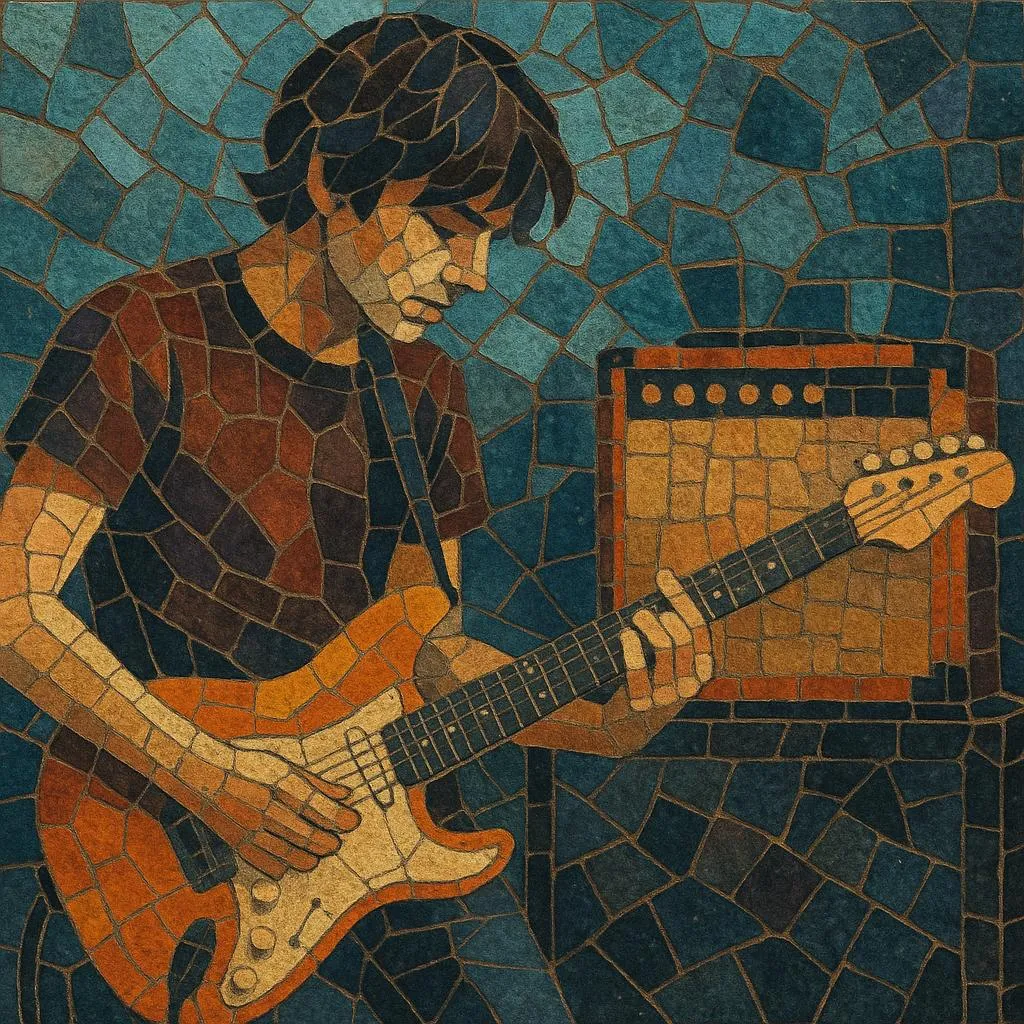
Indie pop rock blends the melodic immediacy and hook-writing of pop with the guitars, DIY ethos, and sonic textures of indie rock. It favors bright, singable choruses, jangly or lightly overdriven guitars, crisp drums, and bass lines that carry both groove and melody.

Compared with straight indie rock, indie pop rock leans more deliberately into accessible song structures and earworm refrains, while retaining an independent spirit in production choices, lyrical perspective, and aesthetics. Compared with mainstream pop rock, it is typically lighter, more literate or introspective in its lyricism, and more willing to incorporate lo‑fi edges, quirky arrangement touches, and college‑radio sensibilities.


Sources: Spotify, Wikipedia, Discogs, RYM, MB, user feedback and other online sources

History

Origins (1980s–1990s)

Indie pop rock’s roots lie in the UK’s 1980s indie pop (C86 tape culture, Sarah/Creation Records) and US/UK indie rock scenes, alongside power pop and new wave. These currents normalized the idea that catchy, guitar‑centric songs could thrive outside major‑label formulas, emphasizing jangly guitars, literate lyrics, and DIY production.

In the 1990s, alternative rock’s rise and Britpop’s melodic swagger proved that pop‑forward hooks and guitar bands were compatible, further priming a generation of artists to write concise, radio‑friendly songs without abandoning indie credibility.

2000s: Blog era and festival boom

The early 2000s blogosphere and college radio accelerated discovery of tuneful indie acts. Bands such as The Shins, Death Cab for Cutie, Phoenix, and The Kooks stitched together bright guitars, conversational vocals, and instantly memorable choruses, while festivals (Coachella, Reading/Leeds) helped canonize the sound. Digital storefronts and MP3 blogs helped export it globally, yielding parallel waves in North America and Europe.

2010s: Streaming crossover and polish

As playlists and algorithmic discovery took hold, indie pop rock further polished its production—tighter drum sounds, side‑chain‑friendly bass, and selective synth layers—without losing guitar DNA. Groups like Vampire Weekend, Two Door Cinema Club, The 1975, and Foster the People delivered hook‑dense albums that lived comfortably on both alt‑radio and mainstream pop playlists. The era also saw deeper cross‑pollination with synthpop, disco revival, and bedroom pop aesthetics.

2020s: Hybridization and global reach

Indie pop rock remains a flexible toolkit: crisp, uptempo grooves and gleaming hooks now show up in scenes from Latin America to East Asia. Artists frequently blend indie guitars with dance rhythms, retro synths, or R&B gloss, while the core recipe—economical songwriting, charismatic vocals, and chorus‑first thinking—continues to anchor the style.

How to make a track in this genre

Core instrumentation
•   Electric or acoustic rhythm guitar with a clean or lightly driven tone (chorus/jangle or tight palm‑mutes in verses). •   Melodic bass that outlines chord roots but adds passing tones and hooks. •   Tight, punchy drums: dry snares, controlled room, four‑on‑the‑floor or syncopated indie grooves (110–140 BPM common). •   Optional keys/synths for pads, arpeggios, or countermelodies; occasional percussion (handclaps, tambourine) to lift choruses.
Harmony and structure
•   Favor major keys or modal mixture for brightness (I–V–vi–IV, vi–IV–I–V, or I–IV–V progressions are common). •   Compact forms: verse–pre–chorus–chorus, with a middle‑eight/bridge that introduces a contrasting harmony or texture. •   Keep arrangements lean; drop elements in verses, stack harmonies and doubles in choruses for lift.
Melody and lyrics
•   Center the topline: write singable, stepwise melodies with a strong, repeatable chorus hook. •   Lyrics balance intimacy and universality—youthful nostalgia, city vignettes, relationships, self‑reflection—delivered in a conversational tone. •   Use call‑and‑response backing vocals or gang harmonies to amplify refrains.
Production aesthetics
•   Bright, forward vocal mix; gentle tape/console saturation for warmth; minimal bus compression to maintain bounce. •   Jangle or chorus on guitars for sparkle; double key melodic phrases with guitar or synth for pop sheen. •   Create dynamic contrast: thinner verses (mono guitars, smaller kit) vs. wider, layered choruses (stereo guitars, stacked vox).
Rhythmic feel
•   Verses: syncopated hi‑hats or off‑beat guitar chops to create momentum. •   Choruses: straight eighths, handclaps on 2 and 4, or four‑on‑the‑floor kick to drive the hook.
Finishing touch
•   Measure songs against the “chorus test”: if an acoustic/vocal version still feels immediate, the arrangement will scale beautifully with a band.

Top tracks

Locked
Share your favorite track to unlock other users’ top tracks

Upcoming concerts

in this genre
Influenced by
Has influenced

Download our mobile app

Get the Melodigging app and start digging for new genres on the go
© 2026 Melodigging
Melodding was created as a tribute to Every Noise at Once, which inspired us to help curious minds keep digging into music's ever-evolving genres.
Buy me a coffee for Melodigging