Your digging level
Description
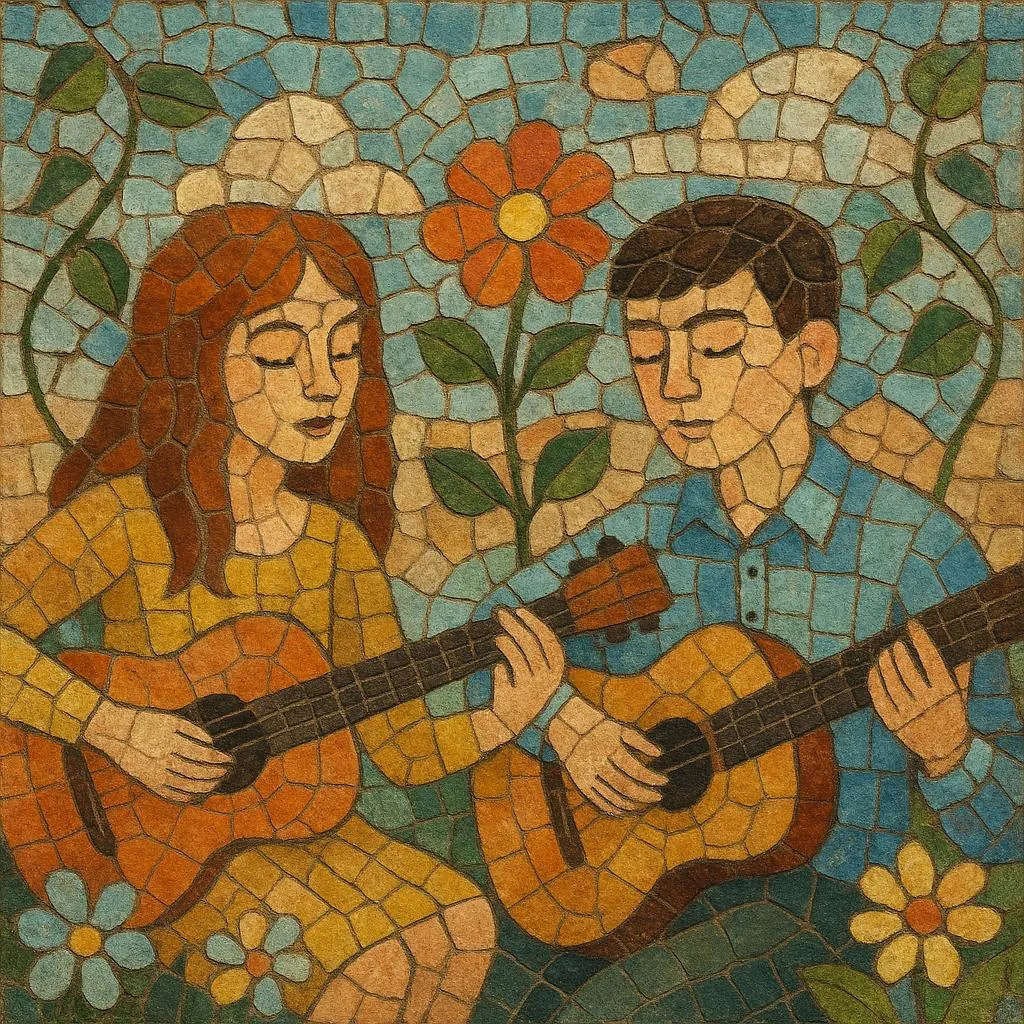
Twee indie pop is a bright, sweetly melodic strain of indie pop characterized by jangly guitars, compact song forms, and an intentionally “small-scale” charm.
It often foregrounds innocence, everyday romance, and diary-like storytelling, using simple but memorable hooks, light rhythmic drive, and a sense of playful sincerity.
Production aesthetics tend toward clean-but-humble (sometimes lo-fi), with vocals that can be soft, conversational, or gently boy/girl-duet styled rather than powerfully belted.



History
Twee emerged from the UK’s independent pop underground in the 1980s, closely tied to jangly guitar pop, DIY ethics, and scenes associated with fanzines and small labels. It was partly a reaction against heavier rock postures, emphasizing warmth, intimacy, and approachable songwriting.
Across the late 1980s and 1990s, the sound crystallized around concise pop craft, chiming guitars, and understated vocals, with scenes and labels acting as cultural hubs that supported compilation culture, 7-inch singles, and local gig networks.
In the 2000s, a revival introduced twee to broader indie audiences, with bands updating the style using modern recording clarity while retaining the genre’s hallmark melodic simplicity and romantic immediacy. By the 2010s, twee’s sensibility had become globally distributed via online communities and micro-label ecosystems.
Today, twee indie pop persists as a recognizable aesthetic: upbeat, tender, and hook-driven, often blending with lo-fi, bedroom pop, or indie pop rock while keeping its characteristic sweetness and DIY-scaled intimacy.