Your digging level
Description
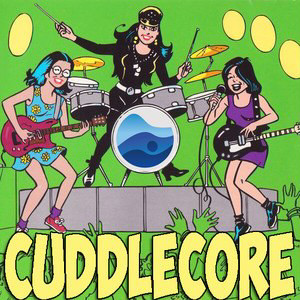
Cuddlecore is a punk‑leaning offshoot of twee/indie pop that embraces innocent, cute, and sentimental aesthetics while delivering them with a rawer, more garage‑like energy.
Where classic twee often foregrounds jangly guitars, cuddlecore downplays the shimmer in favor of slightly heavier (yet still light‑hearted) tones, fuzzy or mildly overdriven guitars, and a lo‑fi, DIY presentation. Songs are short, catchy, and bubblegum‑melodic; vocals are soft, frequently breathy, and often arranged in male–female harmonies. Keyboards, toy instruments (e.g., glockenspiel), handclaps, and simple drum patterns accent the arrangements.
Lyrically, cuddlecore leans into naivety, nostalgia, crushes, everyday sweetness, and small emotional dramas. Its attitude was informed by the contemporaneous Riot Grrrl movement, adopting a playful, self‑possessed feminist slant even as it kept the music cute, charming, and approachable.
History
Cuddlecore emerged in the early 1990s in the Pacific Northwest/Western Canada indie ecosystem. The Vancouver band cub popularized (and often gets credit for coining) the term to describe their mix of sugary melodies, soft vocals, and punkish, DIY fuzz. Parallel scenes around Olympia, WA (K Records) and Northern California fostered similarly cute‑but‑scrappy indie pop that shared DNA with C86/twee pop but sounded rougher and more immediate.
While rooted in indie pop’s innocence and bubblegum sensibilities, cuddlecore turned down the classic jangle in favor of chunkier, lightly distorted guitars and a basement‑show immediacy. The contemporaneous Riot Grrrl movement influenced its spirit—supporting female‑fronted bands, zine culture, and a self‑empowering community ethos—without necessarily importing Riot Grrrl’s harsher sonics. Small labels (e.g., K, Slumberland, Mint) and college radio/zine networks were crucial to dissemination.
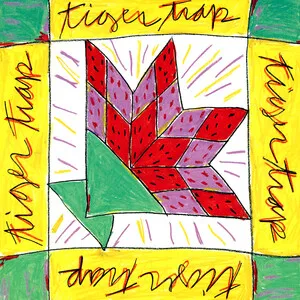
Bands such as Tiger Trap (Sacramento), Go Sailor, The Softies, Bunnygrunt (St. Louis), and later All Girl Summer Fun Band carried the style across North America, while UK twee stalwarts like Heavenly and Talulah Gosh provided kindred templates that many cuddlecore groups echoed with a punkier touch. Singles, 7" EPs, split releases, and lo‑fi albums helped the style circulate in the tape/CD‑R trading era.
By the 2000s, elements of cuddlecore (soft vocals, cuteness, lo‑fi immediacy, major‑key hooks) fed into bedroom pop, lo‑fi indie, and the broader twee/indie pop revival. Its DIY ethics, playful feminism, and approachable arrangements remain audible in later indie scenes and in the affectionate homage many Gen‑Z singer‑songwriters pay to 1990s cute‑punk aesthetics.