Your digging level for this genre

0/8
🏆
Sign in, then listen to this genre to level up

Description

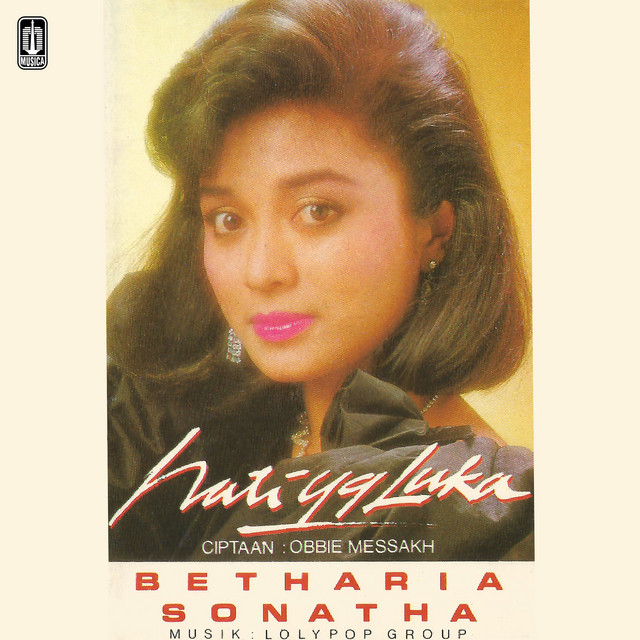
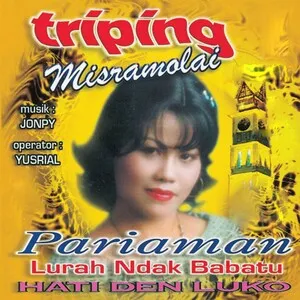
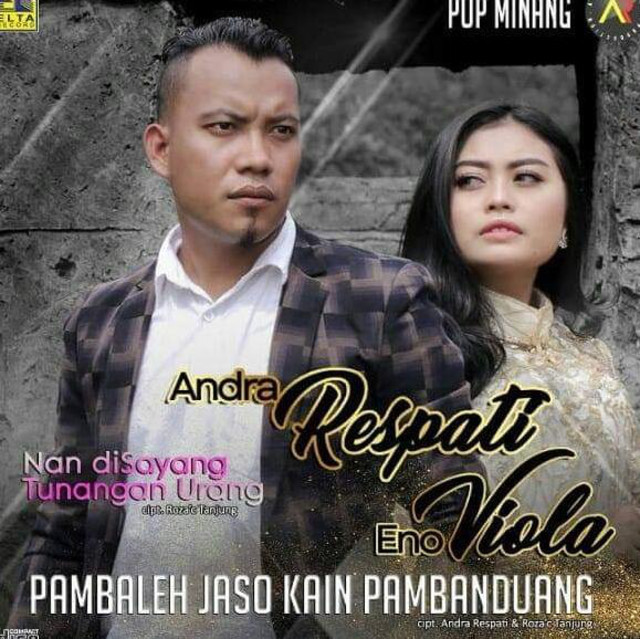
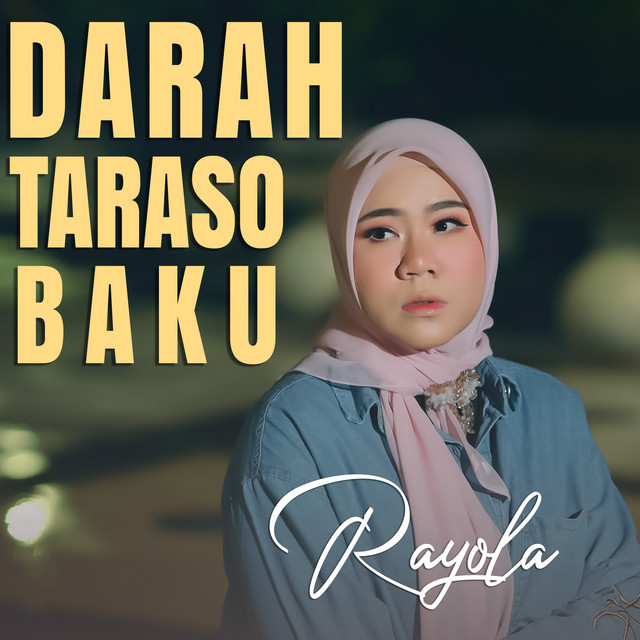
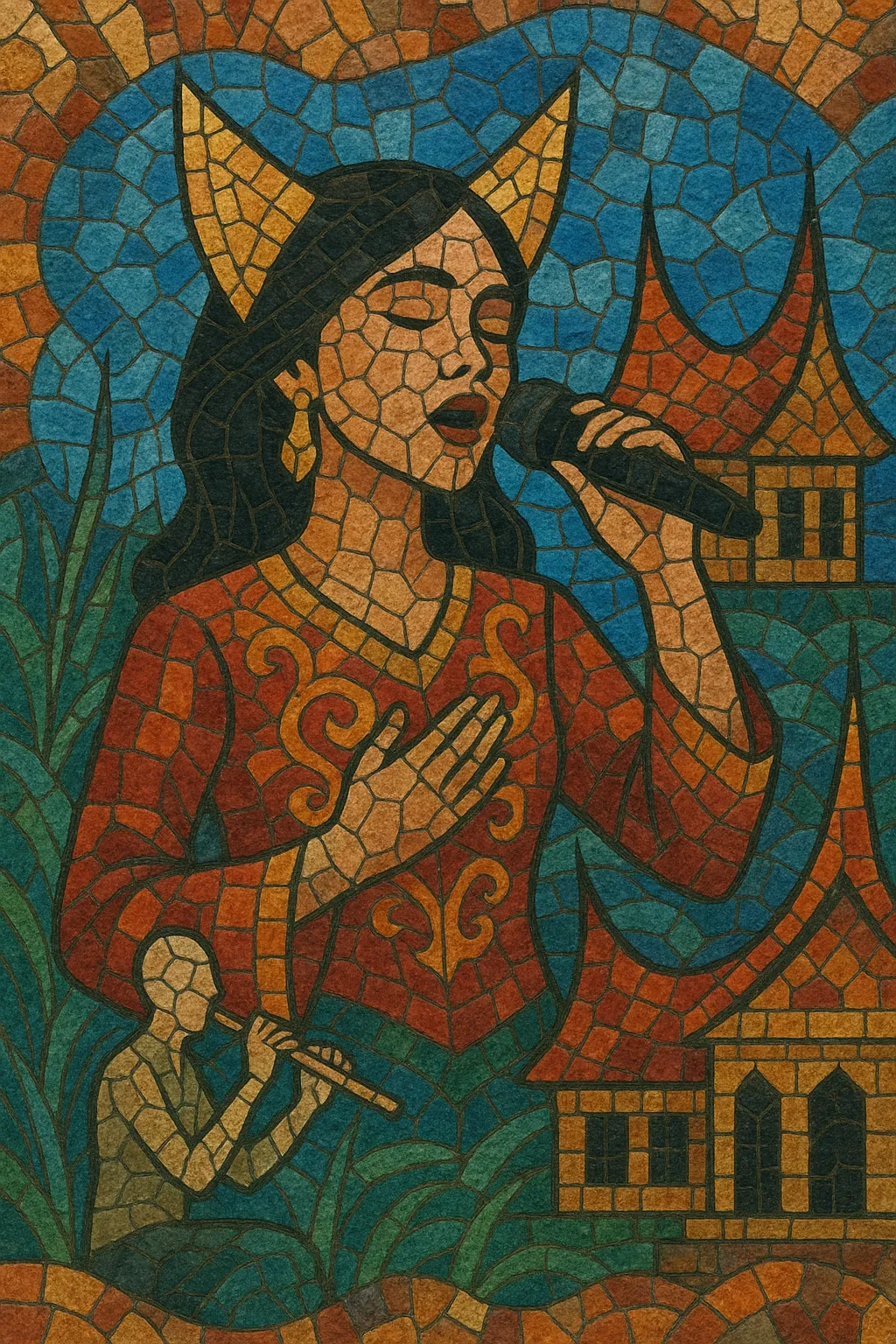
Pop Minang is a regional Indonesian pop style from the Minangkabau people of West Sumatra, sung primarily in the Minangkabau language. It blends local melodic motifs and timbres (notably from talempong metallophones and the saluang bamboo flute) with mainstream Indonesian pop, soft rock balladry, and dangdut rhythms.

The style ranges from slow, sentimental “slow rock Minang” ballads with lush synth strings and guitar leads to upbeat dance-oriented tracks that adapt house and dangdut grooves. Lyrically, Pop Minang focuses on love, homesickness, moral advice, and the Minang ethos of merantau (migration), making it resonate strongly with the Minangkabau diaspora across Indonesia and Malaysia.

Production commonly emphasizes karaoke-friendly arrangements, clear lead vocals with expressive ornamentation, and accessible, diatonic harmonies. The result is music that is both modern and distinctly regional, preserving Minangkabau identity while engaging with contemporary pop aesthetics.

History

Origins (1960s–1970s)

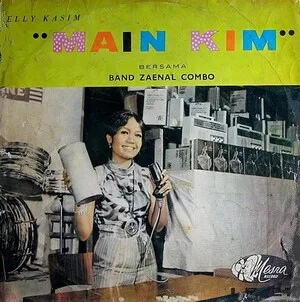
Pop Minang grew out of earlier modern Minangkabau popular music and the national Indonesian pop movement. As recording and radio expanded, Minang-language songs began adopting Western instrumentation and pop song forms while retaining regional melodic contours and timbres associated with talempong ensembles and the saluang flute.

Cassette and VCD era (1980s–2000s)

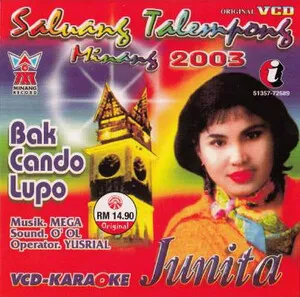
With the cassette boom of the 1980s and, later, VCD and karaoke culture, Pop Minang professionalized and diversified. Producers and studios in West Sumatra and Jakarta developed sub-flavors such as slow rock Minang (romantic ballads with soft-rock arrangements) and livelier dangdut/house-inflected tracks for dance and celebration. Themes of longing and merantau made the style especially popular among Minang communities living away from their homeland.

Digital and YouTube generation (2010s–present)

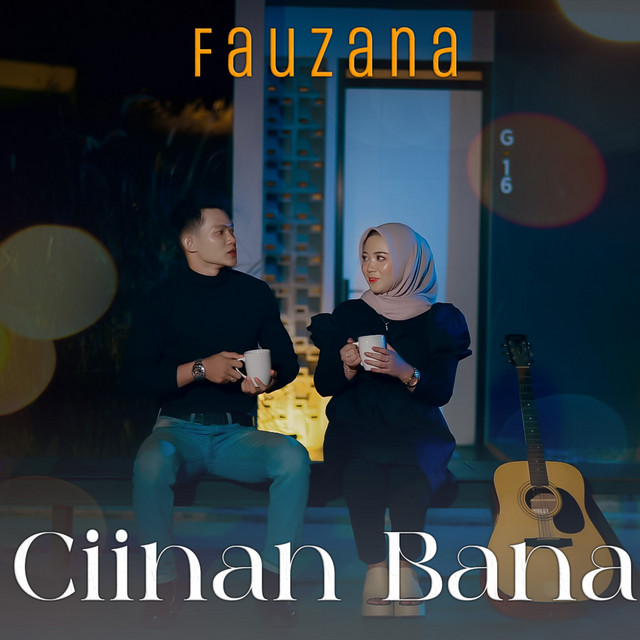
Online platforms accelerated distribution beyond regional markets. Viral hits and high-output independent labels strengthened the ecosystem, while younger artists fused Pop Minang with EDM/house, modern pop-ballad production, or acoustic singer‑songwriter touches. Despite modernization, the genre continues to foreground Minangkabau language, melodic idioms, and cultural narratives.

Aesthetic continuity

Across periods, Pop Minang preserves a recognizable blend: pentatonic-leaning Minang melodies and flute/metallic textures framed by accessible pop harmonies, steady 4/4 grooves, and emotive vocals—making it both culturally specific and broadly appealing.


How to make a track in this genre

Core feel and form
•   Aim for a verse–pre‑chorus–chorus structure with an instrumental intro (often saluang flute or a synth/keyboard line referencing talempong patterns). A final up‑key modulation for the last chorus is common in Indonesian pop.
Harmony and melody
•   Use diatonic pop progressions in major or minor (e.g., I–V–vi–IV in major; i–VI–VII or i–VII–VI in slow‑rock ballads). Keep chords clear and supportive. •   Craft lead melodies from short, pentatonic-leaning cells that echo Minangkabau/talempong contours. Add vocal ornamentation (slides, turns, light melisma) and occasional call‑and‑response phrases.
Rhythm and groove
•   Default to 4/4 at 60–80 BPM for slow rock ballads; 95–120 BPM for mid‑tempo pop/dangdut; 120–128 BPM for house‑flavored tracks. •   For dangdut influence, use a tabla/ketipung‑like syncopation against a steady kick/snare backbeat. For house influence, keep a four‑on‑the‑floor kick with claps on 2 and 4 and syncopated percussion.
Instrumentation and timbre
•   Core band: lead vocal, electric or clean‑chorused guitar, keyboard/synth (pads and string layers), bass, and drum kit or drum machine. •   Regional color: saluang flute motifs, talempong patterns (performed or sampled), and occasional rabab (fiddle) lines. •   Production: clear, vocal‑forward mix; warm pads/synth strings; tasteful guitar fills; reverb and delay on vocals; karaoke‑friendly mastering.
Lyrics and delivery
•   Write in Minangkabau language and center themes of love, longing, homesickness, family, tradition, and merantau (life away from home). •   Use direct, emotionally resonant wording. Deliver with expressive but controlled vibrato and ornaments without obscuring lyric clarity.
Arrangement tips
•   Start with a recognizable regional motif (saluang/talempong‑like hook), establish harmony in the verse, lift energy in the pre‑chorus, and pay off with a memorable chorus. •   Consider a key change near the end and add backing vocals or group responses to heighten the finale.

Top tracks

Locked
Share your favorite track to unlock other users’ top tracks
Influenced by
Has influenced
No genres found
Challenges
Digger Battle
Let's see who can find the best track in this genre
© 2025 Melodigging
Melodding was created as a tribute to Every Noise at Once, which inspired us to help curious minds keep digging into music's ever-evolving genres.
Buy me a coffee for Melodigging