Your digging level
Description
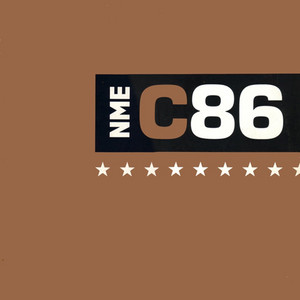
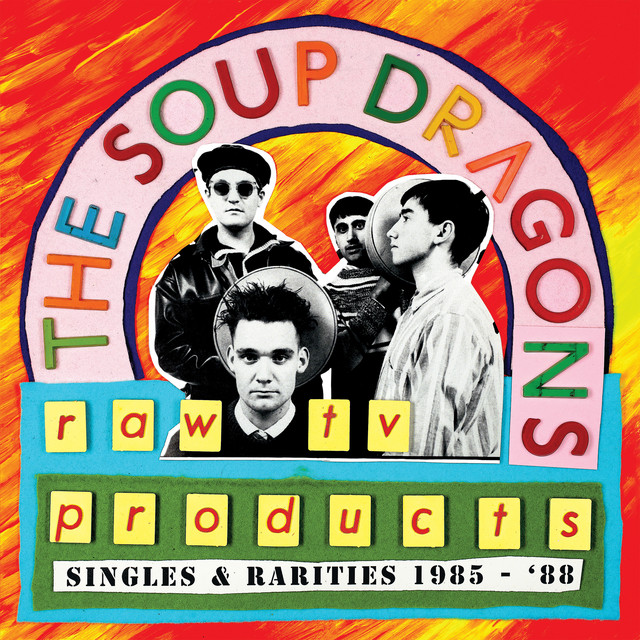
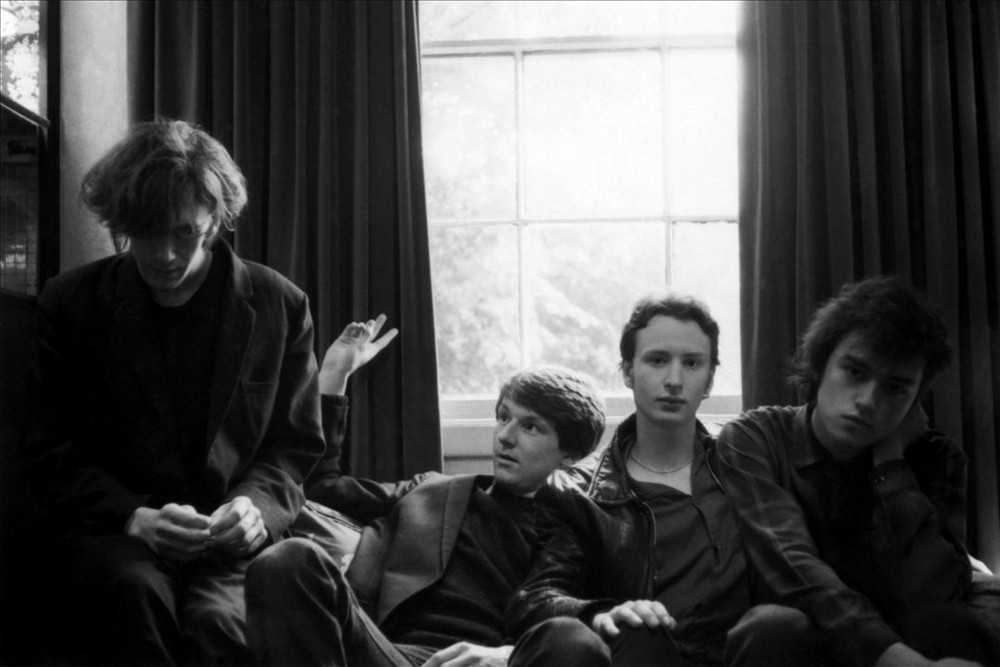
C86 is a British indie-pop movement named after the 1986 cassette compilation issued by the NME. It crystallized a jangly, DIY guitar-pop sound that blended the energy and independence of punk with 1960s melodicism and a fanzine-driven underground culture.
Musically it is characterized by bright, trebly rhythm guitars, simple but hooky chord sequences, brisk tempos, and earnest, often boy/girl lead vocals. Production tends to be raw or homespun, with a charmingly unpolished feel that highlights immediacy over perfection. Lyrically, C86 favors wit, romance, awkwardness, and everyday detail—sometimes sweet, sometimes sardonic—delivered with an infectious, handclap-and-tambourine bounce.
Beyond sound, C86 stands for an ethos: independent labels and shops, Peel Sessions, zines, and grassroots gigs. It provided a template for later waves of twee pop, noise pop, and lo‑fi indie scenes across the UK and far beyond.



History
C86 grew from the post‑punk and DIY traditions flourishing in the UK’s independent sector. Bands inspired by punk’s self-sufficiency began writing brisk, jangly songs that nodded to 1960s garage and power pop, while releasing singles on tiny labels and trading through indie shops and mail‑order.
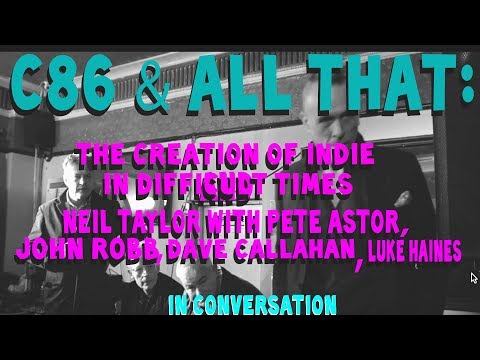
In 1986 the NME issued the C86 cassette, showcasing a constellation of UK indie hopefuls. Although musically diverse, the compilation came to symbolize a coherent aesthetic: jangly guitars, up-tempo, catchy choruses, and a proudly homespun sound. Key fanzines, John Peel’s radio show, and labels like The Subway Organisation, 53rd & 3rd, Creation, and Rough Trade amplified the movement, turning local scenes into a national network of gigs, flexi‑discs, and compilation 7‑inches.
By the late 1980s, C86’s spirit fed into the rise of twee pop and the Sarah Records roster, as well as noisier strains of indie like early noise pop. Its melodic jangle and DIY values later influenced UK indie of the 1990s, including strands of Britpop and bedroom-recorded lo‑fi—while international scenes adopted its anorak charm. Reappraisals and reissues have cemented C86 as a foundational blueprint for independent guitar pop.
Use two clean-to-crunchy electric guitars (a bright, jangly rhythm and a lightly overdriven lead), electric bass with melodic movement, and a simple drum kit with lively hi‑hats and tambourine. Chorus or light modulation on guitars, a bit of spring/plate reverb, and occasional handclaps reinforce the sparkle.
Write in major keys or modal flavors with simple progressions (I–IV–V, I–vi–IV–V, or ii–V–I‑adjacent pop moves). Keep melodies direct and singable; double‑track vocals for thickness. Lead lines often echo the vocal hook rather than shred.
Aim for brisk 4/4 at ~120–160 BPM with straight 8th‑note strumming. Snare on 2 and 4, steady kick patterns, and driving eighths on bass support the jangle. Keep songs short (2–3 minutes) with verse–chorus–verse, a brief middle‑eight, then a final hooky chorus.
Favor conversational, witty, or shyly romantic lyrics. Everyday scenes, awkward crushes, and small social observations work well. Keep images vivid yet unpretentious; avoid over‑polish in phrasing.
Embrace DIY: minimal overdubs, modest mic setups, and light compression. Prioritize midrange clarity for guitars and vocals; avoid heavy low‑end or glossy sheen. Slight tape saturation or room ambience adds charm. Leave imperfections that convey immediacy.