Your digging level
Description
Olympia WA indie refers to the do‑it‑yourself, lo‑fi‑leaning indie scene that coalesced around Olympia, Washington, centered on labels like K Records and Kill Rock Stars and a strong all‑ages, community‑first ethos.
The sound typically favors jangly or fuzzed clean guitars, simple and direct song structures, tape-warm production, and emotionally candid, often idealistic lyrics. While adjacent to punk’s DIY infrastructure, Olympia’s indie approach embraced softness and vulnerability as much as ragged energy, making space for minimalist pop, experimental edges, and politically conscious voices.
History
Olympia’s indie identity grew from the Evergreen State College’s experimental culture and an all-ages, DIY network of house shows, zines, and artist-run labels. K Records, founded by Calvin Johnson in 1982, became a hub for minimalist, unpretentious pop and cassette-culture distribution. Early bands like Beat Happening defined a deliberately lo-fi, anti-macho stance that contrasted with mainstream rock, drawing on punk’s do-it-yourself logistics and the C86/twee pop spirit.
In the early 1990s, Kill Rock Stars joined K Records in documenting the broader Olympia and Pacific Northwest underground. Festivals such as Yo-Yo a Go-Go showcased the region’s cross-pollination between indie pop, noise, post-hardcore, and feminist punk currents. Though riot grrrl is its own movement, its proximity to Olympia’s DIY infrastructure amplified the scene’s political awareness, inclusivity, and emphasis on community-led spaces.
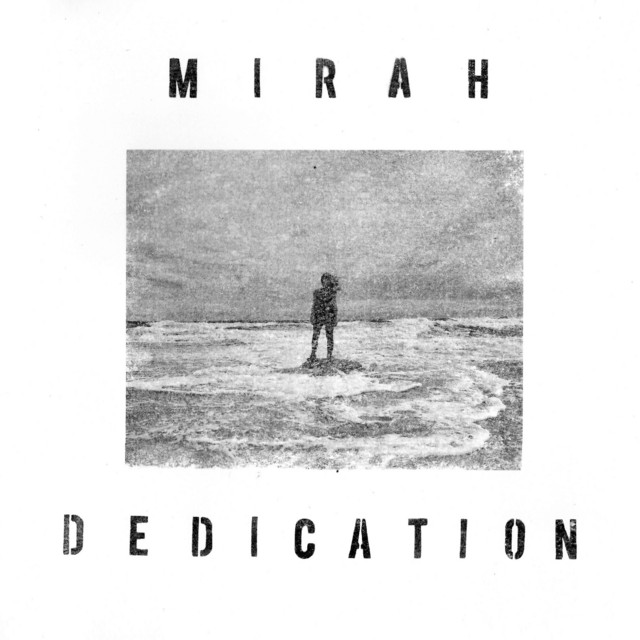
Artists connected to K Records and the broader Olympia orbit—like The Microphones and Mirah—pushed an intimate, tape-warm approach, blending indie pop with experimental recording, field textures, and folk sensibilities. This period solidified Olympia’s reputation for bedroom-scale production, sincerity-forward songwriting, and egalitarian collaboration across genres.
Olympia WA indie helped normalize lo‑fi aesthetics, accessible recording methods, and all-ages DIY venues across North America and beyond. Its ethos informed later waves of bedroom pop, indie folk, and New Weird America, while its community-first structures influenced scenes far outside the Pacific Northwest.
Use a small-band format: clean or lightly overdriven electric guitar, bass, and a simple drum kit. Add hand percussion, organ, or tape loops sparingly. Embrace home-recording tools—4‑track cassette, modest interfaces, room mics—to capture warmth and immediacy.
Write with concise, diatonic progressions (I–IV–V, I–vi–IV–V) and clear, singable melodies. Keep songs short (2–3 minutes), with few sections and purposeful repetition. Allow dynamic contrasts—quiet verses against lightly fuzzed choruses—without over-arranging.
Favor mid-tempo grooves with a relaxed pocket. Let drums be dry and unfussy—straight eighths on hi-hat, simple kick/snare patterns. Occasional tambourine or handclaps can add lift without polishing away the DIY edge.
Prioritize candid, personal, and idealistic lyrics—intimate diary-like snapshots, community-minded themes, and gentle humor. Vocals can be soft, deadpan, or unvarnished; double-tracking and subtle room reverb help maintain warmth while keeping vulnerability intact.
Record live when possible, accept tape hiss and mic bleed, and resist heavy editing. Use minimal compression and gentle saturation. Package releases with handmade visuals (zines, risograph art), and think community-first: all-ages shows, small venues, and collaborative bills reflect the style’s spirit.