Your digging level
Description
Emo revival is a 2010s resurgence of the melodic, introspective strain of 1990s and early-2000s emo, updated with indie-rock and math-rock sensibilities.
It emphasizes twinkly, interlocking clean guitars, confessional and diaristic lyrics, dynamic quiet‑loud arrangements, and a DIY ethos rooted in house shows, small labels, and online communities.
Compared with 2000s mainstream emo-pop, the revival leans closer to Midwest emo and indie aesthetics—often cleaner in tone, more rhythmically intricate, and less polished, while remaining hooky and emotionally direct.



History
A new wave of bands began rediscovering the melodic, twinkly guitars and confessional songwriting of 1990s emo and Midwest emo. Early catalysts included Algernon Cadwallader and Snowing, whose knotty, bright guitar work and shout‑along intimacy pointed away from glossy 2000s emo-pop and back toward the genre’s indie/DIY roots. Online hubs (Tumblr, Bandcamp) and small labels like Topshelf Records, Count Your Lucky Stars, Run For Cover, and Tiny Engines helped knit together regional scenes from Philadelphia and Boston to Chicago and Florida.
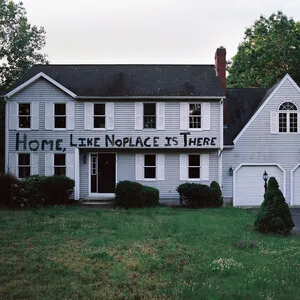
Into It. Over It., The World Is a Beautiful Place & I Am No Longer Afraid to Die, Modern Baseball, and The Hotelier released widely praised records, codifying the sound: clean arpeggiated guitars, hooky but unvarnished vocals, and lyrics about friendships, suburban ennui, mental health, and early‑adult uncertainty. House shows and DIY tours were central, and the scene welcomed math‑rock intricacy, post‑hardcore dynamics, and indie‑rock melodicism. This period produced core albums like The Hotelier’s “Home, Like Noplace Is There,” TWIABP’s “Whenever, If Ever,” and Modern Baseball’s “Sports.”
The revival favored bright, chorus/delay‑kissed guitars (often with capos or alternate tunings), busy melodic bass lines, nimble drumming with dynamic swells, and sing‑along gang vocals. Artwork and band identities leaned earnest and self‑reflective, with zines, tapes, and community‑minded touring that revived the ‘90s emo house‑show circuit. Social media accelerated discovery, while Bandcamp facilitated quick release cycles and scene cross‑pollination.
Some bands folded shoegaze, post‑rock, and alt‑country flavors into the palette (e.g., Title Fight’s gaze‑ward turn, Foxing’s orchestral textures, Pinegrove’s rustic emotive indie). The revival’s guitar language and confessional tone influenced adjacent movements (emo rap, strands of bedroom pop and hyperpop), while also rejuvenating interest in Midwest emo worldwide. By the 2020s, a new generation on TikTok and Bandcamp adopted the twinkly riffs and open‑hearted writing, ensuring the style’s continued evolution.