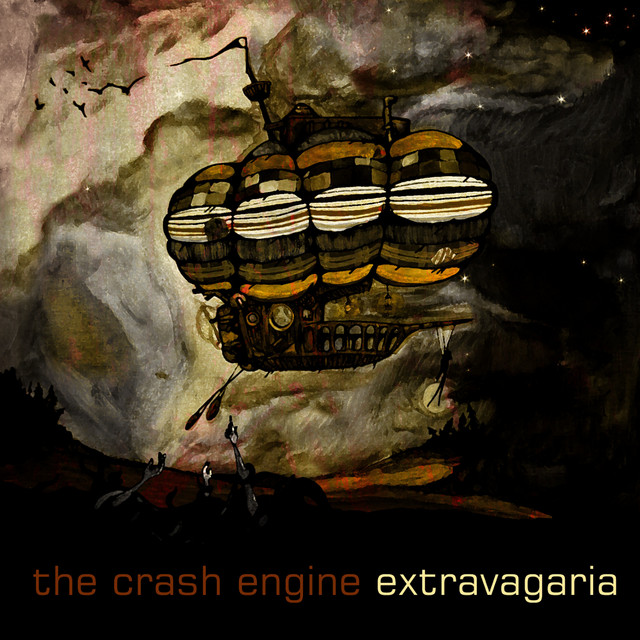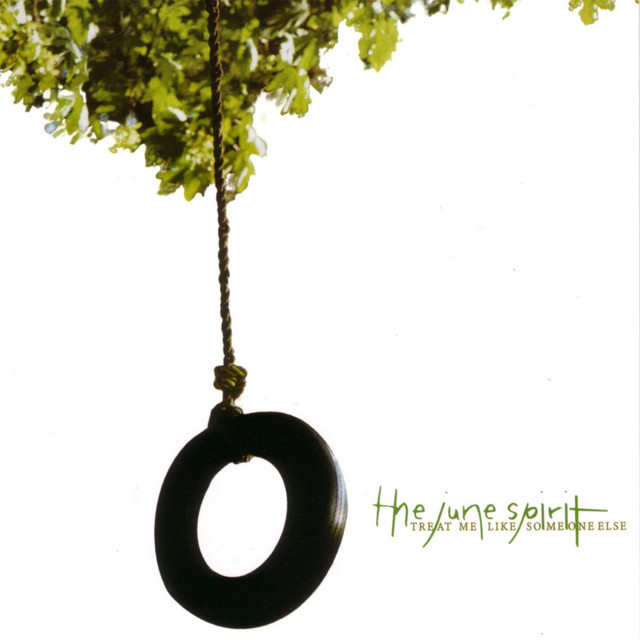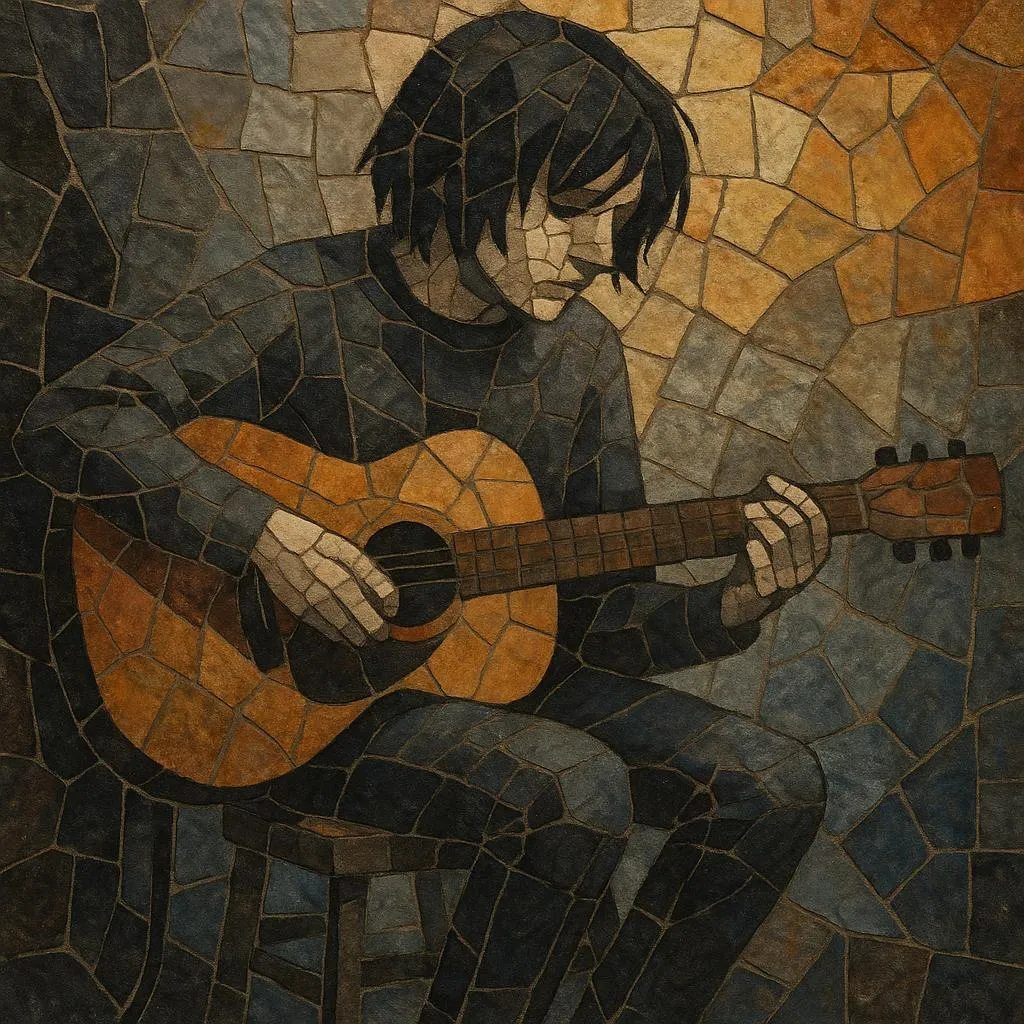
Your digging level

For this genre
0/8
🏆
Sign in, then listen to this genre to level up

Description

Indie emo rock is a strain of emo that foregrounds indie rock’s jangly guitars, DIY production, and intimate songwriting. It often favors clean, interlocking guitar lines, suspended and add9 chord voicings, and dynamic contrasts that move from hushed confessionals to cathartic climaxes.

Lyrically, it is reflective and diaristic—concerned with memory, friendship, longing, and the geography of everyday life—while rhythm sections remain fluid and supportive rather than overtly aggressive. The result is emotive music that feels handcrafted: fragile yet tuneful, vulnerable but melodically memorable.

Sources: Spotify, Wikipedia, Discogs, RYM, MB, user feedback and other online sources

History

Roots (late 1980s–1990s)

Indie emo rock emerged in the United States during the 1990s as emo’s second wave spread beyond Washington, D.C. into the Midwest and college-town circuits. Bands drew from punk’s heart‑on‑sleeve ethos but replaced distortion-heavy riffing with clean, chiming guitars and indie rock subtlety. Small labels, zines, college radio, and house shows (along with labels like Jade Tree, Polyvinyl, and Deep Elm) formed a tight DIY infrastructure that prized sincerity and musicianship.

Aesthetic and sound

The style crystallized around clean, interlocking guitar parts (often employing sus2/add9 voicings and arpeggiation), mid-tempo grooves that could flex into asymmetry, and intimate, conversational vocals. Albums were frequently recorded affordably, retaining room tone and the feel of a live take—sonic choices that underscored lyrical vulnerability.

2000s shifts and the 2010s revival

In the 2000s, mainstream "emo" moved toward pop‑punk gloss, while many indie‑leaning emo bands went underground or evolved toward post‑rock, folk, or mathier sounds. The 2010s “emo revival” re-centered the 1990s indie-emo palette—Bandcamp, message boards, and boutique labels (e.g., Topshelf, Run For Cover, Count Your Lucky Stars) helped a new generation adopt the twinkly guitars, confessional writing, and DIY touring ethos.

Global echoes and legacy

Today, indie emo rock’s fingerprints are heard worldwide—in bedroom-made records, math-tinged indie scenes, and even emo-rap’s introspective storytelling. Its lasting impact is a model of craft: emotionally frank songs, gently intricate guitar work, and community‑first production values.

How to make a track in this genre

Instrumentation and tone
•   Guitars: Two clean electric guitars with light compression, chorus or subtle delay, and generous reverb. Favor arpeggios, double-stops, and ringing open strings. •   Bass: Melodic but supportive, often counter‑melodies that weave through guitar figures rather than just doubling roots. •   Drums: Dynamic and articulate; use ghost notes, ride/hi‑hat detail, and restrained fills that bloom into bigger choruses.
Harmony and voicings
•   Chords: Lean on sus2/sus4, add9, major7, and inverted triads. Common keys live well with guitar-friendly open strings (E, D, A, G), and capos help preserve shimmer in higher registers. •   Progressions: Try I–V–vi–IV variants, IV–I–V–vi with suspensions, or cyclical loops that evolve via added tensions rather than drastic modulations.
Rhythm and form
•   Tempos: 80–140 BPM. Verses can sit in laid‑back grooves; choruses open up dynamically. Sprinkle occasional bars of 2/4 or 5/4 for lift without feeling mathy for its own sake. •   Arrangements: Verse–chorus with instrumental interludes; let guitars converse—one outlines arpeggios, the other adds countermelodies or harmonics.
Melodies and lyrics
•   Vocals: Intimate, conversational, sometimes slightly nasal; double softly for thickness. Group shouts or gang vocals can emphasize climactic lines. •   Themes: Memory, place, small details (street names, seasons, rooms) that anchor feelings in concrete imagery. Keep the voice sincere, specific, and unforced.
Production and mix
•   Aesthetic: DIY warmth over clinical polish. Capture natural room, mild tape saturation or analog‑style plugins. Preserve transient detail on drums and the shimmer of clean guitars. •   Space: Pan the two guitars apart; keep bass centered; allow vocals to sit forward with a short plate or room reverb.
Practice prompts
•   Write an 8‑bar arpeggio loop using add9 shapes; have the second guitar answer with harmonics on beats 2 and 4. •   Build a lyric around a single location and time of day; let each section add a sensory detail (smell, light, temperature) to deepen emotion. •   Start with a small dynamic range and plan a single, undeniable swell—save the heaviest strums and highest harmonies for that moment.

Top tracks

Locked
Share your favorite track to unlock other users’ top tracks

Upcoming concerts

in this genre
Influenced by
Has influenced

Download our mobile app

Get the Melodigging app and start digging for new genres on the go
© 2026 Melodigging
Melodding was created as a tribute to Every Noise at Once, which inspired us to help curious minds keep digging into music's ever-evolving genres.
Buy me a coffee for Melodigging