Your digging level

For this genre
0/8
🏆
Sign in, then listen to this genre to level up

Description

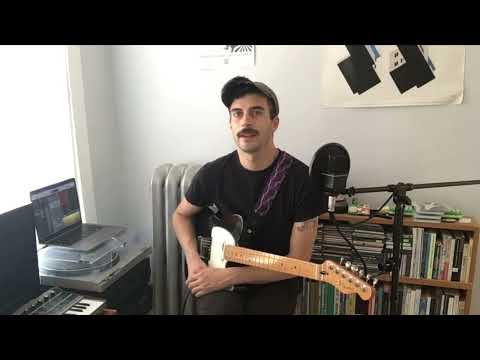
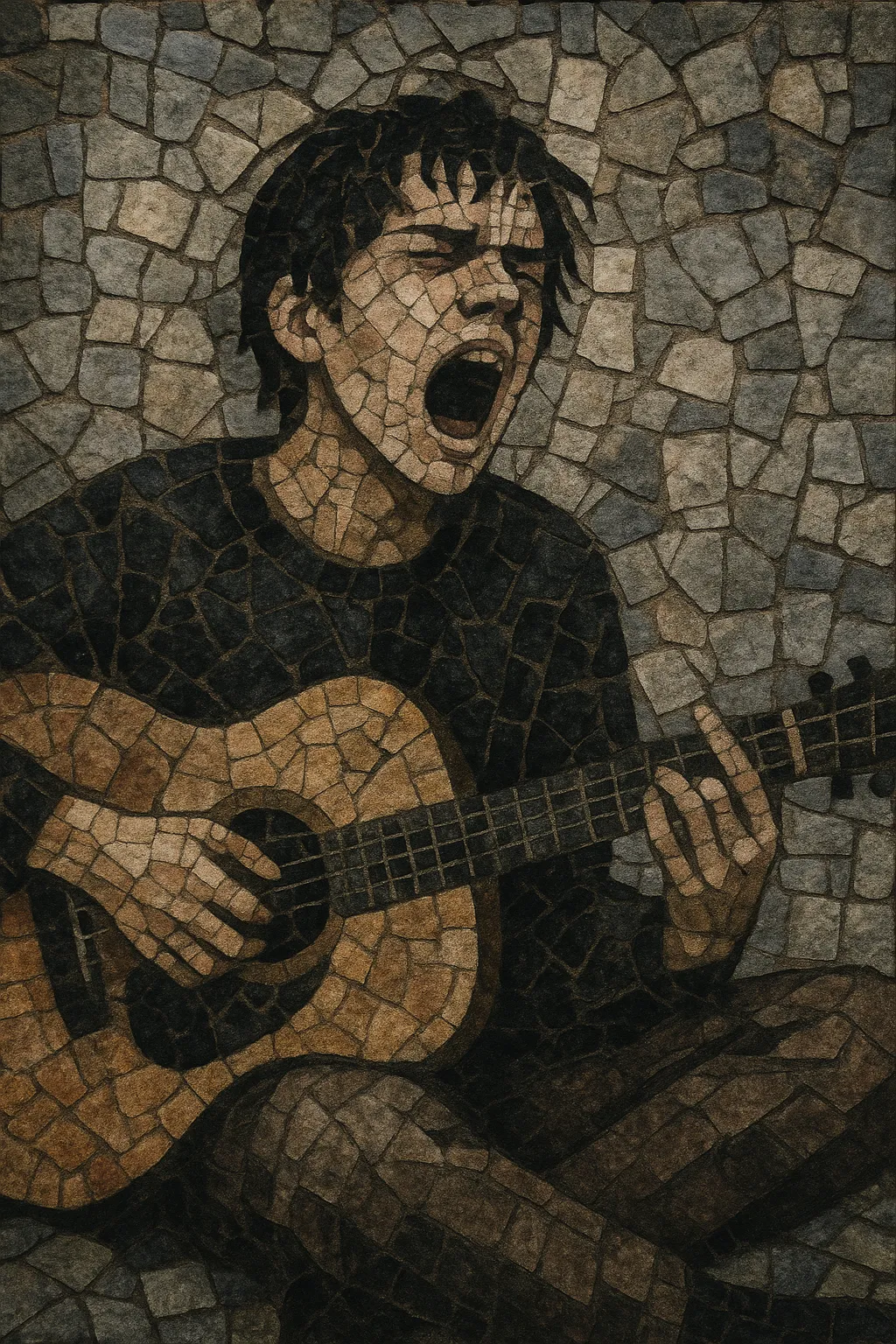
Bedroom skramz is a lo‑fi, DIY strain of screamo (aka skramz) that embraces home-recorded aesthetics, small-room acoustics, and intensely personal songwriting.

It blends the frantic, emotive vocals and dynamic volatility of 1990s/2000s screamo with the confessional intimacy and production choices of bedroom pop and lo‑fi emo. Expect clipped microphone screams, jangly or twinkly guitars tracked direct or through amp sims, drum programming or minimally mic’d kits, and mixes that value immediacy and texture over polish.

The scene is largely internet-native—thriving on Bandcamp, SoundCloud, and Discord—where solo artists and tiny collectives trade files, samples, and feedback. The result is a cathartic, small‑scale sound that feels both urgent and diaristic.


Sources: Spotify, Wikipedia, Discogs, Rate Your Music, MusicBrainz, and other online sources

History

Origins (late 2010s)

Bedroom skramz emerged in the latter half of the 2010s as screamo’s DIY ethos met the booming ecosystem of affordable home-recording tools. Artists drawing on classic skramz (Saetia, Pg.99, Orchid) and emo’s twinkly guitar vocabulary began producing full releases from bedrooms and dorm rooms, leaning into the rawness of small spaces rather than masking it.

Internet micro-scenes and 5th wave emo

The genre took shape alongside the online-driven “5th wave emo” and lo‑fi emo movements, where Bandcamp drops, tiny cassette runs, and Discord servers helped scenes form rapidly across borders. The lack of studio pressure encouraged risk-taking—odd time signatures, blown-out vocal chains, and hybrid sets with drum machines or sample packs.

Aesthetic codification (2020–2022)

Pandemic-era isolation accelerated the sound: remote collaboration, file-swapping, and in-the-box production normalized skramz tracked entirely at home. The resulting releases established a recognizable palette—screamed, often double-tracked vocals; DI guitars alternating between twinkle and overdrive; bass that follows the guitar’s melodic motion; and drums that swing between programmed blasts and fragile, room‑mic’d takes.

Diffusion and crossover

Bedroom skramz cross-pollinated with glitchcore, hyperpop/digicore, and indie shoegaze, feeding a wave of internet-native heavy music. Internationally, notable scenes in the U.S., Europe, and East Asia (especially South Korea’s DIY sphere) broadened the style’s reach while keeping its small‑scale, personal presentation.

Present day

Today the term marks both a sound and a production stance: skramz that wears its imperfections as expression, prioritizing intimate storytelling and immediacy over high‑gloss fidelity.

How to make a track in this genre

Core instrumentation
•   Guitars: Clean, bright single-coil tones for twinkle; switch to gritty overdrive for climaxes. Open tunings or emo-leaning voicings (add2/add9, suspensions) create sparkle. •   Bass: Melodic doubling of guitar motifs; occasional counterlines to heighten tension. •   Drums: Either minimally mic’d kits (embrace room bleed) or programmed kits (tight kicks/snares with humanized velocities). Tempo typically 120–180 BPM with explosive shifts. •   Vocals: Urgent, screamed leads recorded close-mic’d; allow tasteful clipping/saturation. Layer occasional whispers or spoken lines to contrast the screams.
Harmony, melody, and form
•   Harmony: Mix diatonic emo progressions with modal color (Mixolydian/Dorian) and borrowed chords. Use dissonant extensions during peaks. •   Melody: Angular, emotive lines. Countermelodies on guitar or soft synths reinforce hooks without polishing away the rawness. •   Structure: Non-linear forms work well—quiet/loud/quiet arcs, sudden stops, metric modulations, and short interludes of field recordings or noise.
Production aesthetics
•   Track at home with DI guitars and amp sims; blend a small-amp mic take for air. Let the room shape the sound instead of removing it. •   Keep dynamics wide: crush selected busses (parallel drum or vocal saturation) while leaving verses fragile. •   Embrace artifacts: tape emulation, clipped transients, and slightly detuned doubles can accentuate vulnerability.
Lyrics and delivery
•   Write diaristic, introspective texts (mental health, online life, intimacy, memory). Favor vivid imagery over narrative completeness. •   Performance should feel on-the-edge—take full, imperfect passes rather than comping perfection. Leave breaths and room noise when they add emotional weight.
Mixing and mastering
•   Prioritize vocal intelligibility within chaos: carve midrange pockets during peaks. High-pass mud, preserve low‑end punch. •   Master loud enough for impact but avoid overlimiting; the micro-dynamics of screams and twinkles are part of the genre’s soul.

Top tracks

Locked
Share your favorite track to unlock other users’ top tracks
Influenced by
Has influenced
Challenges
Digger Battle
Let's see who can find the best track in this genre
© 2026 Melodigging
Melodding was created as a tribute to Every Noise at Once, which inspired us to help curious minds keep digging into music's ever-evolving genres.
Buy me a coffee for Melodigging