Your digging level
Description
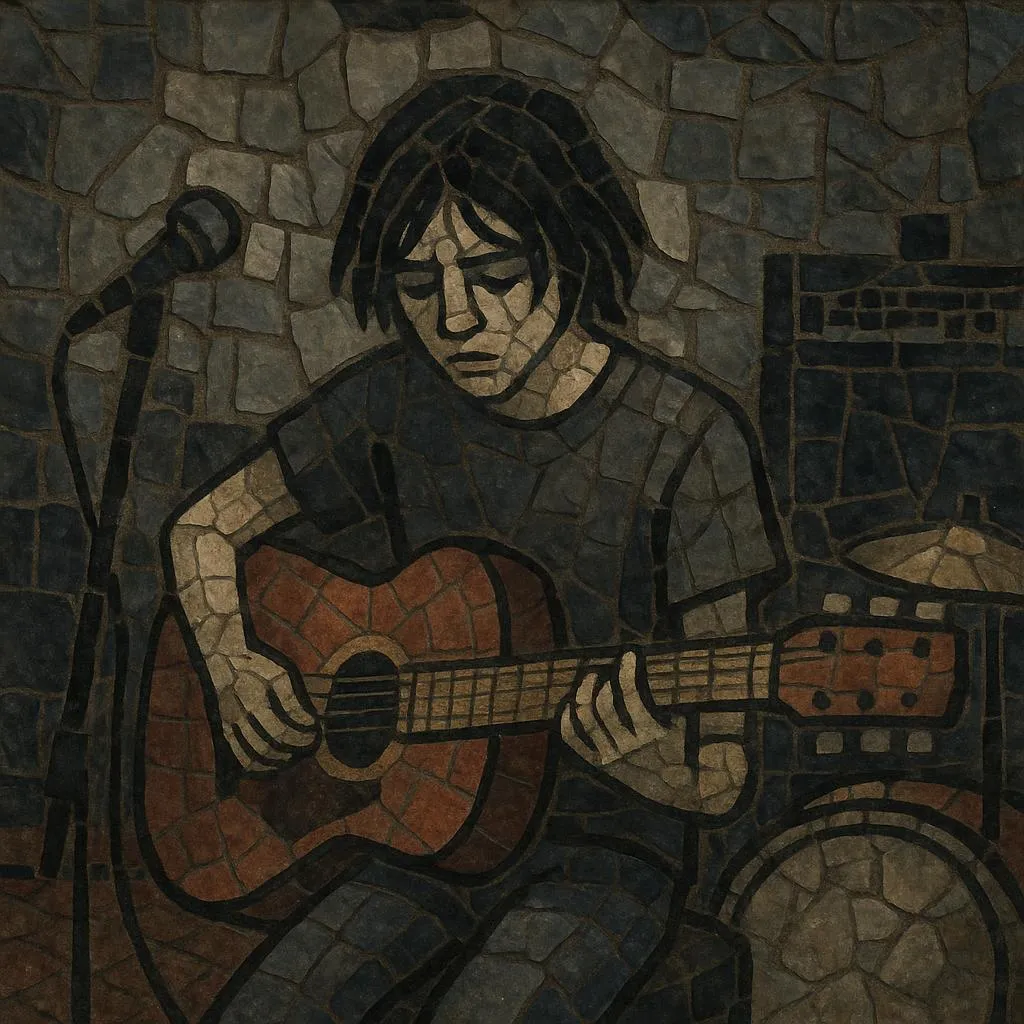
DIY emo is a grassroots, home-recorded and community-driven branch of contemporary emo that blends twinkly Midwest-emo guitar work, confessional lyricism, and pop-punk urgency with a distinctly lo‑fi, self-produced aesthetic.
It foregrounds the ethics of the do‑it‑yourself underground: basement shows, tape or Bandcamp releases, collective touring, and a preference for intimacy over polish. Sonically, it leans on clean, chiming guitars, melodic basslines, dynamic drumming, and unvarnished vocals that veer from soft-spoken to cathartic sing-alongs.
Rather than chasing radio gloss, DIY emo embraces rawness and vulnerability—often capturing the feel of a crowded living room show—while channeling themes of friendship, mental health, hometowns, and the bittersweet transitions of early adulthood.


History
DIY emo draws its DNA from 1990s emo and especially the twinkly, melodic strain later dubbed Midwest emo. Bands working with math‑leaning guitar interplay and diaristic lyrics established the musical grammar, while punk’s DIY infrastructure—house venues, zines, and small labels—provided the operating model. The 2000s brought cheap recording tools and early social platforms, letting small scenes document and share music without gatekeepers.
As the 2008–2014 emo revival re-centered interest in melody and confessional writing, a younger cohort used Bandcamp, Tumblr, YouTube, and small-run cassettes to disseminate songs quickly. House shows and community bookers knit together regional hubs across the U.S., while micro‑labels curated compilations that helped codify a shared sound—twinkly guitars, dynamic swings, and heart‑on‑sleeve hooks—captured with honest, sometimes rough, production.
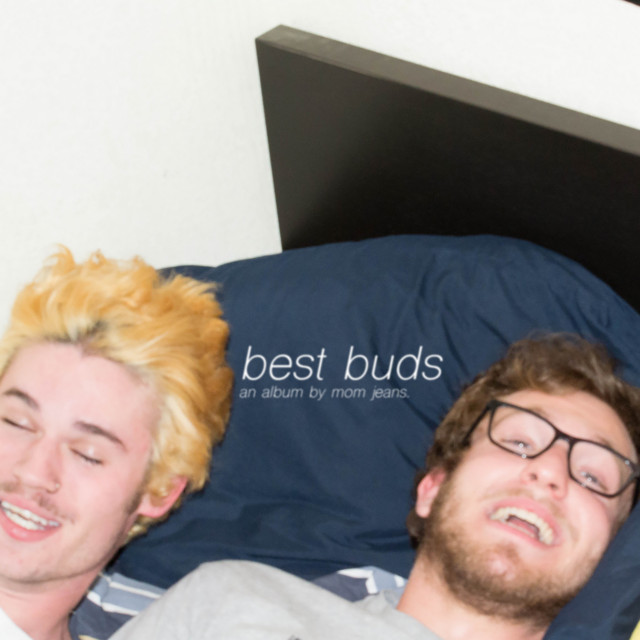
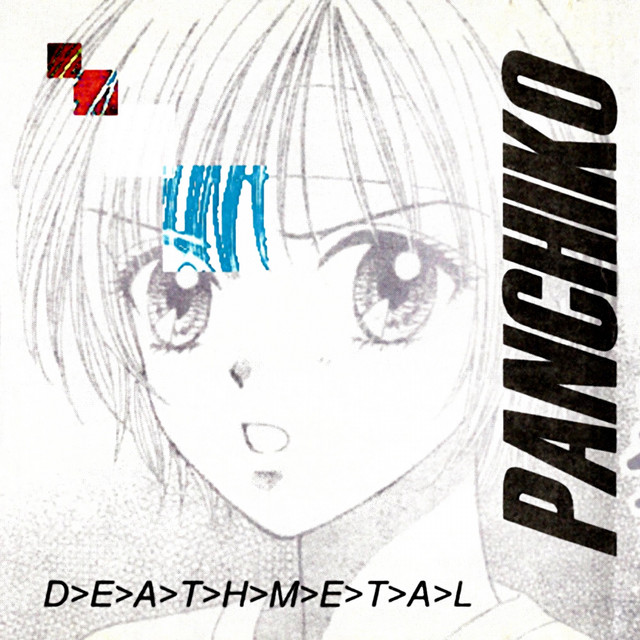
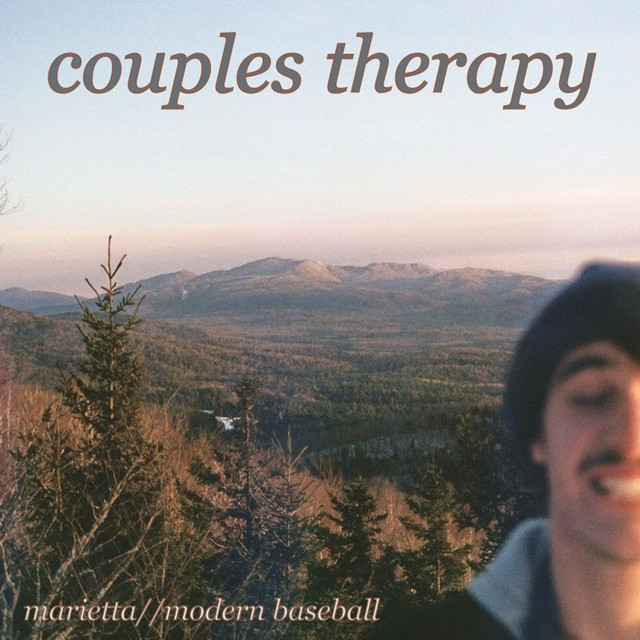
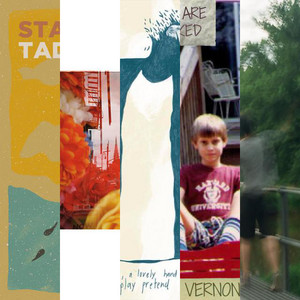
DIY emo privileges authenticity over sheen: self-recorded tracks, modest budgets, collaborative tours, and inclusive spaces. The visual language—handmade cover art, candid photos, lyric sheets—mirrors the music’s vulnerability. Lyrically, it tackles growing pains, relationships, mental health, work/school anxieties, and finding community in small rooms.
Affordable gear and ubiquitous streaming further lowered barriers, spreading DIY emo’s sound and ethos to college towns and online scenes worldwide. The style increasingly overlaps with lo‑fi emo, bedroom skramz, and indie punk, while some artists fold in dream-pop textures or mathier rhythms. Despite broader reach, the basement-to-Bandcamp pipeline and community-first spirit remain central.



Top albums