Your digging level
Description
Emo trap is a mid‑2010s fusion of trap production and the melodic, confessional sensibility of 2000s emo and pop‑punk.
Built around minor‑key guitar or piano loops, blown‑out 808s, and half‑time trap drums, it favors short, hook‑heavy songs that blur singing and rapping through Auto‑Tune. Lyrically it is candid and diaristic—heartbreak, anxiety, alienation, substance use/recovery, and late‑night introspection are common themes.
The sound crystallized on SoundCloud’s DIY ecosystem: rough‑edged mixes, clipped masters, and bedroom workflows that prioritized immediacy over polish, later crossing into the mainstream via viral singles and post‑blog discovery platforms.


History
Emo trap emerged from the overlap of two currents: the melodic, introspective wing of SoundCloud-era hip hop (cloud rap, melodic trap, “SoundCloud rap”) and the cathartic songwriting of 2000s emo and pop‑punk. Early adopters looped lo‑fi guitar samples over 808 sub‑bass, delivering confessional hooks with heavy Auto‑Tune and punk looseness.
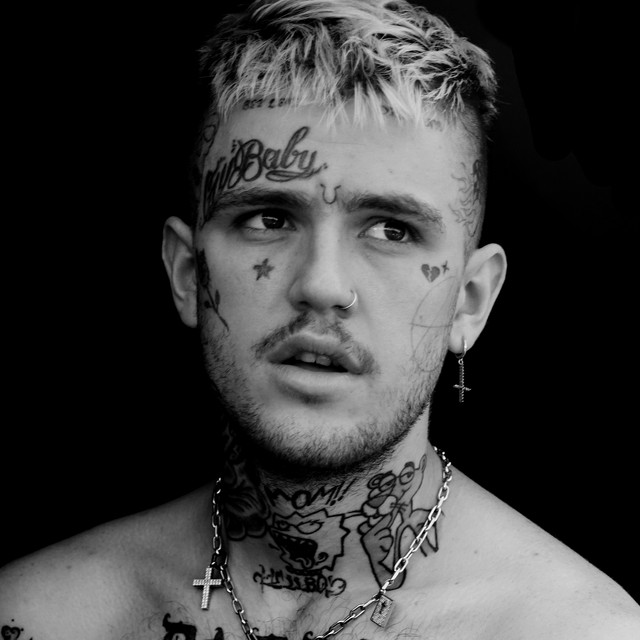
Collectives such as GothBoiClique (Lil Peep, Lil Tracy, Wicca Phase Springs Eternal) defined the template: sad, sing‑rap toplines over minor‑key guitar riffs, sparse hats, and saturating limiters. nothing,nowhere., XXXTentacion, and Trippie Redd helped carry the palette beyond tight scenes, while the DIY upload culture accelerated feedback loops—songs could be written, recorded, and shared in a night.
Lil Peep’s mixtapes and posthumous releases, and Juice WRLD’s global hits (e.g., “Lucid Dreams”) brought emo trap aesthetics into radio rotation and major‑label A&R pipelines. The style’s frank depictions of mental health resonated with Gen Z, while TikTok and playlist ecosystems amplified melancholy hooks into viral moments.
The vocabulary spread to Spanish‑language scenes ("emo trap en español"), Asia, and Europe. Offshoots like emoplugg merged the same emotive toplines with plugg/pluggnb drum language, while pop‑punk’s mainstream revival cross‑pollinated with emo trap vocal delivery and themes. Despite criticism of glamorizing despair, the genre helped normalize mental‑health discourse in mainstream rap‑adjacent pop.
Signature traits include guitar‑centric loops, confessional writing, short runtimes, and intentionally raw sonics. Emo trap influenced a wave of melodic rap and internet‑native pop, leaving a durable blueprint for hybrid songcraft that treats verses like journal entries and hooks like mantras.