Your digging level
Description
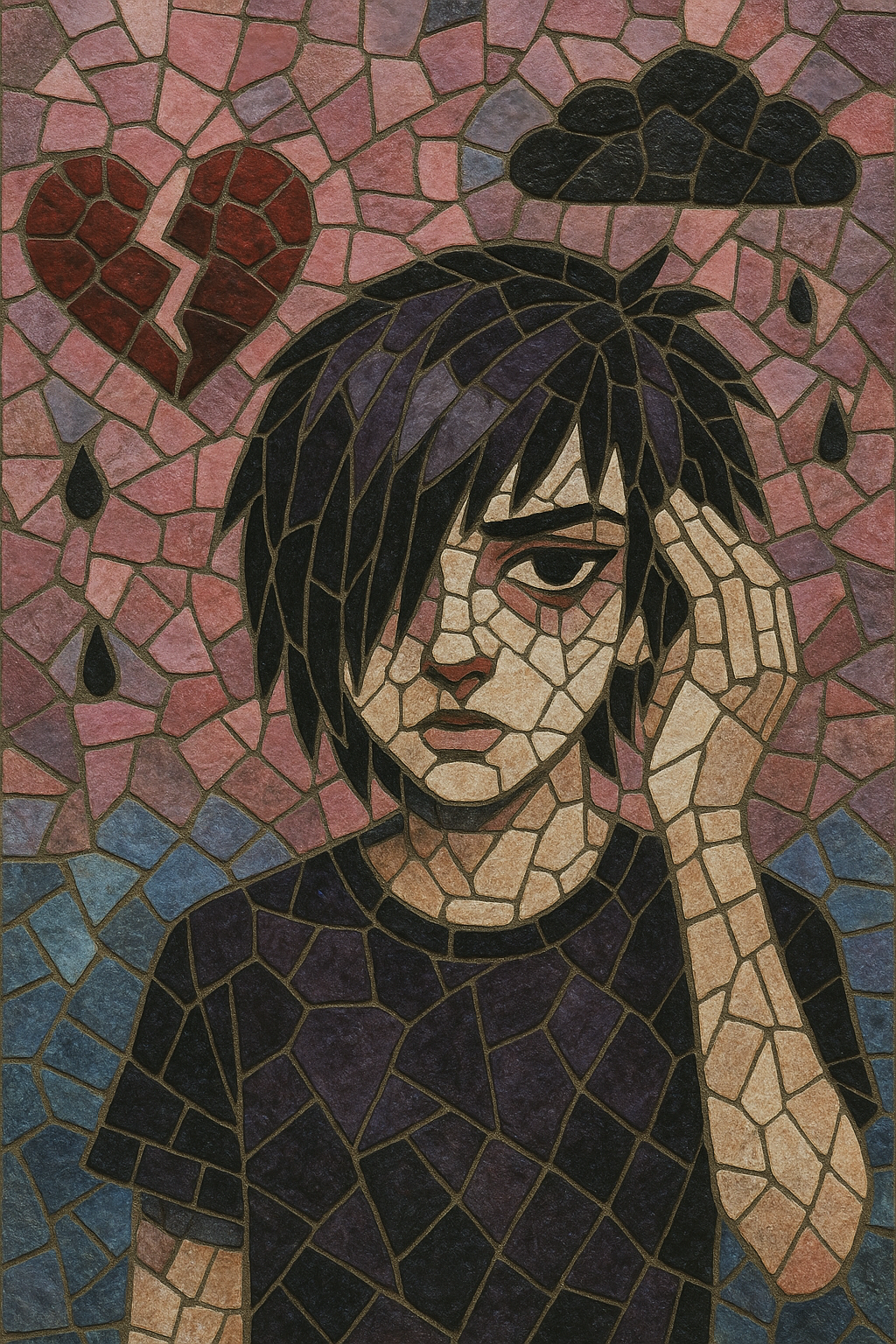
Pop emo (often called emo pop) blends the confessional intensity and melodramatic lyricism of emo with the compact hooks, bright production, and radio‑ready structures of mainstream pop and pop rock.
Songs typically feature soaring, shout‑along choruses, palm‑muted power‑chord verses that open into wide dynamic payoffs, and glossy, multi‑tracked vocals with stacked harmonies or gang‑chant interjections. The lyrical focus centers on heartbreak, identity, suburban ennui, and coming‑of‑age narratives, delivered with vivid, diary‑like detail. Production tends to be polished and punchy, drawing from pop‑punk’s rhythmic drive but smoothing edges for broader appeal.
Sources: Spotify, Wikipedia, Discogs, Rate Your Music, MusicBrainz, and other online sources
History
Emo bands of the late 1990s began adopting brighter melodies and more concise pop forms. Acts like Jimmy Eat World and The Get Up Kids tightened song structures, emphasized singable hooks, and foregrounded vulnerable, first‑person lyrics. This set the stage for a stylistic bridge between emo’s catharsis and pop’s accessibility.
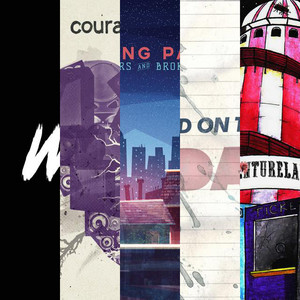
In the early‑to‑mid 2000s, a wave of artists transformed the sound into a mainstream force. Fueled by Warped Tour circuits, Myspace discovery, and labels adept at youth culture marketing, bands such as Fall Out Boy, My Chemical Romance, Paramore, and Panic! at the Disco delivered high‑energy singles with anthemic choruses and theatrical flair. Radio, music television, and online fan communities amplified the style’s visibility—black‑eyeliner aesthetics, vivid music videos, and merch‑driven identities helped cement a cultural moment.
As the decade progressed, some artists folded in electronic textures, pop‑rock sheen, and singer‑songwriter sensitivity, while others pivoted toward indie or alt‑pop lanes. Simultaneously, the emotional candor and melodic sensibility of pop emo seeped into adjacent scenes—most notably informing the songwriting tone of emo rap and the bright, synth‑splashed "neon" strand of pop‑punk.
A streaming‑era nostalgia wave and social media rediscovery renewed interest in the sound. Legacy albums found new audiences, while contemporary artists adopted the genre’s lyrical directness and turbocharged choruses. Tours, reunions, and playlist culture reaffirmed pop emo’s lasting blueprint for hook‑driven catharsis.