Your digging level
Description
Hyper-rock is a contemporary fusion that welds glitchy, high-gloss hyperpop sound design to the riffs, songcraft, and catharsis of alternative and pop-punk–leaning rock. Productions typically feature blown-out drums, distorted guitars, sub-heavy 808s, and extreme vocal processing (hard autotune, formant shifting) delivered at adrenalized tempos.
The genre embraces sudden switch-ups, meme-age collage aesthetics, maximalist drops, and compressed, internet-native songwriting. It keeps the immediacy of pop hooks while channeling the grit and angst of emo and post-hardcore, often presenting vulnerable lyrics through an aggressively modern, digital sheen.
History
Hyper-rock emerged from online communities where hyperpop, digicore, and SoundCloud-centric scenes began cross-pollinating with guitar-driven emo, pop punk, and alt-rock. Producers and artists experimented with overdriven 808s, bitcrushed synths, and clipped masters alongside power-chord progressions and emotive, confessional lyricism. Early adopters demonstrated that hyperpop’s maximalist design could coexist with rock energy and structures.
By the early 2020s, a cohort of artists blurred the boundaries between internet pop and alternative rock, using genre-agnostic production and collaborative, Discord-era workflows. Viral singles and DIY releases helped codify a palette: heavy sidechain pump, glitch edits, abrupt dynamic shifts, and choruses rooted in pop-punk immediacy. The approach resonated with a generation raised on playlists and gaming audio cultures, accelerating the style’s visibility.
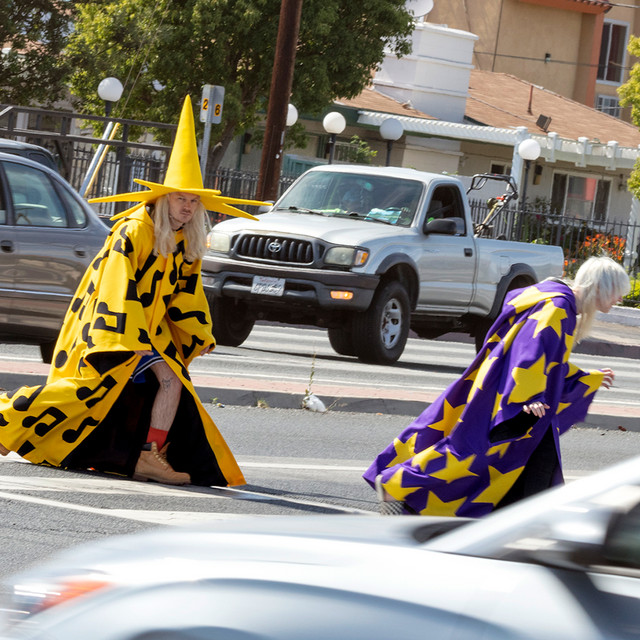
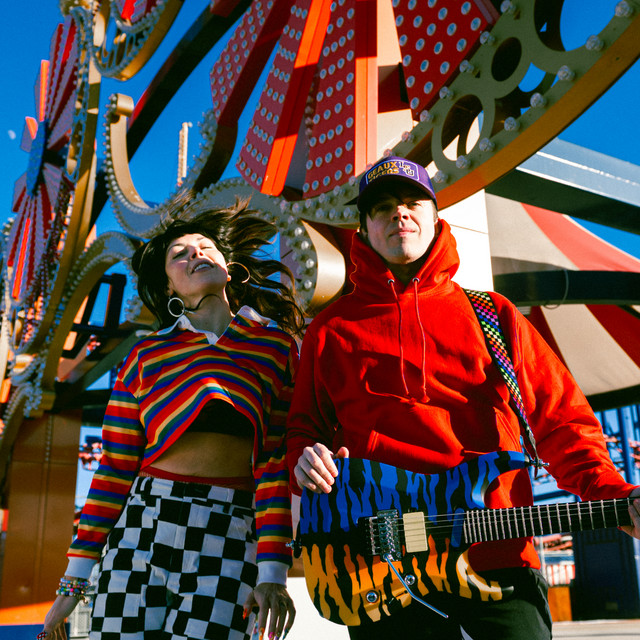
Hyper-rock’s visual and cultural identity mirrors its sound: irreverent, self-aware, and frenetic, yet emotionally direct. Artwork, videos, and live sets often reference net art, Y2K nostalgia, and meme culture. Despite its online-first nature, the scene increasingly translates to the stage, with bands hybridizing backing tracks, live drums, and guitars for high-impact shows.
As producers incorporate metal, industrial, and drum’n’bass textures, hyper-rock continues to mutate, influencing modern alternative rock and neon-tinged pop-punk revivals. Its flexible toolkit—part DAW wizardry, part garage-band spirit—keeps it adaptable and future-facing.