Your digging level
Description
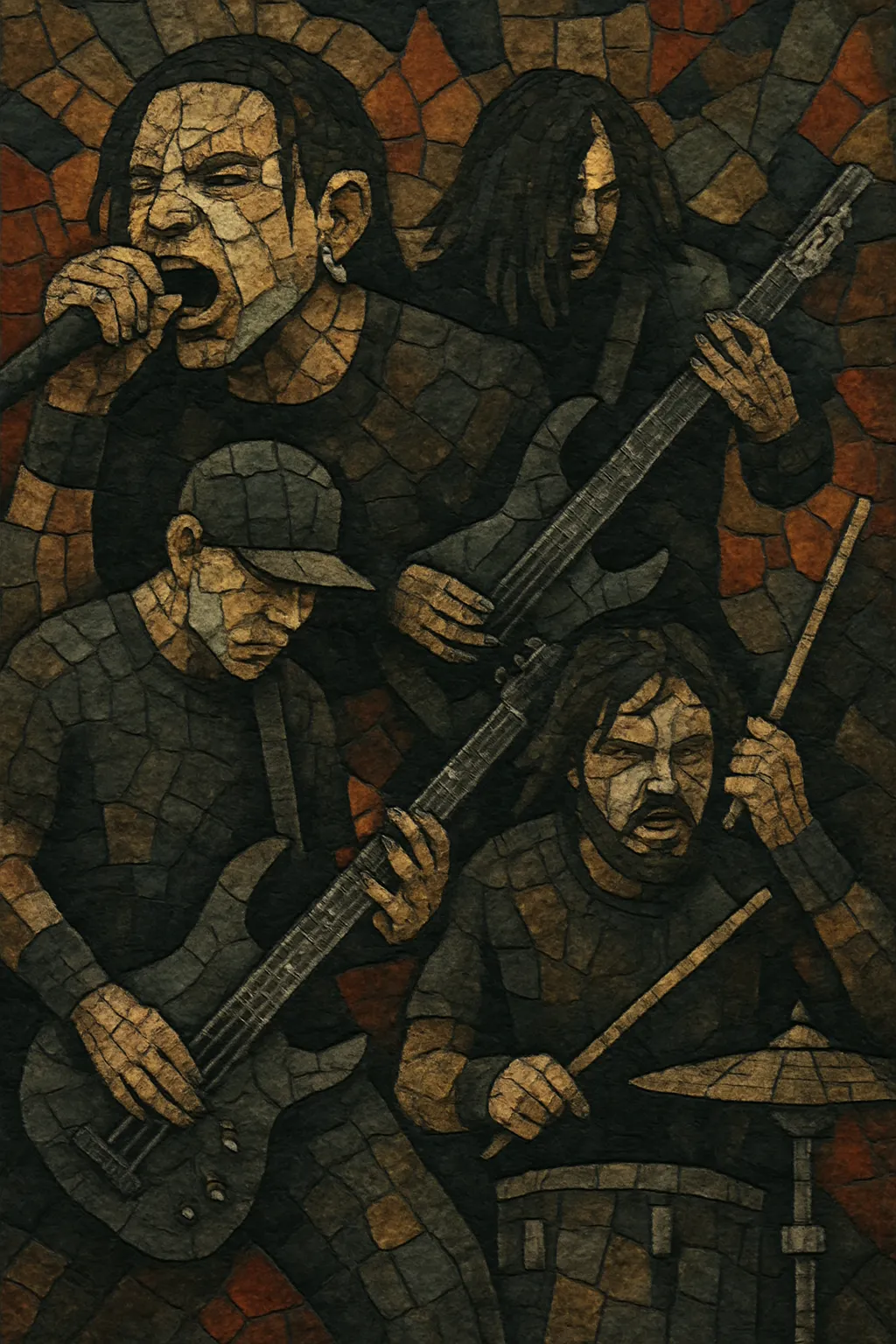
Nu metal is a hybrid style that fuses the weight and riff-centric attack of heavy metal with hip‑hop rhythms, turntablism, funk bounce, and the angst‑laden melodicism of alternative rock. It favors down‑tuned, percussive guitar work, punchy bass lines, and groove‑heavy drum patterns over extended solos.
Vocals often switch rapidly between rapped verses, shouted/screamed passages, and soaring melodic choruses. Production tends to be glossy yet bass‑forward, frequently incorporating DJ scratches, samples, electronic textures, and syncopated, hip‑hop‑influenced beats. Lyrical themes commonly explore alienation, trauma, social pressure, and catharsis.
The result is an accessible but aggressive sound that emphasizes groove, dynamics, and hook‑writing as much as heaviness.



History
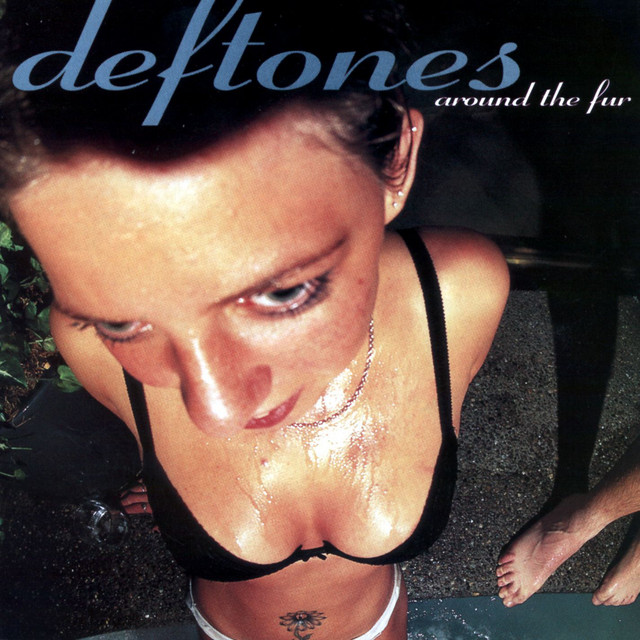
Bands such as Faith No More and Rage Against the Machine helped normalize rap‑influenced vocals over heavy, groove‑oriented guitars. The pivotal spark arrived with Korn’s 1994 debut, which established many nu metal hallmarks: seven‑string, down‑tuned guitars; syncopated, percussive riffing; hip‑hop‑leaning rhythms; and intensely confessional lyrics. Deftones and Coal Chamber expanded the template with atmospheric textures, dynamic contrasts, and a darker alternative metal edge.
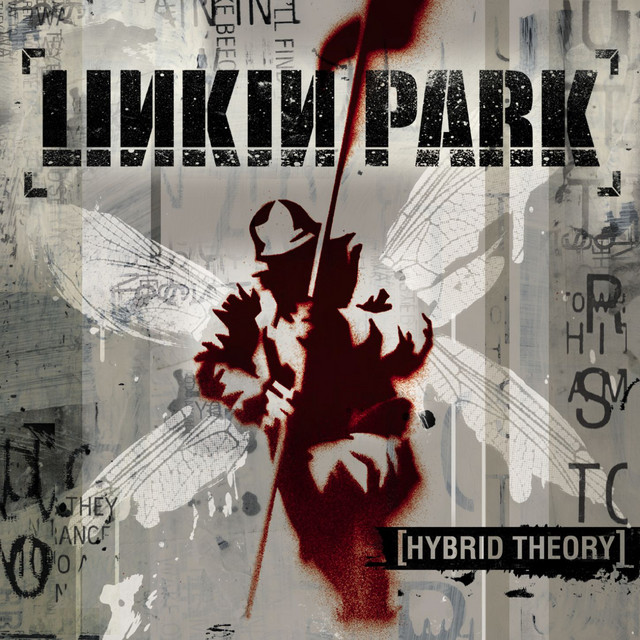
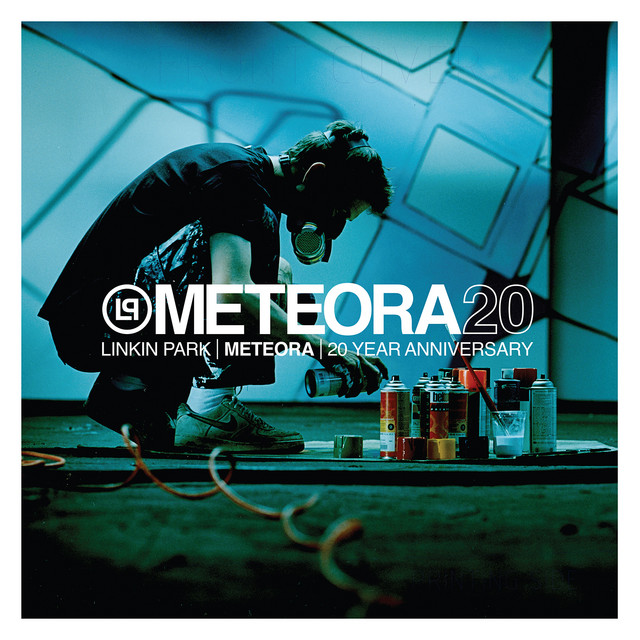
The late 1990s saw nu metal dominate rock radio and MTV. Korn’s Follow the Leader (1998), Limp Bizkit’s Significant Other (1999), and Slipknot’s self‑titled debut (1999) pushed the sound into arenas. Linkin Park’s Hybrid Theory (2000) blended crisp pop hooks with rap vocals and electronic polish, becoming one of the best‑selling rock albums of the era. Papa Roach, Disturbed, P.O.D., and System of a Down each brought distinct flavors—whether melodic rap‑rock, chant‑driven anthems, or politically charged experimentation—while touring festivals like Ozzfest cemented nu metal’s cultural presence.
By the mid‑2000s, critical fatigue and shifting tastes (post‑hardcore/metalcore’s rise, indie/garage revivals) cooled nu metal’s ubiquity. Many bands evolved: Deftones leaned further into artful, atmospheric heaviness; Slipknot embraced extreme metal elements; and others stripped back overt hip‑hop features. The core vocabulary—low tunings, groove emphasis, and dynamic clean‑chorus releases—remained influential across heavy music.
A nostalgic and revisionist wave reframed the genre’s strengths: concise hooks, rhythmic immediacy, and emotional directness. New acts and hybrids (from electronicore to trap metal) reintroduced down‑tuned chugs, hip‑hop cadences, and glossy low‑end into contemporary production. Classic albums regained critical appreciation, and festivals/curated tours spotlighted both originators and younger artists updating nu metal’s blueprint for modern audiences.
-
•
Start with a drum loop and sub‑heavy groove.
•Build a simple, syncopated riff in a low tuning that sits in the pocket.
•Topline rap cadence over the verse; craft a contrasting, melodic chorus.
•Add textural samples/turntable elements.
•Refine transitions (stops, filter drops, half‑time switch) to maximize impact.