Your digging level

For this genre
0/8
🏆
Sign in, then listen to this genre to level up

Description

Trap metal is a fusion of contemporary trap production and the aggression of metal and hardcore.

It typically pairs distorted 808 bass, half‑time trap drums, and rapid hi‑hat rolls with screamed or harshly delivered vocals, down‑tuned guitar riffs (live or sampled), and industrial textures.

Aesthetically, it emphasizes raw intensity, mosh‑pit energy, and abrasive sound design while retaining hip‑hop’s hook‑driven song structures and lyrical cadences.

Themes often revolve around alienation, rage, nihilism, and personal struggle, delivered with a visceral, cathartic tone.


Sources: Spotify, Wikipedia, Discogs, Rate Your Music, MusicBrainz, and other online sources

History

Origins (early–mid 2010s)

Trap metal emerged in the 2010s from the online ecosystems of SoundCloud, YouTube, and DIY touring circuits in the United States and the UK. Artists and producers began combining trap’s booming 808s and hi‑hat programming with metal’s distortion, breakdown energy, and screamed vocals. Earlier touchpoints like industrial hip hop and rap metal, as well as punk‑rap’s confrontational delivery, provided a conceptual blueprint.

Breakout and Codification (2016–2018)

The sound crystallized when Scarlxrd (UK) and Ghostemane (US) popularized harsh vocal performances over trap beats and industrial‑tinged sound design. XXXTentacion’s early, distorted, scream‑laden singles pushed the aesthetic into mainstream hip‑hop conversations. City Morgue (ZillaKami & SosMula) further anchored the style with gritty, guitar‑forward production and brawny hooks, cultivating mosh‑heavy rap shows.

Expansion and Scene Building (2019–present)

Through the late 2010s and early 2020s, acts like Jasiah, Dropout Kings, and Mimi Barks expanded the palette, from nu‑metal‑leaning arrangements to more industrial, noise‑washed textures. The scene benefited from the virality of short‑form video platforms and algorithmic playlists, translating online momentum into high‑energy live shows. The style’s sonic DNA bled into adjacent micro‑scenes, informing the aggression and distortion aesthetics of newer internet‑born movements (e.g., rage‑leaning rap and sigilkore), while continuing to evolve with hybrid live/electronic setups.

Aesthetics and Culture

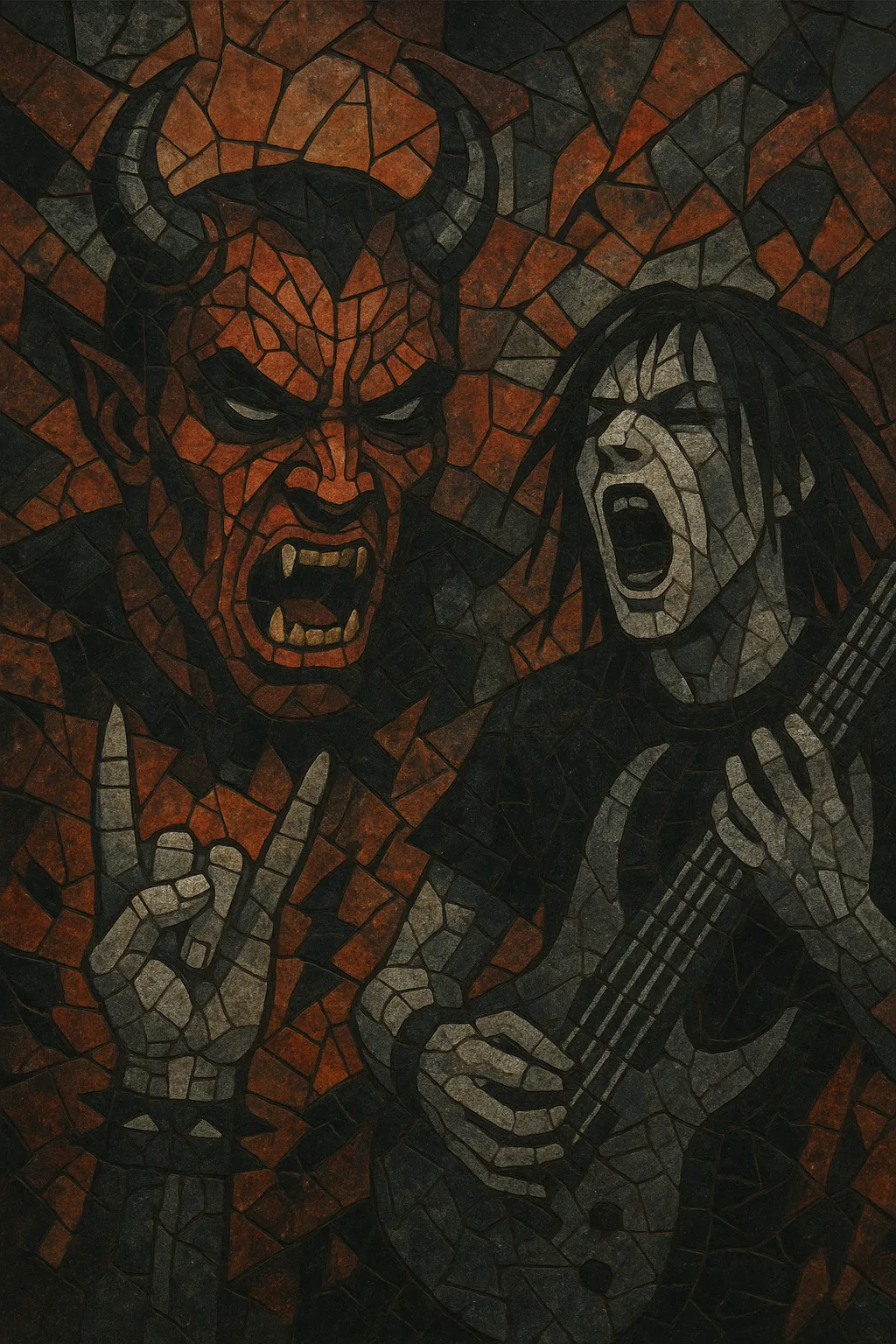
Visuals often feature metal iconography, horror‑adjacent imagery, and DIY streetwear. Performances encourage crowd‑surging and call‑and‑response shouts more akin to hardcore shows than traditional rap gigs. Despite its abrasiveness, trap metal maintains hip‑hop’s concise song forms, hook emphasis, and producer‑led identities.

How to make a track in this genre

Core Rhythm and Tempo
•   Work in a half‑time trap feel around 120–170 BPM (often 130–160). Place the snare on beat 3 (half‑time) or 2 and 4 (double‑time). •   Use rapid hi‑hat rolls, triplet subdivisions, and occasional hat stutters; add sporadic open‑hat accents before downbeats for tension.
Sound Design and Instruments
•   Layer a saturated 808 (with pitch slides) as the sub foundation. Push it into soft clipping/overdrive for grit, then control low‑end with multiband compression. •   Add down‑tuned or baritone guitar riffs (live or sampled). Simple, heavy, palm‑muted patterns and power‑chord chugs work well. •   Introduce industrial textures: metallic hits, noise swells, granular glitches, and distorted drones. Parallel process drums with saturation and transient shaping for punch.
Harmony and Riffs
•   Favor minor keys (D minor, F minor) and modal color (Phrygian, Aeolian). Keep harmony sparse—2–4 chord loops or riff‑based structures. •   Write memorable, rhythmic guitar motifs or synth stabs that lock with kick/808 patterns; leave space for vocals to dominate.
Vocals and Lyrics
•   Alternate between screamed/harsh vocals (false‑cord or fry techniques—warm up and protect your voice) and rapped passages. •   Themes: rage, catharsis, inner turmoil, anti‑establishment attitudes. Keep hooks short, chantable, and percussive to drive crowd participation.
Arrangement and Structure
•   Common form: Intro (noise/swell) → Verse → Hook → Verse/Bridge → Hook → Drop/Outro. Keep tracks tight (≈2–3 minutes) for impact. •   Insert breakdowns and beat‑drop moments (mute drums or guitars briefly) to set up explosive hook entries.
Mixing and Mastering
•   Prioritize vocal intelligibility amid distortion: carve 2–5 kHz for presence, control sibilance, and sidechain to make room for 808/guitars. •   Use parallel saturation and bus compression for cohesion. Aim for high LUFS typical of modern hip‑hop/metal while preserving transient impact.
Live Considerations
•   Hybrid setups (DJ + live guitar/bass/drums) translate well on stage. Encourage crowd interaction and ensure vocal monitoring for safe screaming technique.

Top tracks

Locked
Share your favorite track to unlock other users’ top tracks
Influenced by
Has influenced
Challenges
Digger Battle
Let's see who can find the best track in this genre
© 2026 Melodigging
Melodding was created as a tribute to Every Noise at Once, which inspired us to help curious minds keep digging into music's ever-evolving genres.
Buy me a coffee for Melodigging