Your digging level
Description
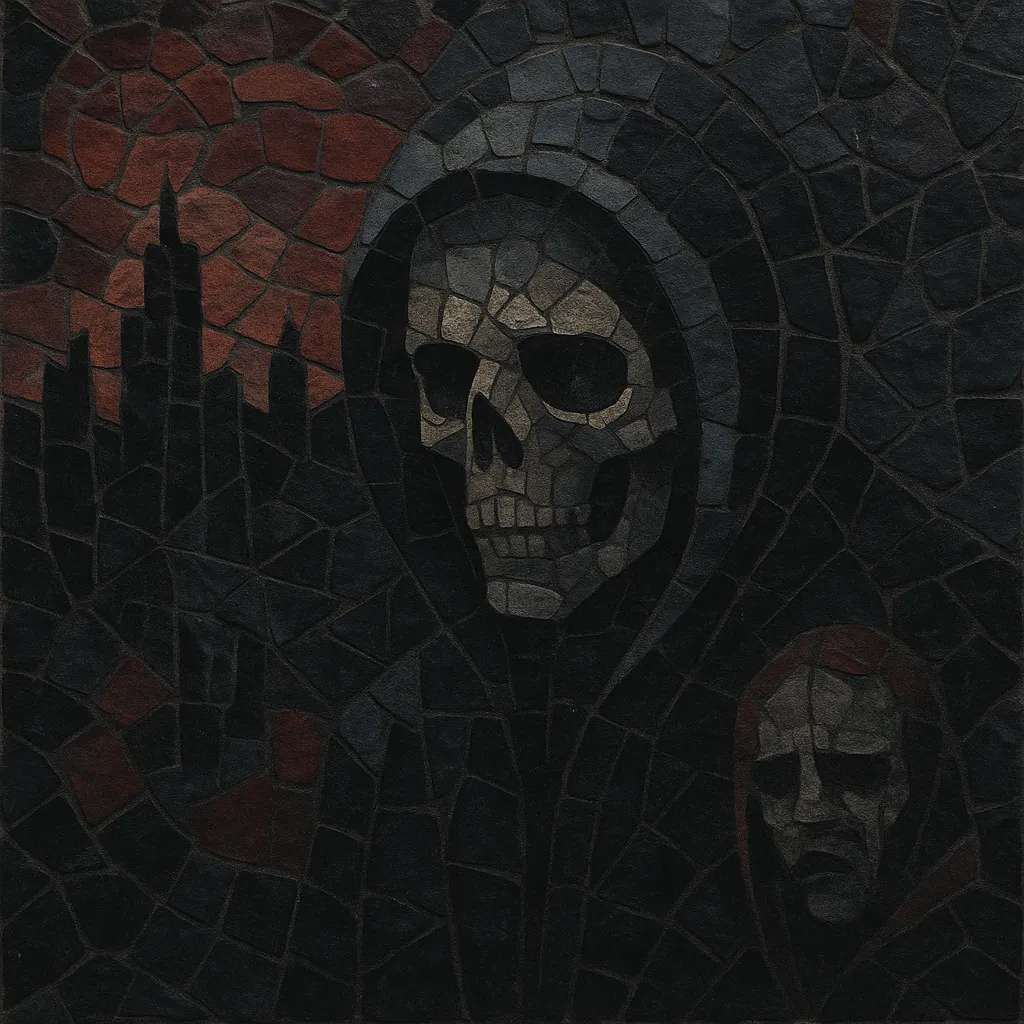
Dark trap is a moody, ominous strain of trap characterized by minor‑key melodies, dystopian pads, bell arpeggios, choirs, and cinematic textures laid over hard‑hitting 808s.
Producers lean on distorted or saturated sub‑bass, rapid hi‑hat rolls, and halftime drum feels to create a sense of menace and weight. Harmonically it favors natural/harmonic minor, Phrygian, and Phrygian‑dominant colors, with sparse motifs, dissonant intervals, and tension‑building sound design.
Vocals often explore themes of nihilism, isolation, urban decay, crime, and horror/occult imagery. Typical tempos sit around 130–150 BPM (felt in halftime around 65–75 BPM), keeping the groove heavy while leaving space for vocals.
History
Dark trap took shape in the early 2010s in the United States as producers blended the drum language of Southern trap with the eerie lo‑fi mood of Memphis rap and the thematic darkness of horrorcore. Parallel internet micro‑scenes—especially Raider Klan and the broader SoundCloud underground—helped codify the bleak, reverb‑soaked aesthetic and reliance on minor scales, drones, and cinematic textures. Witch house’s shadowy synths and industrial hip hop’s abrasion further pulled the sound toward the sinister.
As trap dominated mainstream hip hop, a cluster of producers and artists pushed a darker palette: ominous bell/piano motifs, choir and string stabs, and heavily saturated 808s. Underground figures such as Bones, SpaceGhostPurrp, Night Lovell, and $uicideboy$ popularized a colder, depressive mood, while high‑profile producers like Metro Boomin and Southside brought the menacing sonic language into charting records with artists such as 21 Savage.
YouTube "dark trap type beat" economies, Discord/Reddit communities, and sample marketplaces standardized the genre’s toolkit (gliding 808s, triplet hat grids, horror‑adjacent textures). The aesthetic spilled into adjacent styles: emo rap adopted the downcast ambience; trap metal fused these beats with screamed vocals and guitar distortion; regional scenes (e.g., Latin and European trap) imported the same ominous sound design.
Dark trap remains a production‑led style: a recognizable mood built from minimal motifs, sub‑bass pressure, and cinematic sound design. It continues to evolve through hybridizations with metal, industrial electronics, and ambient influence, while serving as a go‑to backdrop for introspective and menacing rap deliveries.



Top albums