Your digging level

For this genre
0/8
🏆
Sign in, then listen to this genre to level up

Description

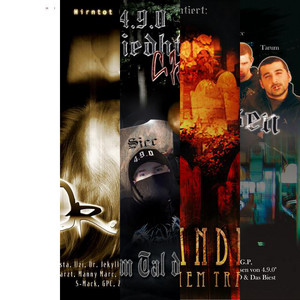
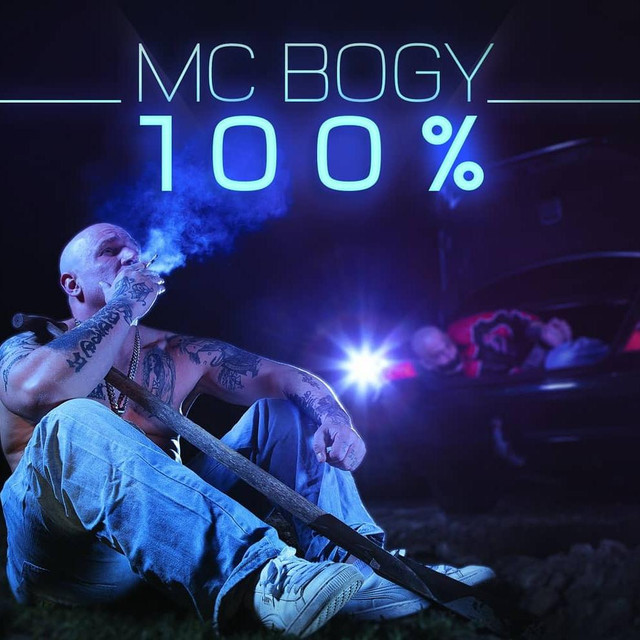
Psychokore is a German underground rap substyle rooted in horrorcore but with a distinctly psychological, claustrophobic focus. It blends street-realism with macabre, inner-monologue narratives about paranoia, trauma, dissociation, and violent fantasies.

Musically it favors ominous, minor-key instrumentals with cinematic and industrial textures: detuned pianos, choirs, church organs, dissonant strings, and bit-crushed drums. Vocals are intense—often growled or shouted—with pitch-shifting, distortion, and multiple ad‑libs to amplify a sense of unhinged immediacy. The result is a dark, aggressive sound that sits between horror cinema and raw Berlin street rap.


Sources: Spotify, Wikipedia, Discogs, RYM, MB, user feedback and other online sources

History

Origins (early–mid 2000s)

Psychokore emerged in Germany in the 2000s, particularly in Berlin’s underground scene. It drew on U.S. horrorcore’s shock-theater lyricism but localized the aesthetic around German urban realities and psyche-focused storytelling. Independent imprints—most famously Berlin collectives—gave the sound a home outside the mainstream, releasing grimy mixtapes and albums that leaned into taboo themes and abrasive sonics.

Consolidation and Identity

By the late 2000s the term “Psychokore” had become a recognizable tag for records that combined horror-rap imagery, psychological introspection, and unforgiving production. Artists embraced cinematic sampling and industrial hip hop textures, while the writing shifted from campy gore to first-person psychodrama: panic attacks, flashbacks, institutionalization, and traumatized street life. Some releases faced youth-protection scrutiny in Germany, which paradoxically reinforced the genre’s outsider identity.

2010s: Wider Footprint, Studio Upgrades

In the 2010s improved home studios and streaming platforms expanded Psychokore’s reach. Production quality rose—cleaner drums, wider mixes—without losing the genre’s hostile edge. Crossovers appeared with trap metal and dark trap, while collaborations among German underground rappers kept Psychokore’s DNA visible across adjacent scenes.

Aesthetic Legacy

Psychokore helped codify a distinctly German variant of horror-inflected rap: colder, more psychological, and steeped in metropolitan dread. Its vocal distortion, cinematic scoring, and raw confessionals influenced later waves of dark rap, gothic rap, and hybrid metal/rap projects across German-speaking regions.

How to make a track in this genre

Rhythm & Tempo
•   Core feels at 80–95 BPM; double‑time passages can push the energy to 150–160 BPM equivalents. •   Drum programming emphasizes heavy, saturated kicks, snappy (often gated) snares, and sparse but punishing hi‑hats. Occasional halftime drops enhance menace.
Sound Palette & Harmony
•   Minor keys (Aeolian, Phrygian) and chromatic, cluster-like dissonances. •   Instruments: detuned piano, pipe/choir organs, string stabs, low choirs, metallic hits, sirens, and industrial foley. •   Use cinematic samples (old crime documentaries, news clips, horror cues) as scene‑setters; low-pass/filter or bit‑crush for a "damaged tape" feel.
Vocals & Delivery
•   Aggressive projection: growls, shouted hooks, layered ad‑libs/panned whispers to simulate intrusive thoughts. •   Occasional pitch-shift (down) or light distortion on leads for a deranged timbre. •   German-language phrasing with regional slang; tight internal rhymes and vivid, sensory imagery.
Lyrics & Themes
•   Psychological focus: trauma recollections, paranoia, medication, nightmares, and ethically strained survival scenarios. •   Blend street reportage with first-person psychodrama; avoid cartoonish gore unless it serves metaphor or narrative. •   Build tension with unreliable narration, sudden perspective flips, and sonic jump‑cuts.
Arrangement & Mix
•   Intros with ambience/field recordings or phone/intercom snippets; 16s or 24s for verses, explosive hooks. •   Keep low end monolithic; sidechain pads/choirs to the kick for breathing room. •   Tasteful saturation and tape hiss glue the atmosphere; reverbs are dark, short, and often gated.
Performance & Stagecraft
•   Minimal lighting, strobes, and red/blue washes evoke interrogation or emergency scenes. •   Backing screams/ad‑libs reinforce the "voices in the head" motif during live sets.

Top tracks

Locked
Share your favorite track to unlock other users’ top tracks

Upcoming concerts

in this genre
Influenced by

Download our mobile app

Get the Melodigging app and start digging for new genres on the go
© 2026 Melodigging
Melodding was created as a tribute to Every Noise at Once, which inspired us to help curious minds keep digging into music's ever-evolving genres.
Buy me a coffee for Melodigging