Your digging level
Description
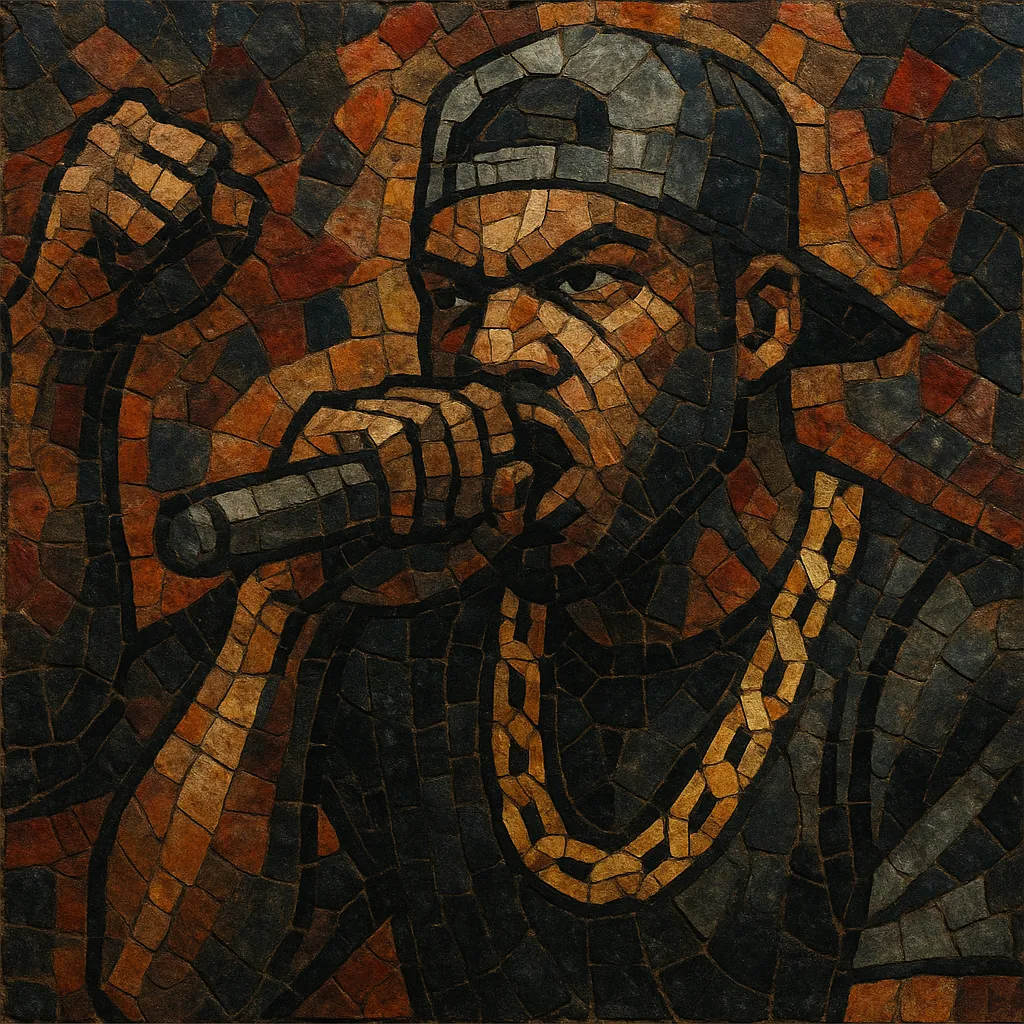
Hardcore hip hop is a confrontational, uncompromising strain of rap defined by aggressive vocal delivery, hard-hitting drum programming, and stark, sample-driven production. It prioritizes intensity over gloss, often minimizing melody in favor of dense drum breaks, sirens, noise textures, and dissonant stabs.
Lyrically, it spans street reportage, social realism, political critique, and battle-ready braggadocio. The aesthetic foregrounds rawness—distorted drums, clipped samples, shouted hooks, and posse energy—while drawing deeply from funk and soul breakbeats, DJ techniques, and the boom-bap tradition.
History
Hardcore hip hop crystallized in the mid-to-late 1980s United States as artists pushed beyond party-oriented old school norms toward harder sonics and grittier narratives. Run-DMC’s stripped-down minimalism, Schoolly D’s stark street realism, and Boogie Down Productions’ battle-tempered urgency set the tone. The East Coast’s boom-bap—sample-heavy beats with crushing snares—provided the backbone.
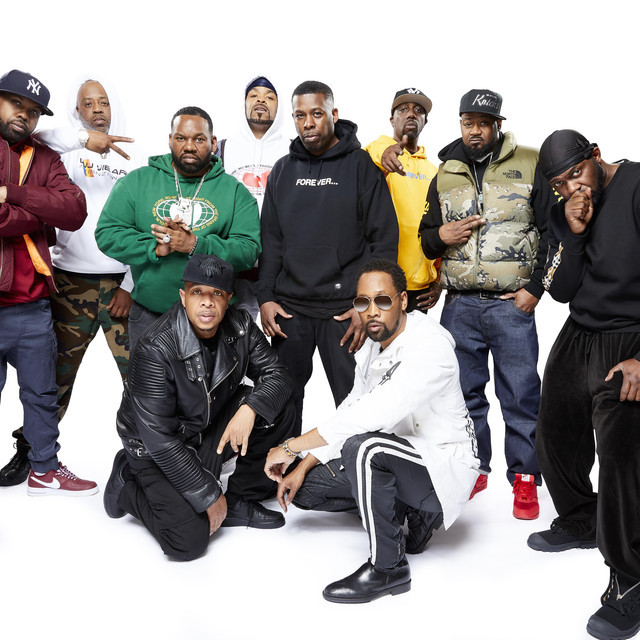
Public Enemy magnified the form with militant rhetoric and The Bomb Squad’s noise-collage production, turning hardcore hip hop into a vehicle for political confrontation. Wu-Tang Clan redefined crew dynamics with raw, dust-laden beats and multiple rugged voices; Mobb Deep distilled bleak urban atmospheres into chilling, minor-key loops; Onyx and M.O.P. delivered shout-along, mosh-ready anthems that brought hardcore’s physicality center stage.
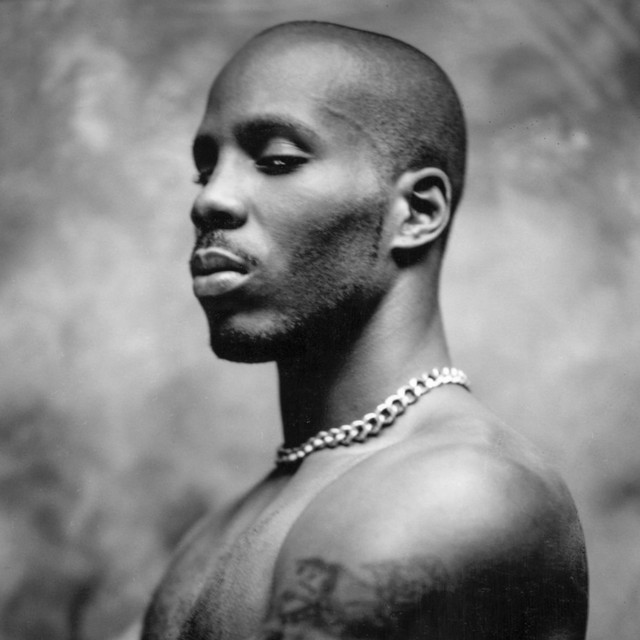
The style’s aggression and sparse harmonic content influenced adjacent movements: horrorcore’s macabre extremity, underground hip hop’s anti-commercial stance, and the guitar-driven fusions of rap rock/rap metal/nu metal. Artists like DMX kept the sound commercially dominant while preserving its ferocity, and battle-centric lyricism flourished in both mainstream and underground circles.
Hardcore’s DNA persists in gritty East Coast revivals, rugged underground releases, and live performance practices (call-and-response hooks, hype-men, posse cuts). Its emphasis on punchy drums, uncompromising lyricism, and street-level detail remains a touchstone for artists seeking immediacy and impact.


%2C%20Cover%20art.webp)