Your digging level
Description
Rap rock is a fusion genre that combines hip hop’s rhythmic, percussive vocal delivery and DJ/sampling techniques with the timbre, riffs, and energy of rock guitar, bass, and drums.
Typical tracks feature rapped verses over a strong backbeat and groove, then explode into sung or shouted rock choruses with big, anthemic hooks. Guitar parts often use distorted power‑chord riffs or funk‑inflected patterns, while drums lock into hip hop–style kick–snare placements. The result ranges from swaggering, groove‑heavy cuts to aggressive, mosh‑ready anthems that remain catchy and radio‑friendly.


History
Rap rock emerged in the United States during the 1980s as hip hop and rock increasingly crossed paths. A landmark moment was Run‑D.M.C. and Aerosmith’s 1986 rework of “Walk This Way,” which put rap vocals on a hard‑rock foundation and reached a mass audience. Around the same time, the Beastie Boys brought rock sampling, live instrumentation, and punk attitude into hip hop, while Red Hot Chili Peppers and Faith No More folded rapped delivery into funk‑rock and alternative frameworks.
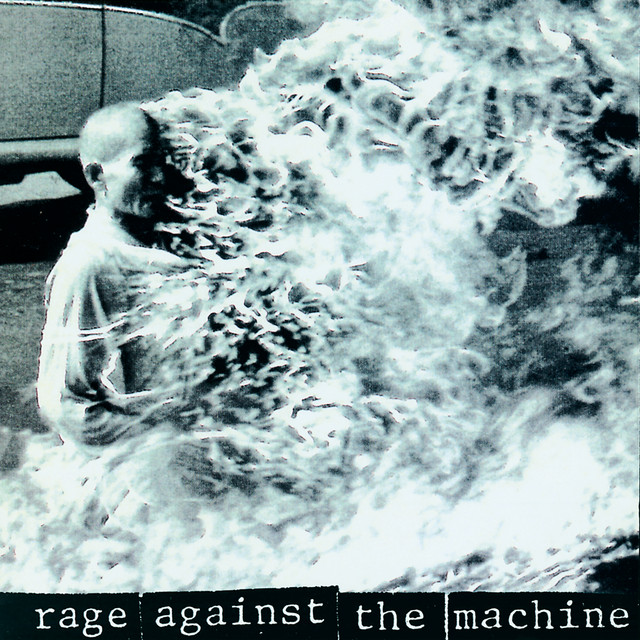
The early 1990s saw the fusion mature. Faith No More’s The Real Thing (1989) and Rage Against the Machine’s self‑titled debut (1992) showcased tight riffing, politically charged raps, and live rhythm sections. The Judgment Night (1993) soundtrack famously paired hip hop artists with rock/metal bands, normalizing high‑profile crossovers. Acts like 311 blended rap, rock, reggae, and funk, widening the style’s palette.
By the late 1990s, rap rock reached mainstream saturation through the nu metal wave. Limp Bizkit, Kid Rock, Papa Roach, P.O.D., and especially Linkin Park fused rapped verses with heavy riffs and melodic choruses, dominating radio, MTV, and festivals. The period produced multi‑platinum albums and ubiquitous singles, while collaborations like Jay‑Z and Linkin Park’s Collision Course (2004) underlined the crossover’s cultural reach.
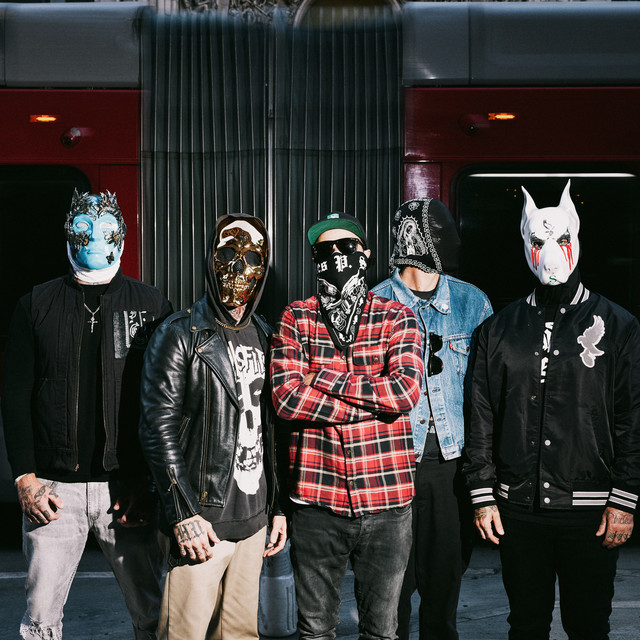
After the early‑2000s peak, the style receded from the center of pop culture but continued evolving. Some artists leaned pop or electronic, others doubled down on punk/hardcore edges (rapcore), and newer hybrids folded in trap production. Acts such as Hollywood Undead kept charting with hook‑driven rap rock, while the genre’s DNA remains audible across alternative metal, punk rap, and modern radio rock. Today, rap rock persists as a flexible toolkit—riffs, backbeats, and punchy bars—reappearing in cycles and collaborations across scenes.