Your digging level
Description
Grebo is a short‑lived British subculture and loosely defined subgenre of alternative/indie rock that fused punk energy, sample‑driven electronic dance grooves, hip hop rhythms, and flashes of psychedelia.
Sonically, it feels like a raw, futuristic strain of alternative dance: dirty, fuzz‑laden guitars riding breakbeats and looped samples, with barked or semi‑rapped vocals, collage aesthetics, and a knowingly trash‑culture sense of humor. The scene clustered in England’s Midlands (notably around Stourbridge and Leicester) and peaked from the late 1980s into the early 1990s, just before the rise of Britpop and the global breakthrough of grunge.
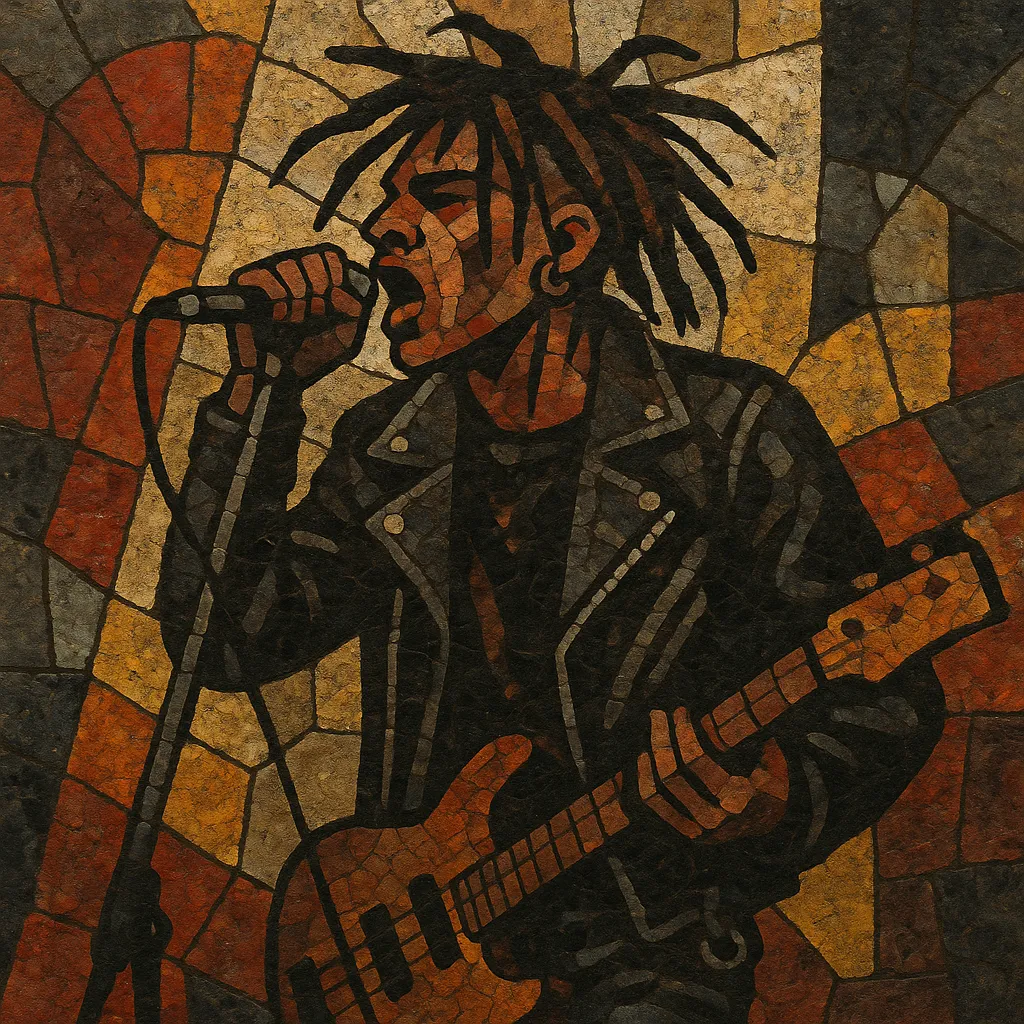
Aesthetically, grebo embraced an anti‑fashion biker/crust look—dreads or lank hair, army boots, leathers, cut‑and‑paste flyers—mirroring its hybrid, scuzzy mix of garage‑rock riffing and beat‑driven sample play.




History
Grebo coalesced in the English Midlands as indie and punk groups began absorbing hip hop turntablism and sample collage, industrial abrasion, and the four‑to‑the‑floor momentum of electronic dance music. Local gigs, biker clubs, and college venues nurtured a scruffy, high‑octane sound that the UK music press tagged “grebo,” a reclaimed slur for grubby biker types. From the start, the approach prized breakbeats and sampling as much as bar‑band riffs, aligning the scene with the broader alternative dance current.
Between roughly 1988 and 1991, grebo acts issued sample‑heavy singles and raucous live sets that felt at once garage‑rock and club‑savvy—fuzz guitars over looping drum machines, siren stabs, and scratched hooks. The press coverage, zines, and touring circuits around the Midlands (and into cities like Leicester) gave the style a recognizable identity and look: cut‑and‑paste visuals, irreverent lyrics, and an anti‑slick ethos.
Grebo rose alongside other UK hybrids—industrial rock, indie dance, and the baggy/Madchester wave—sharing club culture’s breakbeats while keeping a bar‑band rawness that set it apart from shinier pop crossover acts. Its DIY stance and sample logic also intersected with post‑punk experimentation and the oncoming breakbeat revolution.
By the early 1990s, grebo’s profile waned as Britpop, US grunge, and harder rave/breakbeat styles took center stage. Yet its DNA—punk‑meets‑beats attitude, sample collages, and riff‑plus‑breakbeat songwriting—fed into rap rock, big beat, indie dance, and later electronic‑rock fusions. The scene’s irreverent, hybrid spirit anticipated how 1990s alternative music would happily splice guitars, samples, and club rhythms.

![Bentley's Gonna Sort You Out [playlist 2]](https://i.scdn.co/image/ab67616d0000b273ce8eaccc14007b430bc4fb92)