Your digging level

For this genre
0/8
🏆
Sign in, then listen to this genre to level up

Description

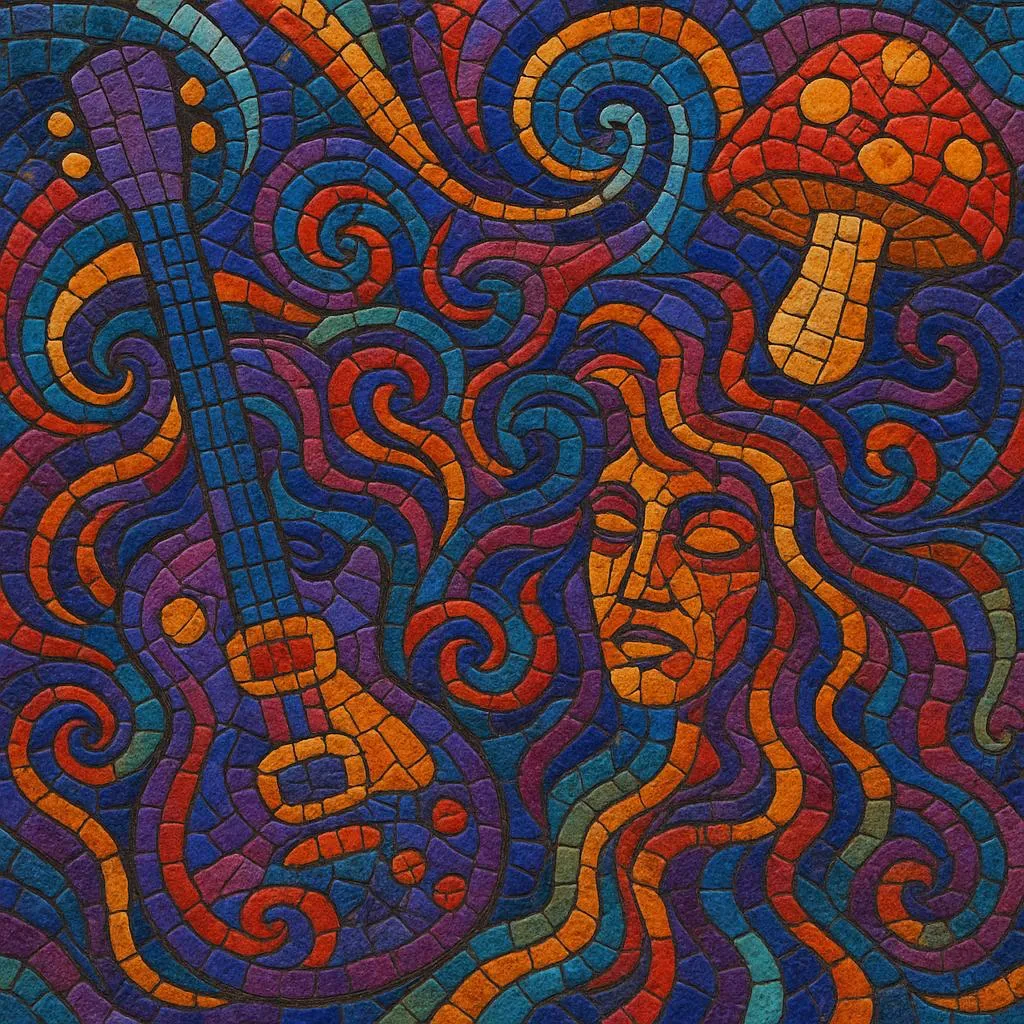
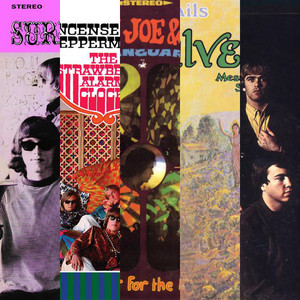
Psychedelic rock is a style of rock music that seeks to evoke, simulate, and expand altered states of consciousness through sound.

It typically features timbral experimentation (fuzz, wah, tape delay, phasing), drones, modal or raga-influenced harmony, extended improvisation, studio-as-instrument production, and surreal, mystical, or mind-expanding lyrics.

Emerging from mid-1960s counterculture, it fused garage-band energy with folk, blues, and non-Western musical ideas—especially Indian classical ragas—while embracing new studio technologies and concert light shows.

Both a live and a studio art, psychedelic rock ranges from jangly, kaleidoscopic pop to heavy, hypnotic jams and cosmic soundscapes.


Sources: Spotify, Wikipedia, Discogs, RYM, MB, user feedback and other online sources

History

Origins (mid‑1960s)

Psychedelic rock crystallized in the mid‑1960s as the rock wing of a broader psychedelic movement in arts and youth culture. American folk and blues revivals, amplified garage bands, the studio breakthroughs of cutting‑edge pop/rock, and burgeoning interest in Indian classical music all converged. Musicians began using modal harmony, drones, and nonstandard song forms while embracing new sounds: fuzz and wah‑wah guitar, tape speed manipulation, backwards tracking, looped textures, and reverb/echo swirls.

Scenes and Breakthroughs (1966–1968)

Regional scenes formed rapidly—most famously in San Francisco’s Haight‑Ashbury and in London’s underground clubs—where extended improvisations, light shows, and communal concerts defined the live experience. The “Summer of Love” (1967) marked a cultural zenith: concept-forward albums and singles showed how studio craft could mirror mind‑expanding experiences. Psychedelic aesthetics—kaleidoscopic artwork, surreal lyrics, and exploratory jams—became central to rock’s identity.

Expansion and Transformation (late 1960s–early 1970s)

As the decade turned, psychedelic approaches diversified. Some groups pursued heavier riffs and longer forms that helped seed hard rock, heavy psych, and stoner antecedents; others extended modal and textural experimentation into space‑rock and progressive rock. On the continent, bands blended motorik rhythms, electronics, and improvisation to forge new pathways later called krautrock. Even soul, funk, and pop absorbed psychedelic color into their arrangements, birthing parallel styles like psychedelic soul.

Legacy and Revivals (1980s–present)

Although the original wave ebbed in the early 1970s, its DNA permeated rock thereafter. Neo‑psychedelia revived the palette with post‑punk and indie tools; dream pop and shoegaze reinterpreted its drones and blissed textures; and contemporary psych scenes worldwide—often with analog synths, microtonal guitars, or global folk instrumentation—continue to explore its kaleidoscopic possibilities.

How to make a track in this genre

Core Aesthetics
•   Aim to create a sense of expanse and altered perception through timbre and space. Favor swirling textures, drones, and evolving layers over strict verse–chorus literalism.
Harmony & Melody
•   Use modal centers (Dorian, Mixolydian, Aeolian) and pedal drones; jam on a single tonal center to encourage hypnotic grooves. •   Borrow from Indian classical: sustain a tanpura-like drone, outline raga‑style stepwise motifs, and avoid frequent functional cadences. •   Color chords with suspended tones (sus2/sus4), 7ths/9ths/11ths, parallel organ or guitar lines, and open-string voicings.
Rhythm & Form
•   Lock into mid‑tempo, danceable but unhurried grooves; congas/tambourines/shakers add trance‑like motion. •   Allow forms to stretch: introspective builds, instrumental codas, or A‑section vamps that blossom into solos. •   Experiment with odd meters (5/4, 7/8) or additive feels; use ostinatos to anchor long improvisations.
Instrumentation & Sound Design
•   Guitars: fuzz, germanium overdrive, wah‑wah, octave fuzz; slow phaser (0.3–0.6 Hz), Univibe, vibrato/tremolo. •   Keyboards: Farfisa/Vox organs, Mellotron/strings, electric piano; simple, modal lines and drones. •   Bass: warm, rounded tone; pedal notes and melodic countermelodies. •   Drums: roomy, open kit; ride‑cymbal wash; tom‑based patterns during climaxes. •   Studio: tape slap, spring/plate reverb, delay feedback swells, reversed guitar or cymbals, varispeed, double‑tracking, manual flanging.
Lyrics & Themes
•   Evoke inner journeys, nature, mysticism, synesthesia, dream imagery. Use metaphor, surrealism, and open‑ended narratives rather than literal plots.
Arrangement Tips
•   Start sparse (drone + light percussion), add chromatic “sparkles” (bells, glockenspiel), then introduce fuzz/wah for dynamic lift. •   Contrast bright, jangly sections with heavy, saturated climaxes; let textures breathe with breakdowns and space.
Performance Practice
•   Encourage interplay: trade short motifs among guitar/keys/bass; build solos from modal cells rather than scale runs. •   Live, use visual reinforcement (lights, projections) and dynamic pacing: long arcs with tension–release cycles.

Top tracks

Locked
Share your favorite track to unlock other users’ top tracks

Upcoming concerts

in this genre
Influenced by
Has influenced

Download our mobile app

Get the Melodigging app and start digging for new genres on the go
© 2026 Melodigging
Melodding was created as a tribute to Every Noise at Once, which inspired us to help curious minds keep digging into music's ever-evolving genres.
Buy me a coffee for Melodigging