Your digging level
Description
Psychedelic pop is a 1960s-born fusion that marries the hook-driven immediacy of pop with the timbral color, studio experimentation, and altered-perception aesthetics of psychedelic music.
It favors concise song forms and memorable melodies while introducing unusual sounds (sitar, Mellotron, harpsichord), tape effects (backmasking, varispeed, flanging), and surreal or whimsical imagery. Compared to psychedelic rock, it is brighter, more tuneful, and radio-friendly, often wrapping adventurous production techniques in singable choruses and lush vocal harmonies.
History
Psychedelic pop emerged in the mid-1960s as British and American pop acts began absorbing psychedelic ideas from avant-garde studio practices, non-Western musics (particularly Indian classical via raga rock), and the burgeoning psychedelic rock scene. Groups sought to expand pop’s sonic palette without abandoning concise songcraft, using novel instruments (sitar, Mellotron), orchestral color, and tape-based effects.
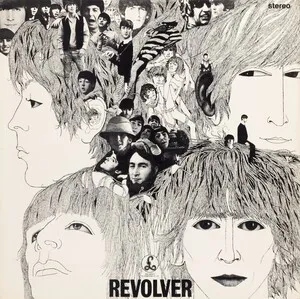
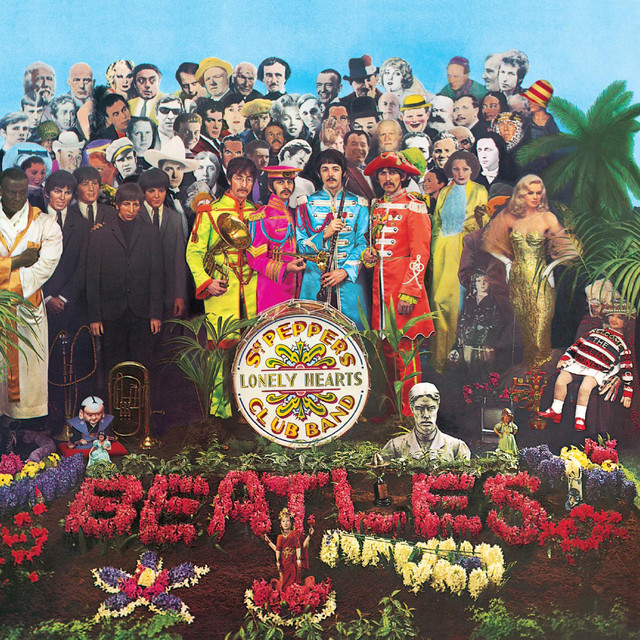
Landmark recordings such as The Beatles’ Revolver and Sgt. Pepper’s Lonely Hearts Club Band, The Beach Boys’ Pet Sounds and Smile-era singles, The Zombies’ Odessey and Oracle, and The Left Banke’s baroque-tinged singles defined the genre’s melodic richness and experimental production. Radio hits by The Turtles, The Monkees, and The Electric Prunes brought psychedelic textures to mainstream audiences, while British and West Coast scenes cross-pollinated ideas.
By the late 1960s, the sound branched into sunshine pop’s luminous harmonies, power pop’s taut hooks, and the softer contours of early soft rock. As heavier and more improvisatory strains of psychedelia and hard rock rose, psychedelic pop receded from the center, though many of its techniques—ADT, phasing, tape loops, orchestral-pop blends—became part of the studio language of popular music.
Neo-psychedelia and indie pop in the 1980s–1990s revived its kaleidoscopic textures and melodic sensibility, feeding into dream pop and later shoegaze’s hazy atmospherics. Contemporary artists continue to adopt its bright timbres, modal colors, and whimsical lyricism, proving that adventurous sound design can coexist with classic pop economy.
Use jangly or lightly overdriven electric guitars, bass, and a crisp pop drum kit. Add psychedelic colors: Mellotron or orchestral strings, harpsichord, Hammond/ Vox organs, hand percussion (tambourine), and occasional sitar or drone. Layer tight multi-part vocal harmonies.
Write strong, singable melodies. Explore modal flavors (Lydian, Mixolydian), drones, and colorful chord moves (bVII, bVI, secondary dominants, borrowed chords). Keep forms concise (2–4 minutes) with clear hooks, but allow a middle-eight or brief bridge for harmonic surprise.
Favor mid-tempo grooves with a buoyant backbeat. Use simple, danceable rhythms; occasional metric feints or half-time sections can add trippiness without losing pop clarity. Aim for verse–chorus structures augmented by brief instrumental interludes.
Blend everyday pop romance with surreal, childlike, or dreamlike imagery. Employ vivid sensory details, synesthetic metaphors, and playful wordplay. Keep lines memorable and chorus-centric.
Embrace 60s-flavored effects: ADT, tape delay, spring/plate reverb, phasing/flanging, reverse tape, varispeed, and tape loops. Double-track vocals, pan elements for stereo play, and use contrasting sections (dry vs. heavily processed) to create a kaleidoscopic feel. Orchestral overdubs and found sounds can enhance the atmosphere.
Start with a hook (riff, Mellotron line, or vocal motif). Introduce one new color per section (e.g., harpsichord in the pre-chorus, tambourine in the chorus). Keep the mix bright and balanced—psychedelic textures should decorate, not obscure, the melody.

Top albums