Your digging level
Description
Paisley underground is a 1980s Los Angeles–centered guitar-pop movement that revived the jangly chords, kaleidoscopic harmonies, and exploratory spirit of 1960s psychedelic and folk-rock. Its sound typically blends chiming 12‑string guitars, fuzzed or tremolo‑laden leads, Farfisa/Vox organs, and close vocal harmonies, with a production aesthetic that favors analog warmth, spring reverb, and tape‑like haze.
Aesthetic touchstones include The Byrds, Love, The Velvet Underground, and West Coast psychedelia, reframed through power‑pop songcraft and a DIY post‑punk ethos. Songs often carry a dreamy, nostalgic tint—minor-key wistfulness, modal turns, and drone‑friendly textures—while keeping to concise, hook‑forward forms.



History
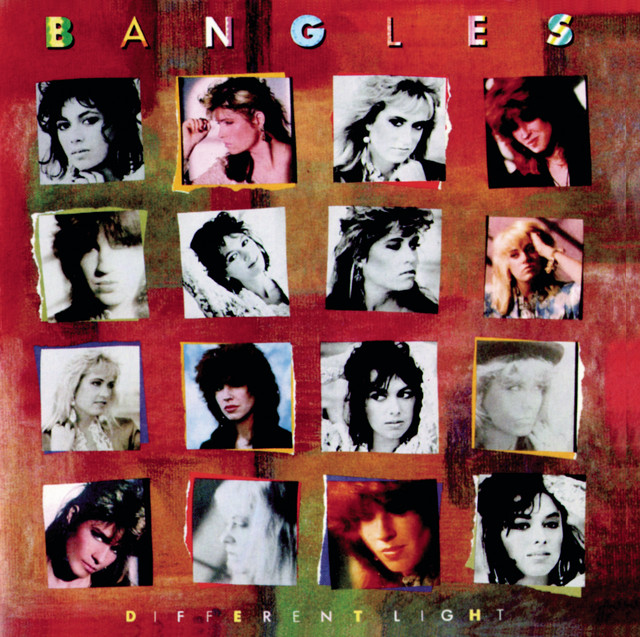
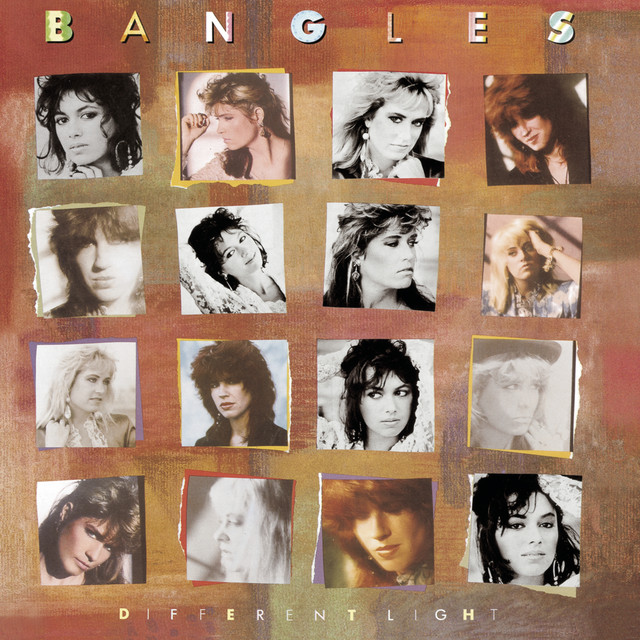
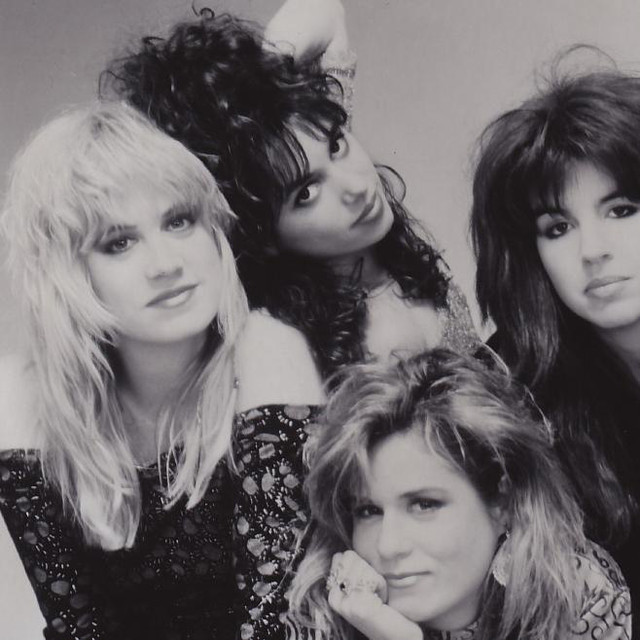
Emerging in Los Angeles around the early 1980s, Paisley underground coalesced among bands who loved 1960s guitar pop and psychedelia but approached it with an indie/DIY mindset. Small clubs and college radio fostered the scene, while shared influences (The Byrds, Love, VU) and gear choices (Rickenbacker 12‑strings, vintage combos, Farfisa/Vox) created a recognizable sound. Early linchpins included The Dream Syndicate, Rain Parade, The Three O'Clock, Green on Red, and The Bangles.
By the mid‑1980s, the scene was locally prominent and increasingly visible nationwide. Collaborative projects like the Rainy Day album (a supergroup of scene members covering 1960s songs) crystallized its curatorial spirit. Some groups leaned rootsier (Green on Red, The Long Ryders), others leaned pop (The Three O'Clock, The Bangles), and others stretched into droning or darker psychedelia (The Dream Syndicate, Opal). College radio, fanzines, and indie labels amplified the movement.
As the decade wore on, bands evolved in divergent directions—some toward mainstream pop success, others toward alt‑country, neo‑psych, or dream‑pop spaces. Although the scene itself was relatively brief, its influence proved wide: it helped seed neo‑psychedelia’s 1980s/1990s waves, shaped indie and alternative rock guitar aesthetics, informed garage‑rock revivals, and nudged the emergence of dreamier, reverb‑washed forms later associated with dream pop and adjacent styles.