Your digging level
Description
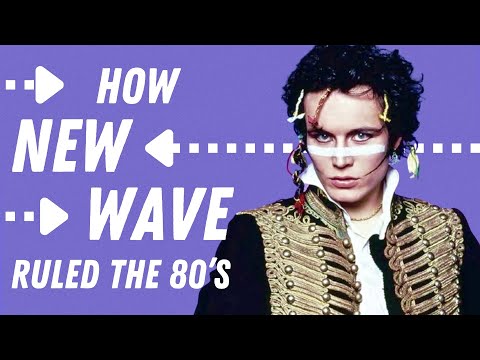
New wave is a broad, pop-oriented umbrella for styles that emerged in the mid-to-late 1970s as a sleeker, more melodic outgrowth of punk culture.
Initially, the term varied by region: in the United States it was first used by critics and labels (famously Sire Records’ “Don’t Call It Punk” campaign in 1977) to rebrand punk-associated artists with more radio-friendly aesthetics; in the United Kingdom it encompassed a wider constellation of fresh, stylish post-punk-era sounds. Over time, “new wave” became a catch‑all for hooky guitar pop, synth-driven songs, danceable rhythms, and modernist production sensibilities.
Sonically, it blends tight, upbeat rhythms (often disco- and reggae-informed), clean chorus/flanger guitars, prominent synthesizers, and concise, hook-led songwriting. Its visual identity—sharp suits, futurist imagery, and fashion-forward presentation—was integral, aligning with the rise of music television and emphasizing art-school wit, irony, and modern urban themes.



History
As punk exploded in 1976–77, many bands adopted its energy and DIY spirit but favored melody, wit, and broader pop appeal. In the U.S., critics initially used “new wave” to tag New York’s punk-adjacent scene, and Sire Records popularized the term in 1977 to distance marketable artists from the harsher image of “punk.” In the U.K., the term immediately covered a wider range of fresh, modern styles—some punk-related, others parallel.
By 1978–79, new wave encompassed artists who merged sharp guitar pop, disco’s rhythmic precision, art-rock sophistication, reggae/ska inflections, and (increasingly) synthesizers. The result was concise, hook-rich singles, sleek production, and an emphasis on novelty and style. Independent labels and tastemaker press nurtured a wave of bands that were fashion-forward and media-savvy.
With the advent of MTV (1981), image and video became central. British acts in particular leveraged striking visuals alongside catchy songs, fueling the “Second British Invasion” of U.S. charts. Drum machines, gated reverb snares, chorus-soaked guitars, and analog polysynths defined the era’s sound, while new wave overlapped with synth-pop, alternative dance, and the chic romanticism of the New Romantic movement.
As the decade progressed, the term waned in active use while its components fed directly into alternative rock, indie pop, dance-rock, jangle pop, and later revivals (post‑punk revival, dance‑punk, synthwave). New wave’s fusion of art-school attitude, strong hooks, and dancefloor-friendly beats remains foundational to modern pop/rock production and aesthetics.
-
•
Set 125 BPM, four-on-the-floor kick, tight hi-hat, crisp snare.
•Write a two-bar guitar riff with chorus effect; add a simple, singable synth hook.
•Choose a I–V–vi–IV progression; draft a punchy, slogan-like chorus.
•Track a melodic bass that drives eighth-notes and outlines chord roots/5ths.
•Add a brief bridge with a synth pad or arpeggio to refresh before the final double-chorus.