Your digging level
Description
Dance-rock is a fusion of rock’s guitar-driven energy with the steady, club-ready pulse of dance music.
It favors tight, syncopated rhythm sections, prominent basslines, four-on-the-floor or disco-derived grooves, and the liberal use of synthesizers, sequencers, and drum machines alongside live instrumentation.
The style often overlaps with new wave and post-punk, delivering hooky choruses, glossy production, and extended 12-inch remixes designed for DJs and dance floors.
Typical sonics include choppy funk guitar, gated-reverb drums, bright synth leads or pads, and pop-leaning vocal melodies with an urbane, stylish aesthetic.
History
Dance-rock grew out of the creative space between post-disco nightlife and the punk/new wave movement. New York acts like Blondie and Talking Heads experimented with disco rhythms and funk grooves without abandoning rock’s instrumentation and attitude. Studios and clubs embraced 12-inch singles and remixes, encouraging bands to write rock songs that translated to the dance floor.
By the early 1980s, the sound crystallized: rock bands integrated drum machines (LinnDrum, LM-1) and synths, while producers such as Nile Rodgers and remixers like Shep Pettibone helped shape club-ready versions of radio hits. Artists including Duran Duran, INXS, Simple Minds, and David Bowie (in his Let's Dance era) brought sleek, groove-heavy tracks to MTV and international charts. New Order, emerging from post-punk, blended electronic beats with guitar-led songwriting, becoming a key bridge between rock and club culture.
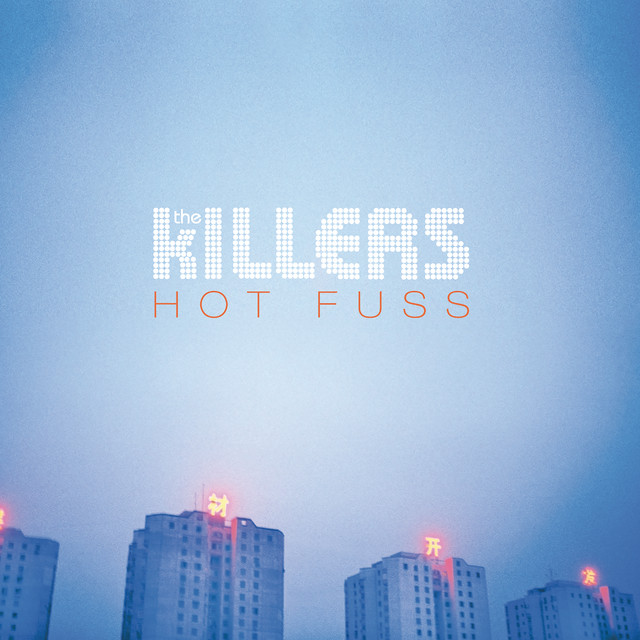
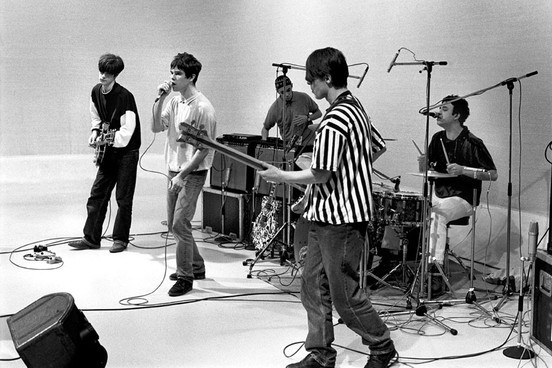
In the late 1980s and early 1990s, the approach fed directly into alternative dance and the UK Madchester scene (e.g., The Stone Roses, Happy Mondays), and it informed big beat’s rock-forward energy later in the decade. The 2000s saw a revival through post-punk revival and dance-punk waves (e.g., Franz Ferdinand, The Rapture) and mainstream-leaning indie acts (e.g., The Killers) that reinstated punchy guitars atop danceable backbeats.
Dance-rock normalized club-focused production techniques within rock, paving the way for hybrid styles such as alternative dance, indietronica, and new rave. Its emphasis on bass-forward grooves, remix culture, and synth-enhanced textures remains a template for bands aiming to engage both live venues and dance floors.