Your digging level
Description
Deep new wave is a curatorial term for the darker, more textural end of early-1980s new wave. It emphasizes moody synths, chorus-laden guitars, and sleek, disciplined rhythms over radio-friendly gloss.
Sitting between post-punk austerity and synth-pop melodicism, it favors minor-key harmonies, arpeggiated synth patterns, and baritone-to-tenor vocals that deliver themes of modern alienation, nocturnal city life, introspection, and romantic detachment. Production typically features drum machines, gated reverb, bright chorus effects, and spacious delays, yielding a cinematic, chrome-lit atmosphere that feels both melancholic and danceable.

History
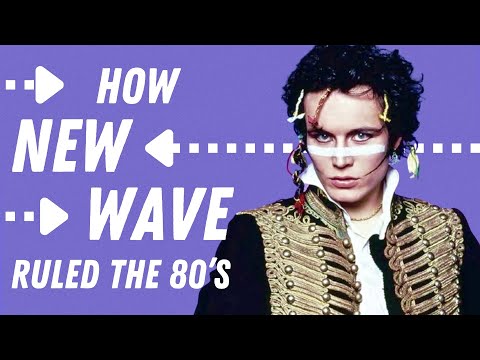
Deep new wave crystallized in the early 1980s as a deeper, moodier current within the broader new wave movement that had grown out of late-1970s punk and art-school experimentalism. UK bands in particular folded in post-punk’s cool minimalism, glam and art-rock’s theatricality, and disco/krautrock-derived rhythm discipline, but leaned into synth-forward textures and introspective songwriting.
During the first half of the decade, groups with sleek drum machines, analog polysynths, and chorus-heavy guitars established a template: propulsive yet restrained grooves, minor-key hooks, and a sense of nocturnal poise. While some peers chased chart maximalism, deep new wave cultivated atmosphere—favoring velvety pads, arpeggios, and emotionally reserved vocal delivery.
By the mid-to-late 1980s, mainstream trends shifted toward sophisti-pop and arena rock, while electronic pop became glossier. Deep new wave’s core aesthetics persisted in more cult-oriented releases, club 12-inches, and B-sides, retaining its shadowy elegance and dance-floor pulse even as scenes diversified.
Through the 1990s and 2000s, reissues and tastemaker DJs preserved the style’s reputation, feeding into post-punk revival, indie pop, and later synthwave and electropop scenes. Today, deep new wave functions as both a historical lens on lesser-known 1980s material and a contemporary reference point for artists seeking sleek, melancholic, and danceable songcraft.
Use analog or analog-modeled polysynths (e.g., Juno/Prophet-style) for pads and arpeggios, and a compact drum machine palette (Linn/808/DMX flavors) with tight gating and occasional gated reverb on snares. Pair with clean electric guitar using chorus/flange, a punchy, melodic bass (often a picked or synth bass), and spacious delays for depth.
Favor minor keys, modal mixture, and succinct, hooky melodies. Build choruses around a strong synth or guitar motif. Keep chord progressions simple (ii–V–i variants, i–VI–III–VII, or i–IV–V) but color them with suspended tones and synth voicings to sustain atmosphere.
Aim for a restrained but danceable feel (approximately 98–122 BPM). Use steady eighth-note hi-hats, tight kick patterns, and snare accents that suggest disco/motorik lineage without overcomplicating the groove. Layer subtle percussion or sequenced arpeggios to create forward motion.
Write about urban nights, technology, distance, and fragile relationships. Deliver vocals with a cool, slightly detached tone; double-track selectively and support with subtle harmonies or vocoder for texture.
Structure songs as verse–pre–chorus–chorus with a mid-song bridge or instrumental break spotlighting a synth lead. Carve space with EQ, keep low-end clean, and emphasize upper-mids for clarity. Use chorus on guitars/synths, tasteful reverb, and tempo-synced delays to achieve a glossy, cinematic sheen.