Your digging level
Description
New wave pop is a bright, hook-driven branch of new wave that married post-punk’s angular guitars and art-school attitude with glossy pop songwriting and danceable rhythm sections. It emphasizes concise choruses, memorable melodies, and sleek studio polish, often featuring synthesizers and drum machines alongside clean, chorus-laden guitars.
The sound is characterized by upbeat tempos, prominent bass lines, and a stylish, forward-looking aesthetic that was amplified by the early music video era. While rooted in rock, its harmonic palettes and textures lean toward electronic pop, making it equally at home on radio and dance floors.


History
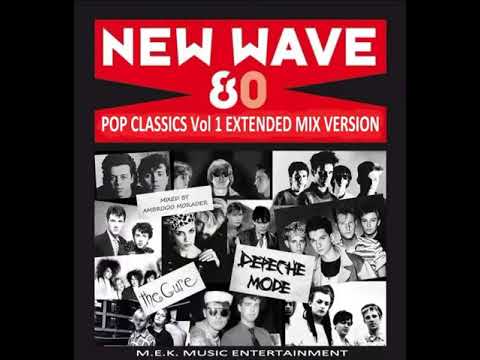
New wave pop emerged in the late 1970s in the United Kingdom as the mainstream-leaning wing of new wave. Bands distilled punk rock’s energy into tighter songcraft, adopting pop structures while incorporating art-pop concepts, clean guitar tones, and early synth textures. Power pop’s melodic focus and disco’s dance-floor momentum also fed into the sound.
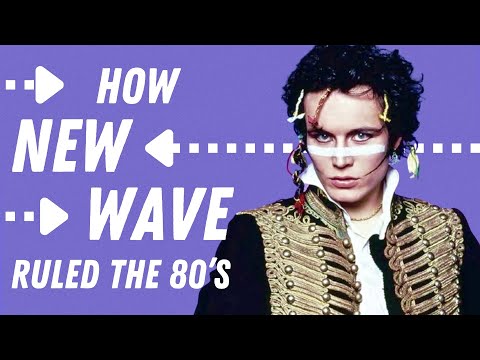
The launch of MTV in 1981 accelerated new wave pop’s rise. Groups with striking visual identities and polished productions found an international audience through high-rotation videos. Synthesizers (like the Prophet‑5 and Jupiter‑8), drum machines (LinnDrum), and gated-reverb drums became hallmark textures, while chorus effects on guitar and glossy vocal production cemented its radio appeal.
The style quickly spread beyond the UK to the US, Europe, and Oceania, blending with local scenes. In the US it intersected with dance-rock and college radio; in Europe it overlapped with the New Romantic movement and synth-forward acts.
By the late 1980s, shifts toward alternative rock and house-influenced pop reduced its chart dominance. However, its DNA—concise songwriting, synth-forward palettes, and video-conscious presentation—directly informed 1990s and 2000s pop and indie scenes.
Since the 2000s, recurring revivals—indie dance, electropop, synthwave, and neon-tinged pop punk—have refreshed new wave pop’s aesthetics for new generations, keeping its melodic sensibility and sleek production alive.
Aim for a danceable mid-to-up tempo (roughly 110–130 BPM). Use steady four-on-the-floor or tight backbeat patterns. Keep the kick and bass locked for momentum.
Write in major or modal-inflected minor keys with strong, singable choruses. Favor diatonic progressions (I–V–vi–IV, ii–V–I variants) with occasional borrowed chords for color. Craft clear vocal hooks and call-and-response lines.
Combine clean, chorus/flanger-treated electric guitars with analog-style synths (poly pads, arpeggiators, synth brass, string machines) and punchy drum machines. Use melodic bass lines (often picked or slap‑style accents) to propel the song. Layer backing vocals for lush refrains.
Structure songs with concise verse–pre‑chorus–chorus forms and a memorable middle-eight/bridge. Employ gated reverb on drums, stereo chorus on guitars/synths, and crisp, bright EQ. Keep intros short and spotlight the chorus early. Prioritize tight edits and ear-catching transitions.
Focus on modern romance, nightlife, style, and urban snapshots—witty, coolly detached, or aspirational in tone. Use vivid imagery and memorable catchphrases that suit video-friendly storytelling.





Top albums


Best playlists