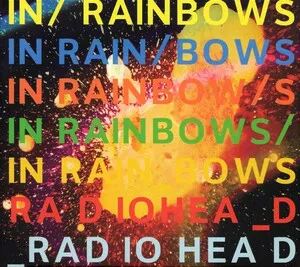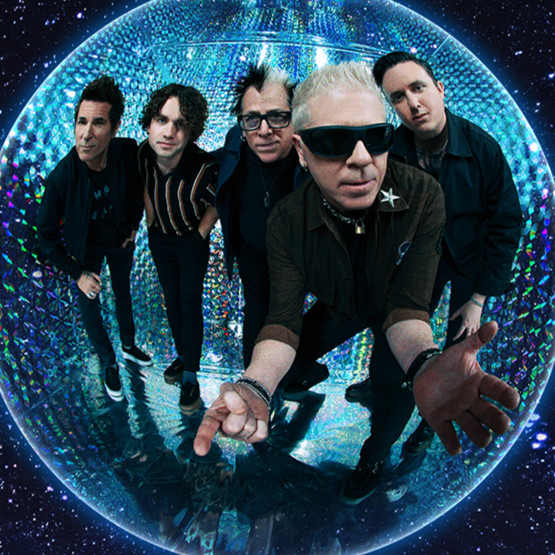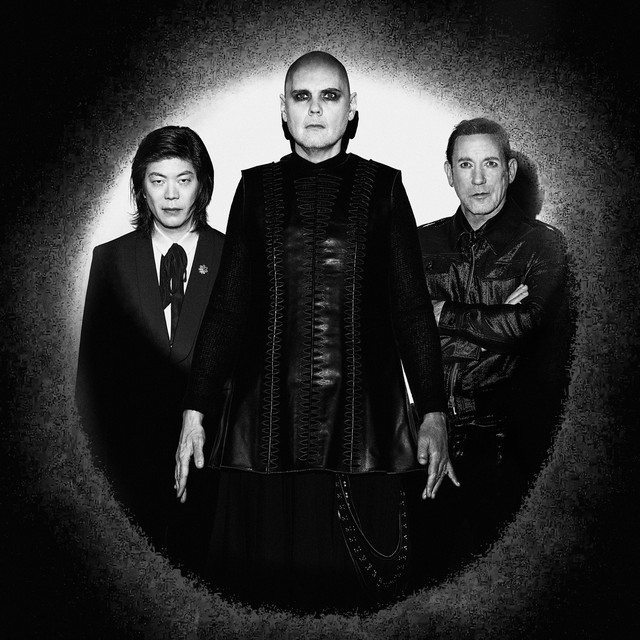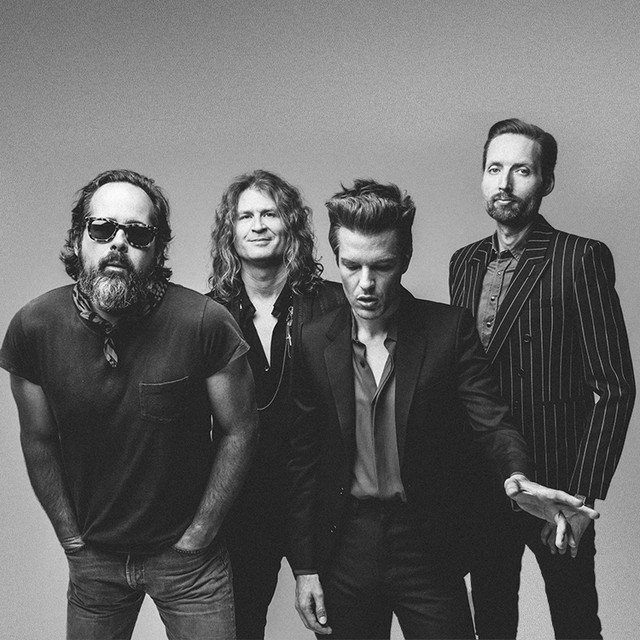
Your digging level
Description
Permanent wave is a radio-friendly strain of new wave–era rock that blends the angular guitars and nervy energy of post-punk with the big hooks, glossy production, and FM-ready choruses of mainstream and arena rock.
Characterized by clean, chorus-laden guitars, prominent analog and early digital synthesizers, tight rhythm sections, and charismatic pop-forward vocals, it sits between artful post-punk and commercial rock. Its sound became a staple of early MTV, with punchy arrangements, memorable synth hooks, and sleek studio techniques like gated reverb and precision overdubs.
While rooted in late-1970s new wave, permanent wave crystallized in the early-to-mid 1980s as a cohesive, accessible style that emphasized songwriting craft, rhythmic drive, and modernist sheen.
History
Permanent wave emerged as bands influenced by punk's immediacy and new wave's artfulness leaned into tighter songcraft and polished production. The style drew from post-punk’s rhythmic discipline and texture, new wave’s synthesizer palette, and AOR/arena rock’s hook-writing and studio gloss.
The early MTV era amplified permanent wave’s appeal: concise singles, visually distinctive artists, and bright, high-contrast productions thrived on video rotation and FM playlists. Producers adopted gated reverb on drums, chorus/delay on guitars, and stacked vocal harmonies, delivering a sleek, modern sound that traveled globally.
UK and US bands led the movement, but its sound spread widely, informing pop, rock, and dance-rock across Europe, Oceania, and the Americas. Touring, soundtrack placements, and the rise of synthesizer affordability cemented its reach.
Permanent wave’s DNA—tight grooves, synth-forward hooks, and radio-minded choruses—fed directly into dance-rock, alternative and indie rock, and later 2000s post-punk revival. Its timbral signatures (chorused guitars, driving eighth-note bass, crisp snares) continue to shape modern rock and retro-leaning pop.

Top albums