Your digging level
Description
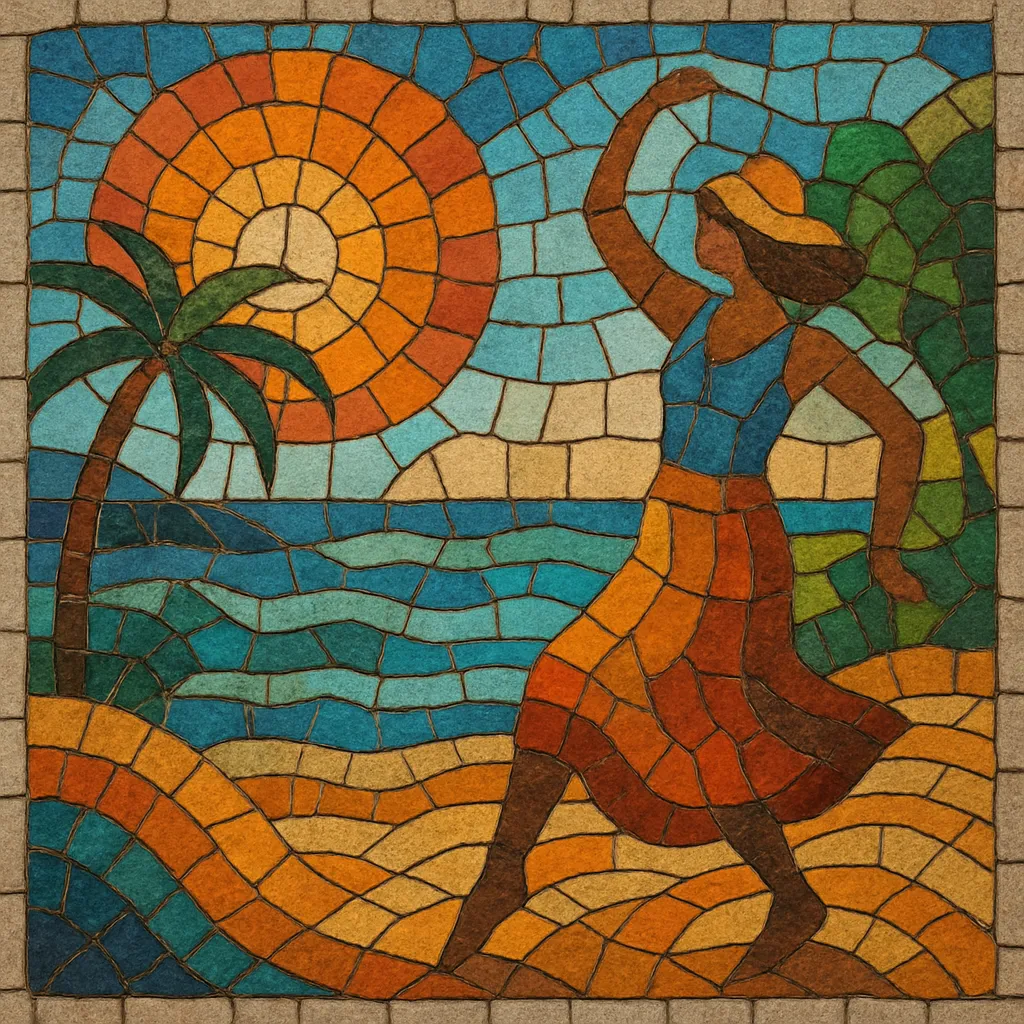
Balearic beat is a sun‑drenched, eclectic form of dance music and DJ practice that emerged from Ibiza’s open‑air clubs in the mid‑to‑late 1980s. Rather than being a tightly codified sound, it is defined by a warm, Mediterranean feel, a relaxed but insistent four‑on‑the‑floor pulse, and an anything‑goes approach to selection that blends house, italo‑disco, synth‑pop, new wave, Latin, funk, reggae, dub, and soft rock into a seamless, euphoric flow.
On the dancefloor it tends to sit around 100–122 BPM, leaning on congas and hand percussion, jangly or nylon‑string guitars, spacious pads and reverb, and basslines that are groovy more than aggressive. The result is a transportive vibe associated with sunset sets, terraces, and outdoor nights—music chosen for feeling and context as much as for genre.


History
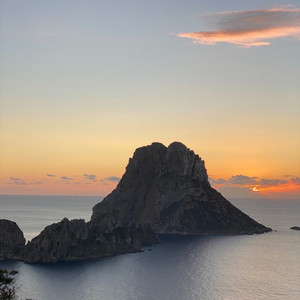
Balearic beat took shape in Ibiza, Spain, where resident DJs like Alfredo Fiorito (DJ Alfredo) at Amnesia and DJ Pippi cultivated an eclectic, mood‑driven approach. On any given night they freely mixed early house and italo‑disco with synth‑pop, new wave, Latin, funk, reggae, and gentle rock, prioritizing atmosphere, groove, and the arc of the night rather than strict genre boundaries. Open‑air venues such as Amnesia, Ku (later Privilege), Pacha, and the sunset bar Café del Mar provided the backdrop and the ritual context for this sound.
In 1987, visiting UK DJs—including Paul Oakenfold, Danny Rampling, Nicky Holloway, and Trevor Fung—experienced Ibiza’s terraces and brought the Balearic ethos back to London. Their clubs (Shoom, Spectrum, The Trip) helped catalyze the UK’s acid house explosion while popularizing the term Balearic beat. Compilations labeled Balearic in 1988–1989 circulated the concept widely: dance music could be euphoric, eclectic, and context‑sensitive, with sunset chill melding into nighttime propulsion.
Through the 1990s, the style bifurcated into Balearic house on the floor and the associated “chill‑out” sound spearheaded by José Padilla’s Café del Mar compilations. The Balearic approach influenced ambient house, downtempo, lounge, and strands of progressive and trance that embraced melody, warmth, and long‑form blends. Today, Balearic remains a curatorial attitude as much as a genre: selectors worldwide keep the terrace spirit alive, combining gentle tempos, organic percussion, and melodic optimism for sunset sessions and intimate dancefloors.