Your digging level
Description
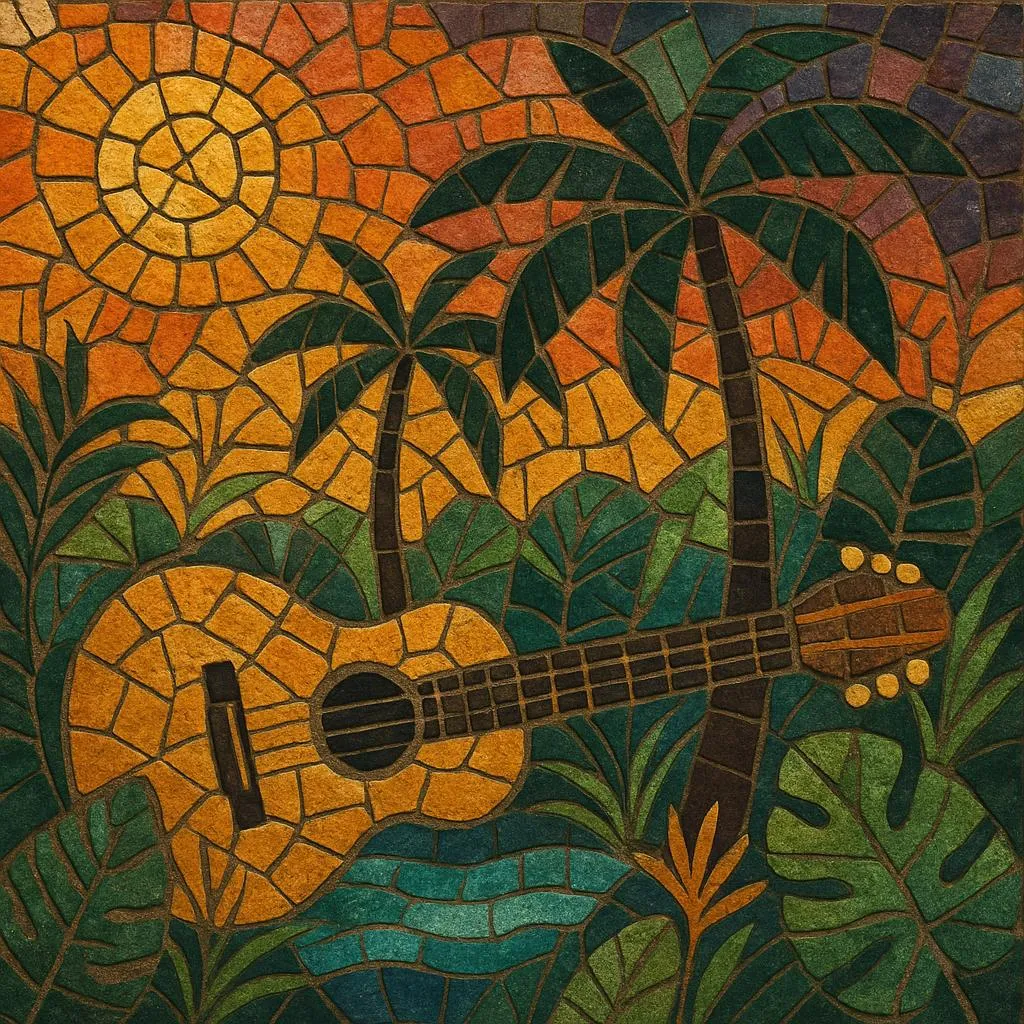
Deep tropical house is a mellow, low-end–rich offshoot of tropical house that blends the genre’s sunlit, beachy timbres (steel or mallet-like plucks, airy flutes, nylon-guitar or marimba motifs) with the smooth, subterranean warmth of deep house.
Typically sitting around 100–115 BPM, it favors a steady four-on-the-floor kick, soft off-beat hats, hand percussion (shakers, congas), and a sidechained, rounded sub or sine/saw bass. Pads and keys are lush but restrained, with long reverbs and delays creating a humid, enveloping space. Vocals tend to be intimate and breathy, often centering nostalgic, romantic, or feel-good themes.
Compared with mainstream tropical house, deep tropical house is less syrupy and more nocturnal: fewer big-room pop flourishes, more low-mid warmth, deeper grooves, and a calmer, poolside-after-dark atmosphere.
History
Deep tropical house emerged as DJs and producers working in tropical house began to dial down the festival sheen and push toward deeper low end, subtler percussion, and smoother, lounge-ready textures. The sound coalesced in the mid‑2010s alongside the rise of streaming playlists and remix culture, where tropical remixes of pop and indie tracks were recast with deep-house bass weight and restrained arrangements.
As tropical house crossed over internationally, a parallel lane formed that emphasized deep-house sensibilities—rounder sub bass, lower BPMs, and duskier tonal palettes. European hubs (especially Norway, Germany, the Netherlands, Belgium, and Austria) and online curation channels helped codify the sound across radio edits and more extended club mixes. The style’s compatibility with topline vocalists and acoustic elements (nylon guitar, marimba, pan flutes) made it a favorite for summer compilations and sunset sets.
Producers increasingly blended deep tropical house with pop EDM songcraft, nu‑disco polish, and chillout aesthetics. The result was a flexible format, equally at home in beach bars and streaming‑first “chill” contexts. While the broader tropical wave cooled in mainstream charts, deep tropical house persisted in nightlife, resort circuits, and large editorial playlists, evolving with subtler sound design, tighter songwriting, and cross‑pollination with pop house and chill house.
The style remains a go‑to for relaxed dance environments and emotive crossover releases—recognizable by its warm sub, understated percussion, spacious reverbs, and tropical colors delivered with deep-house restraint.