Your digging level
Description
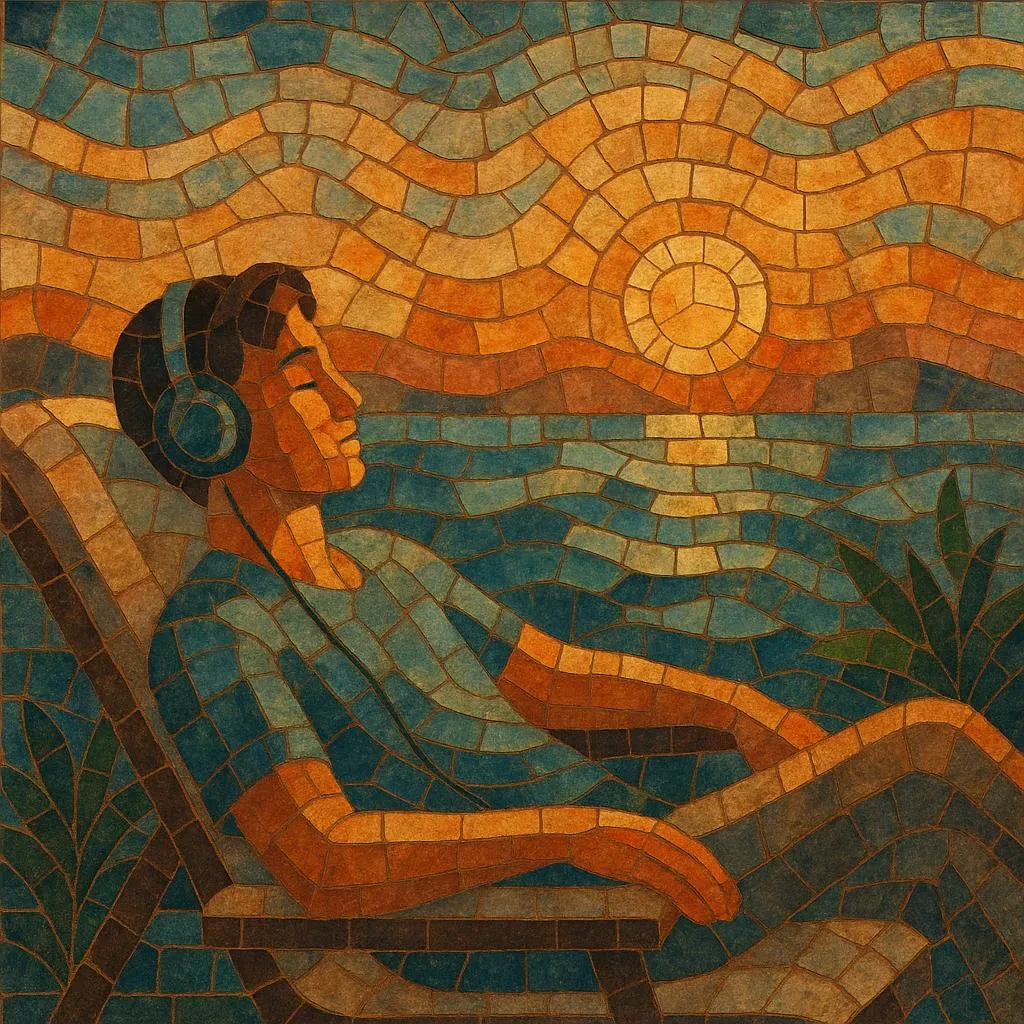
Chill house is a mellow, laid-back strain of house music designed for relaxed listening as much as for dancing.
It typically keeps a steady four-on-the-floor pulse but softens the impact with warm pads, gentle basslines, filtered chords, and spacious reverb.
Compared with peak-time or club-focused house, chill house prioritizes atmosphere, smooth groove, and “sunset” vibes, often borrowing the hazy textures of chillwave and downtempo while staying within house’s rhythmic framework.
History
Chill house emerged as online communities and streaming-era listening habits favored softer, mood-based electronic playlists. Producers began blending classic house drum programming with the washed-out synths and nostalgic textures associated with chillwave and downtempo.
During the 2010s, YouTube channels, SoundCloud, and Spotify playlists helped standardize the term “chill house” as a discovery label. The sound often overlapped with tropical house and deep house, but it leaned more toward soft dynamics, airy mixing, and relaxed tempos.
Today, chill house is widely used as a functional listening category (study, lounge, late-night driving, beach/sunset) as well as a DJ-friendly warm-up style. Modern productions may incorporate pop vocal hooks, lo-fi processing, or minimal/deep house aesthetics while retaining a calm, flowing groove.
Use a house tempo that feels unhurried, typically around 110–124 BPM.
Program a steady four-on-the-floor kick with soft transient shaping; keep claps/snares light and often on beats 2 and 4.
Add subtle swing with offbeat hats and shuffled percussion, but avoid overly aggressive drum brightness.
Choose warm, rounded kicks and short, smooth bass transients.
Layer hats with filtered noise or soft cymbals; keep high end controlled with gentle low-pass filtering or de-essing.
Use tasteful reverb on claps and percussion to create space without washing out the groove.
Write simple, emotive chord loops (often 4–8 bars) using extended harmonies such as add9, maj7, min7, or sus2/sus4.
Employ filter automation (opening/closing low-pass filters) to create movement instead of dense chord changes.
Keep voicings wide and airy; use pads, soft polysynths, or sampled electric-piano-style keys.
Use a smooth sub or rounded synth bass that follows the root motion with occasional passing tones.
Sidechain the bass to the kick for gentle pumping; keep the effect subtle for a “breathing” feel.
Avoid overly complex bass riffs—focus on consistency and warmth.
Add a short, memorable melodic motif using plucks, mallets, or softly distorted leads.
Use atmospheric layers: vinyl noise, ocean/rain ambiences, field-recording-style textures, or long reverb tails.
Consider vocal chops or lightly processed vocal phrases as ear-candy; keep them sparse and reverb-drenched.
Build gradually: intro with pads/filtered drums, then bring in full kick+bass, then add a hook.
Use breakdowns that remove the kick and highlight chords/ambience, then return smoothly.
Prefer subtle transitions (filter sweeps, risers, reverse reverb, short fills) over dramatic drops.
Aim for a warm tonal balance with controlled highs and a stable low end.
Use bus compression lightly for glue, and prioritize depth (reverb/delay) while maintaining clarity.
Keep loudness moderate to preserve dynamics and the relaxed feel.

Top albums