Your digging level
Description
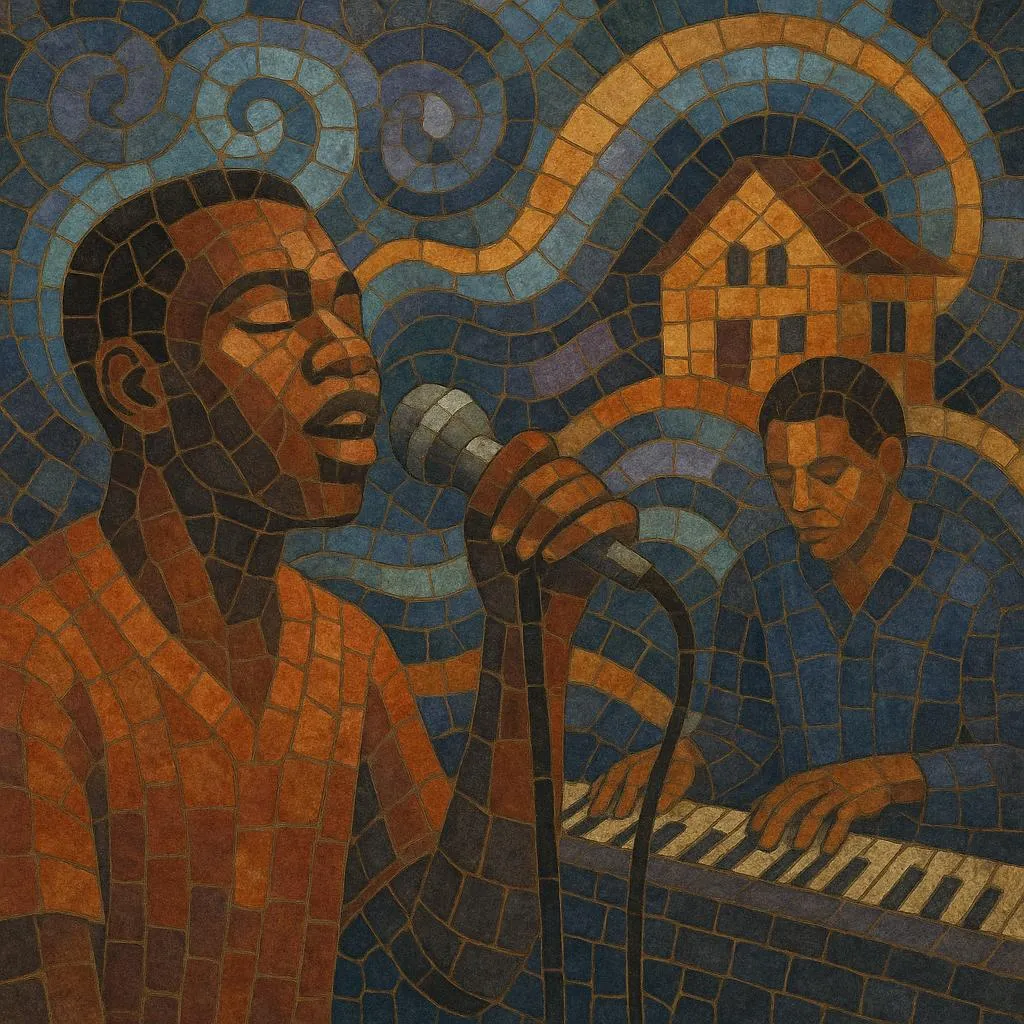
Deep soul house is a warm, vocal-centric branch of house music that blends the intimate, low‑slung grooves of deep house with the melodic richness and emotive storytelling of classic soul and gospel.
Characterized by supple 4/4 rhythms around 118–124 BPM, extended jazz-influenced chords (7ths, 9ths, 11ths), Rhodes and organ timbres, and expressive lead vocals or sampled soul phrases, the style favors subtle momentum over aggression. Production often integrates live instrumentation—bass, guitar, horns, or strings—alongside drum machines and analog synths to preserve a human, late‑night feel suited for intimate dance floors and sunrise sessions.
History
Deep soul house crystallized as DJs and producers fused the understated pulse of deep house (rooted in Chicago and the US Midwest) with the vocal-forward warmth of New York/New Jersey garage and soulful house. Independent labels and parties connected crate-digging disco and 1970s soul traditions with modern club craft, favoring live-sounding keys, supple basslines, and devotional harmonies informed by gospel.
As vinyl-focused European scenes (especially in the UK, Germany, and the Netherlands) intersected with US soulful traditions, the sound matured: boutique labels championed rich chord progressions, Rhodes and Hammond textures, and contemporary vocalists. Digital platforms widened access to vintage soul samples and session musicians, while clubs and radio shows nurtured a refined, after‑hours aesthetic distinct from peak‑time house.
Deep soul house remains a connoisseur’s lane within house: intimate, musically literate, and vocal-driven. It frequently overlaps with gospel house and deep disco aesthetics, and its influence is audible in contemporary chill/tropical/pop-house crossovers that borrow its songcraft and warmth while streamlining arrangements for broader audiences.



![Minimal Tech House (Cuoto Style) 432 Hz [Radio Edit]](https://i.scdn.co/image/ab67616d0000b273e1f36b3d8b27fe7543df00f2)