Your digging level
Description
Soulful house is a vocal- and melody-forward subgenre of house music that blends the classic four-on-the-floor groove with the warmth of soul, gospel, jazz and funk. It typically runs at a relaxed club tempo (roughly 122–127 BPM) and favors smooth, expressive lead vocals and lyric themes of love, uplift, community, and spiritual resilience.
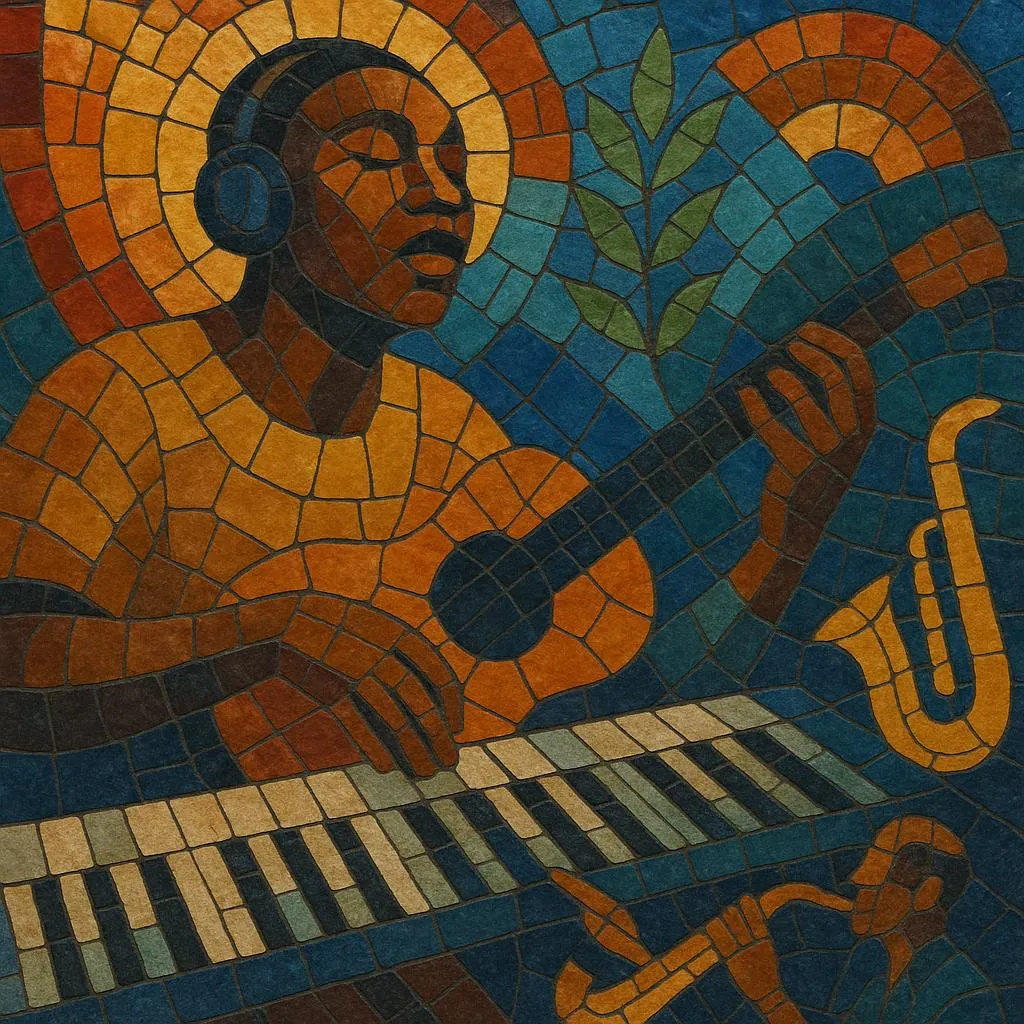
Production often features lush keyboards (Rhodes, piano, organ), warm electric or upright bass, rhythm guitar comps, and tasteful horn or sax/trumpet solos. Compared with harder club styles, the drum programming is supple and swinging, with shuffling hi‑hats and congas or hand percussion enriching the groove. The result is music that works on dancefloors yet is refined enough to appear in lounges, restaurants, boutiques, and runway contexts—at times feeling like a dance-oriented cousin of nu jazz and lounge.

History
Soulful house emerged from the overlap of Chicago house’s drum-machine pulse, New York/New Jersey garage’s gospel-inflected vocal tradition, and deep admiration for 1960s–70s soul, jazz, and funk. Early torchbearers around New York and New Jersey (Shelter parties and similar rooms) favored live-feeling musicianship—piano, organ, and real basslines—underpinned by a steady, DJ-friendly 4/4 beat.
Throughout the 1990s, producers and DJ/collectives such as Masters At Work helped codify the sound: extended mixes built for dancers, sophisticated chord progressions (7ths/9ths/11ths), and star-level vocal performances rooted in soul and gospel technique. Boutique and independent labels in the U.S. and Europe released a steady flow of 12" singles, establishing the subgenre’s canon and its reputation for craft and musicality.
As the house underground globalized, U.K. and European imprints and events amplified the style, and Japanese and Italian scenes developed distinctive takes. Digital distribution broadened access to vocalists and instrumentalists, making cross-Atlantic collaborations routine. Festivals and all‑night soulful sessions coexisted with more intimate, community‑focused residencies that kept the genre’s social and spiritual ethos central.
In the streaming era, soulful house remains a mainstay of quality house programming, boutique labels, radio shows, and Sunday‑style dance gatherings. Producers continue to marry classic instruments (Rhodes, organ, horns, strings) and rich choral backing with contemporary engineering. Parallel scenes in South Africa, Italy, and the U.K. have infused fresh ideas while honoring the genre’s roots in soul-forward songwriting and inviting, dancefloor‑tested grooves.